
Note: This original article is written for web publication in standard American English, based on publicly available design coverage and official brand information, with no source-link clutter or content-reference markers included.
Introduction: When Fabric Decides to Become a Passport
Some fabrics behave politely. They sit on a sofa, cover a pillow, do their job, and go home at five. Then there are the fabrics of Idarica Gazzoni in Milan: layered, cinematic, wildly cultured, and apparently carrying a passport full of stamps. Her world of textiles and linens is not about matching the drapes to the rug like a nervous committee meeting. It is about rooms that feel collected, traveled, painted, lived in, and just a little mischievous.
Gazzoni, the Milan-based designer and founder of Arjumand’s World, has built a recognizable universe around decorative fabrics, wallpapers, hand-painted atmospheres, and historical imagination. Her work blends Italian fresco sensibility, Mughal romance, Ottoman references, ikat rhythms, antique patterns, and a strong belief that interiors should not look as if they came shrink-wrapped from a catalog. If minimalism is a whisper, Idarica Gazzoni’s design language is a beautifully embroidered conversation at dinner.
This guide explores the fabrics, linens, inspirations, Milan setting, and decorating lessons behind Gazzoni’s work. Think of it as a design walk through Milan’s old courtyards, with linen brushing your elbow and wallpaper quietly plotting to steal the scene.
Who Is Idarica Gazzoni?
Idarica Gazzoni Frascara is an Italian decorative artist, textile designer, and interior storyteller whose work grew from a deep foundation in mural painting and trompe l’oeil. Before becoming known for fabrics and wallpapers, she developed her eye through decorative painting, including techniques such as faux bois, marbleizing, and large-scale wall treatments. That background matters because her fabrics do not feel flat. They often carry the movement, depth, and aging beauty of painted surfaces.
In 2009, Gazzoni founded Arjumand’s World in Milan, a fabric and wallpaper house named after Arjumand Banu Begum, the Mughal empress more widely remembered as Mumtaz Mahal, for whom the Taj Mahal was built. That reference tells you almost everything about the brand’s mood: romance, architecture, memory, travel, craftsmanship, and a sense of beauty that refuses to be rushed.
Her showroom and store are associated with Milan’s historic design fabric, including the old-world charm of the city’s central neighborhoods. The brand’s Milan presence gives it a special identity: cosmopolitan but intimate, artistic but usable, luxurious but not stiff. In other words, the kind of place where a linen curtain might know more about history than most dinner guests.
Why Milan Matters to the Story
Milan is not merely a backdrop for Gazzoni’s work. It is part of the texture. The city is famous for fashion, furniture, architecture, and a refined design culture that values both innovation and craftsmanship. Milan’s design identity is not loud in the way some cities are loud. It tends to reveal itself through courtyards, ateliers, old buildings, discreet showrooms, and details that reward people who slow down long enough to look.
Gazzoni’s world fits beautifully into that rhythm. Her textiles feel as if they belong in rooms with old floors, imperfect plaster, inherited furniture, stacks of books, and windows that know how to catch afternoon light. They also work in modern interiors because they bring warmth, pattern, and narrative. A contemporary white room can become instantly more human with one antique-inspired linen panel, one embroidered-looking print, or one wallcovering that suggests a journey rather than a shopping cart.
The Cinque Vie Spirit
Milan’s historic Cinque Vie area is known for galleries, ateliers, antique shops, design events, hidden courtyards, and a dense mix of art and architecture. That atmosphere echoes Gazzoni’s approach. Her textiles are not just decorative surfaces; they feel like discoveries. They invite wandering. You do not simply “select a fabric.” You encounter it, stare at it, return to it, and eventually admit that it has won.
The Fabric Language of Arjumand’s World
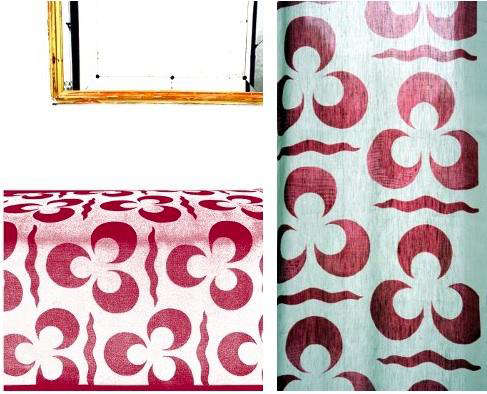
The fabrics associated with Idarica Gazzoni are known for rich prints, layered references, and an artisan sensibility. Materials have included linen, cotton, hemp, tussah silk, linen voile, and wool felt, depending on the collection and application. These are not materials chosen only because they sound elegant in a product description. They affect how the print lives in a room.
Linen gives pattern a relaxed dignity. It softens color and creates that gentle irregularity designers love because it keeps a room from looking too perfect. Hemp adds weight and rustic structure. Cotton offers versatility. Tussah silk brings a slubby, natural glow that can make a pattern feel luminous without becoming flashy. Linen voile allows light to filter through, making curtains feel airy, layered, and romantic. Wool felt gives depth and tactility, especially when a room needs softness with substance.
Pattern With Memory
Gazzoni’s patterns often feel as if they have traveled through centuries and returned with excellent stories. Influences range from Italian frescoes to Orientalist imagery, from ancient myths to Moroccan rugs, from ikat motifs to Ottoman decorative traditions. The result is not a copy-and-paste version of global design. At its best, it feels like interpretation: filtered through painting, personal memory, and Italian craftsmanship.
This matters for SEO readers searching for Milan fabrics, Italian linens, or luxury interior textiles: Gazzoni’s work is not simply about expensive cloth. It is about atmosphere. A sofa covered in a patterned linen becomes less like seating and more like a small cultural event. A wallcovering becomes less like background and more like architecture. A curtain stops being the thing you close at night and becomes the reason you leave the lamp on.
Fabrics, Linens, and the Art of Not Being Boring
Many homeowners treat fabric as the final step in decorating. They paint the walls, buy the furniture, panic slightly, and then choose a beige pillow as emotional damage control. Gazzoni’s work suggests a better strategy: start with textiles as a source of mood. Fabric can establish color, rhythm, historical reference, softness, and personality before the rest of the room starts arguing.
For example, a printed linen with an ikat-inspired motif can guide the rest of a living room. Pull one color for the walls, another for lampshades, and a third for a small upholstered chair. Add wood, old metal, books, and a rug that looks like it has survived at least one family drama. Suddenly the room feels layered rather than decorated by committee.
In a bedroom, linen voile curtains can soften the edges of the architecture. Instead of heavy blackout drama, they create a filtered-light effect that makes mornings feel less like an alarm-clock attack. Pair that with patterned cushions, a covered headboard, or a fabric panel behind the bed, and the room becomes intimate without turning into a museum of pillows.
Why Linen Works So Well
Linen remains one of the most beloved materials in interior design because it balances elegance and ease. It wrinkles, yes. But those wrinkles are not failure; they are character. Linen tells the truth. It says, “Someone lives here, and they probably make good coffee.” For designers inspired by Gazzoni’s aesthetic, linen is especially useful because it absorbs pattern beautifully while keeping the result grounded.
Printed linen can look refined in a formal drawing room, relaxed in a guest bedroom, and casually chic in a dining area. It does not shout for attention, even when the pattern is bold. That is the magic: the fiber calms the print, while the print elevates the fiber.
Wallpaper and Fabric as One Conversation
One of the strongest ideas in Gazzoni’s work is the relationship between walls and textiles. Because she came from decorative painting, it makes sense that her fabrics and wallpapers often feel connected. A wall is not just a wall. It is a stage. A curtain is not just a curtain. It is the stage movement. Upholstery, cushions, lampshades, and bed linens become supporting characters.
This is particularly useful for anyone designing a room with personality. Instead of choosing wallpaper in isolation, consider how it will speak to the fabric. A panoramic or decorative wallcovering can be paired with quieter linen upholstery. A lively printed fabric can be balanced by textured painted walls. A small-scale motif can sit beside a larger pattern when the color palette ties them together. The trick is not to match everything. Matching everything too perfectly can make a room feel like it is wearing a uniform and waiting for inspection.
Layering Without Chaos
The secret to layered interiors is control. Gazzoni-style rooms may look free-spirited, but they are not random. They rely on repeated color families, natural materials, varied scale, and visual breathing room. If the curtain pattern is large, choose a smaller print for pillows. If the wallpaper is dramatic, let the bed linen be quiet but textured. If the upholstery has a strong motif, keep the rug aged, faded, or tonal.
A useful formula is: one hero pattern, two supporting patterns, and several calm textures. The hero gets attention. The supporting patterns add richness. The textures keep everyone from starting a design opera.
How to Bring the Idarica Gazzoni Look Home
You do not need a Milan apartment, antique campaign furniture, or a dog named Secret to bring this style into your own home. Though frankly, none of those things would hurt. The essential ingredients are fabric with soul, layered references, and a willingness to let rooms evolve.
1. Choose Textiles With a Story
Look for fabrics and linens that suggest history, craft, travel, or handwork. Ikat patterns, fresco-like prints, botanical forms, and painterly geometrics can all work. Avoid anything that feels too digitally perfect or overly trendy. The goal is not “new hotel lobby.” The goal is “interesting person lives here.”
2. Mix Linen With Heavier Materials
Linen looks wonderful beside wood, leather, iron, ceramic, and antique rugs. A linen curtain next to a carved wooden chair creates contrast. A printed linen cushion on a velvet sofa adds freshness. A linen bedcover with patterned pillows can make a bedroom feel relaxed but intentional.
3. Use Pattern in Unexpected Places
Instead of limiting pattern to pillows, consider a fabric-covered screen, a lampshade, a curtain behind a bed, a table skirt, or upholstered dining chairs. Small applications can carry major personality. A single patterned lampshade can do more for a boring corner than three motivational wall quotes and a nervous fiddle-leaf fig.
4. Let Imperfection In
Gazzoni’s aesthetic celebrates rooms that feel touched by life. Slight fading, irregular texture, hand-painted effects, and antique pieces all support the look. Too much perfection kills atmosphere. If every item in a room looks brand-new and terrified of fingerprints, the room may be expensive, but it will not be charming.
Specific Room Ideas Inspired by Idarica Gazzoni
Living Room
Start with neutral walls or a soft mural-like wallpaper. Add a linen-covered sofa in a natural tone, then introduce printed cushions in two scales: one large ikat or botanical motif and one smaller geometric. Use an old wooden table, a patterned rug, and a ceramic lamp. The final result should feel collected rather than staged.
Bedroom
Use linen voile curtains to soften the light. Add a fabric headboard in a muted print or hang a textile panel behind the bed. Keep sheets simple, then layer patterned pillows and a textured throw. The mood should be romantic, but not so romantic that the room appears to be auditioning for a period drama.
Dining Room
Dining rooms are ideal for bolder textiles because guests are seated and therefore emotionally prepared. Try upholstered chairs in a patterned linen, a fabric table covering, or wallpaper with a painterly repeat. Candlelight will make the textures glow, and suddenly even takeout pasta looks curated.
Guest Room
A guest room can handle more fantasy than a primary bedroom. Use a printed curtain, a vintage rug, a small writing desk, and linens that feel soft rather than hotel-stiff. Add a few books and a lamp with a fabric shade. Guests may never leave, so plan accordingly.
Why Designers Still Love This Kind of Textile Work
In a world full of fast furniture and copycat interiors, textile houses like Arjumand’s World remind designers that rooms need narrative. Fabric has the power to make a space feel personal almost immediately. It can soften architecture, connect old and new furniture, introduce color without repainting, and create intimacy in large rooms.
Gazzoni’s work also appeals because it bridges art and function. A fabric may look painterly, but it still becomes a curtain. A wallpaper may feel like a mural, but it still shapes the room. This practical romance is exactly why her designs continue to interest decorators, collectors, and design lovers searching for Italian fabric houses, luxury linens in Milan, and artist-designed textiles.
Buying and Decorating Tips
When shopping for luxury fabrics and linens inspired by Idarica Gazzoni, always begin with the room’s natural light. A print that looks subtle in a shaded showroom can become much stronger in bright sun. Order samples whenever possible and move them around the room during the day. Morning light, afternoon light, and lamplight are three different critics, and at least one of them will be brutally honest.
Next, consider durability. Linen curtains and decorative cushions have different performance needs than dining chairs or frequently used sofas. If a fabric will be exposed to heavy use, ask about rub count, backing, cleaning, and whether the print is suitable for upholstery. Beauty matters, but so does survival. A gorgeous fabric on a family sofa should not faint every time someone brings in popcorn.
Finally, resist the urge to finish everything at once. Gazzoni-like interiors feel assembled over time. Choose one extraordinary fabric, live with it, and let the next decisions respond to it. The best rooms are not completed in a weekend. They are grown, edited, rearranged, and occasionally rescued from one overly enthusiastic cushion purchase.
Extra Experience Section: Living With Fabrics and Linens Inspired by Idarica Gazzoni in Milan
Experiencing fabrics and linens in the spirit of Idarica Gazzoni is less like shopping and more like entering a room that has decided to tell you its autobiography. The first thing you notice is texture. Not color, not price, not even pattern. Texture arrives first, like a host opening the door. A linen panel has a dry, graceful hand. A silk blend catches the light with a quiet shimmer. A heavier woven fabric brings structure, almost like architecture you can fold.
In Milan, this experience feels especially powerful because the city understands restraint. Milan does not always reveal beauty in one dramatic gesture. It often hides it behind a courtyard, inside a doorway, or up a staircase where the walls have seen more history than your entire group chat. When you see richly patterned textiles in that setting, they make sense. They are not decorative extras. They are part of the room’s memory.
One of the most useful lessons from Gazzoni’s world is that fabric changes with context. A bold print laid flat on a table may seem too strong. But hang it as a curtain, and suddenly it relaxes. Use it on a single chair, and it becomes witty. Turn it into a lampshade, and it becomes a little jewel. This is why samples matter. Fabric needs air, light, distance, and a chance to flirt with the furniture before you make a final decision.
Another experience worth noting is how linen behaves over time. Fresh linen is lovely, but lived-in linen is better. It softens, creases, settles, and becomes less formal. In a Gazzoni-inspired interior, that evolution is not a flaw. It is the point. A room should not look frozen on installation day. It should become more itself as people read there, nap there, host friends there, spill a little wine there, and pretend the wine incident was part of the patina plan.
For homeowners, the practical experience is also surprisingly forgiving. You can begin small. A pair of patterned cushions can wake up a plain sofa. A linen tablecloth can make a basic dinner feel intentional. A fabric-covered headboard can turn a bedroom from “place where laundry waits” into “place where adults with taste sleep.” Even one carefully chosen textile can shift the emotional temperature of a room.
Designers often talk about “layering,” but the real experience is more human than technical. Layering means your home has more than one mood. It means a chair can be comfortable and beautiful. It means curtains can filter light and add poetry. It means walls, linens, rugs, and objects are allowed to speak to each other instead of standing around awkwardly like strangers at a wedding.
The lasting appeal of Fabrics & Linens: Idarica Gazzoni in Milan is that it gives permission to decorate with imagination. You can combine Italian elegance with global references, old furniture with fresh linen, painterly wallpaper with humble wood, and formal rooms with relaxed textiles. The result is not a trend. It is a way of living with beauty that feels personal, layered, and wonderfully alive.
Conclusion: The Beauty of Fabric With a Soul
Idarica Gazzoni’s fabrics and linens remind us that interiors do not become memorable because every object is expensive or perfectly matched. They become memorable because they carry emotion. A linen curtain can soften a room. A printed textile can suggest travel. A wallpaper can turn a wall into a landscape. A cushion can be small and still have main-character energy.
For anyone interested in Idarica Gazzoni, Arjumand’s World, Milan fabrics, or Italian linens, the lesson is clear: choose textiles that feel alive. Let pattern bring history. Let linen bring ease. Let your rooms collect meaning over time. And when in doubt, add one beautiful fabric with a story. It is usually cheaper than moving to Milan, though admittedly less delicious at aperitivo hour.


