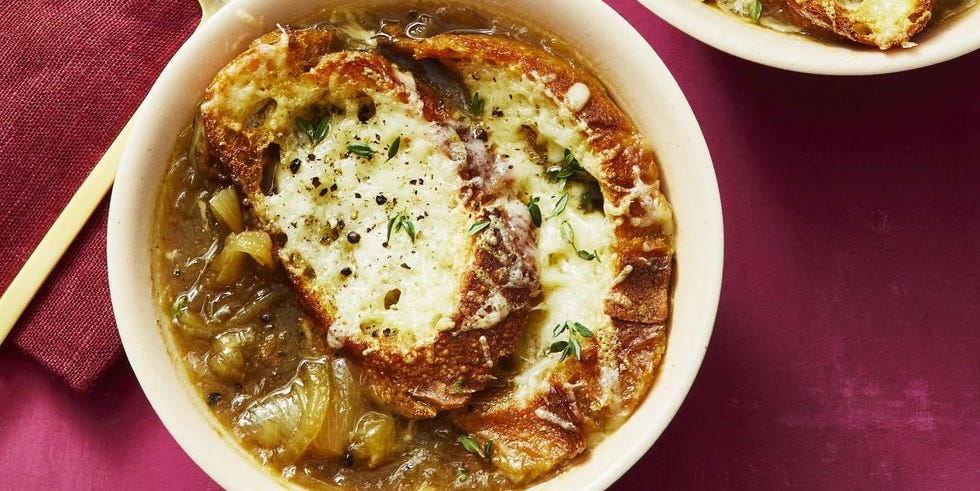

French onion soup is proof that a few humble ingredients can walk into a pot and come out wearing a velvet jacket. Onions, broth, bread, and cheese do not sound dramatic on paper. But give those onions time to caramelize, let the broth absorb every sweet-savory note, crown the bowl with toasted bread and bubbling Gruyère, and suddenly dinner feels like it has a passport stamp from a cozy Paris bistro.
This classic soup recipe is beloved because it balances comfort and elegance. It is rich without being fussy, affordable without tasting cheap, and impressive enough to serve guests without requiring a culinary degree or a dramatic French accent. The secret is patience. French onion soup does not ask for complicated ingredients; it asks you not to rush the onions. That is the whole tiny, tear-inducing bargain.
In this guide, you will learn how to make French onion soup with deeply caramelized onions, a flavorful broth, crisp bread, and a golden cheese topping. We will cover the best onions to use, how to avoid bitter flavors, which cheese melts beautifully, and how to make the soup taste restaurant-worthy at home.
What Is French Onion Soup?
French onion soup, also known as soupe à l’oignon gratinée, is a classic onion-based soup traditionally made with caramelized onions and beef stock, then finished with toasted bread and melted cheese. The word “gratinée” refers to that irresistible browned toppingbasically the part everyone tries to steal with their spoon first.
The beauty of French onion soup is its transformation. Raw onions are sharp and assertive, like they have opinions about your cutting technique. But when cooked slowly in butter or oil, they release moisture, soften, and turn golden brown. Their natural sugars deepen into a mellow sweetness that gives the soup its signature flavor.
A good bowl of French onion soup should taste savory, slightly sweet, beefy or deeply umami-rich, and pleasantly cheesy. The bread should soak up enough broth to become tender underneath while staying crisp around the edges. The cheese should melt into a golden blanket, because apparently soup can wear a sweater.
Why This French Onion Soup Recipe Works
This recipe focuses on the details that matter most: slow caramelization, quality broth, balanced seasoning, and a topping that holds up under the broiler. Many French onion soup recipes fail because the onions are rushed, the broth is bland, or the bread turns into a soggy raft of regret. Here, every step has a purpose.
Slow Caramelized Onions Build the Main Flavor
Caramelized onions are the heart of French onion soup. Cooking them low and slow allows their moisture to evaporate and their sugars to brown naturally. The goal is a deep golden-brown color, not blackened onions. Burnt onions can make the soup bitter, and bitter soup is nobody’s dream dinner.
Good Broth Makes the Soup Taste Full-Bodied
Traditional French onion soup often uses beef stock because it adds richness and depth. However, chicken broth, vegetable broth, or mushroom broth can also work well, especially if you want a lighter or vegetarian version. The key is using a broth that tastes good before it goes into the pot. If the broth tastes like hot tap water wearing a name tag, the soup will notice.
Gruyère Gives the Best Classic Finish
Gruyère is the classic cheese for French onion soup because it melts smoothly and has a nutty, slightly salty flavor. Swiss cheese, Comté, Fontina, or provolone can also work, but Gruyère gives that familiar restaurant-style finish. A mix of Gruyère and Parmesan is excellent if you want extra savory bite.
Ingredients for Classic French Onion Soup
This recipe makes about 4 hearty servings or 6 smaller appetizer portions.
Main Ingredients
- 4 large yellow onions, thinly sliced
- 3 tablespoons unsalted butter
- 1 tablespoon olive oil
- 1 teaspoon kosher salt, plus more to taste
- 1/2 teaspoon black pepper
- 1 teaspoon sugar, optional, to encourage browning
- 2 cloves garlic, minced
- 1 tablespoon all-purpose flour
- 1/2 cup dry white wine, dry sherry, or vermouth
- 6 cups beef stock or high-quality beef broth
- 1 bay leaf
- 3 to 4 fresh thyme sprigs, or 1/2 teaspoon dried thyme
- 1 teaspoon Worcestershire sauce, optional
- 1 tablespoon sherry vinegar or balsamic vinegar, optional, for balance
For the Topping
- 8 slices baguette or sturdy sourdough bread
- 1 1/2 cups shredded Gruyère cheese
- 1/4 cup grated Parmesan cheese, optional
- Fresh thyme or parsley for garnish, optional
Best Onions for French Onion Soup
Yellow onions are the best all-purpose choice for French onion soup because they have a balanced flavor: sweet enough to caramelize beautifully, but savory enough to keep the soup from tasting like dessert. Spanish onions also work well. White onions can be used, but they tend to have a sharper flavor. Sweet onions, such as Vidalia, are delicious but may make the soup noticeably sweeter, so consider mixing them with yellow onions.
The best approach is to slice the onions thinly into half-moons. Thin slices cook evenly and melt into the broth better than thick chunks. Use a sharp knife to make the job easier and reduce onion tears. If the onions still make you cry, simply tell people you are emotionally moved by soup. It sounds more poetic.
How to Make French Onion Soup Step by Step
Step 1: Slice the Onions
Cut each onion in half from root to stem, peel it, then slice thinly from top to bottom. This shape helps the onions hold a silky texture after cooking. You should have a generous mountain of onions. Do not panic. They will shrink dramatically as they cook, much like your patience during a long grocery line.
Step 2: Start the Caramelization
Place a large Dutch oven or heavy-bottomed pot over medium heat. Add the butter and olive oil. Once the butter melts, add the sliced onions and salt. Stir to coat the onions evenly. Cook for about 10 minutes, stirring occasionally, until the onions begin to soften and release moisture.
Step 3: Cook Low and Slow
Reduce the heat to medium-low. Add the sugar if using. Continue cooking the onions for 35 to 50 minutes, stirring every few minutes. Scrape the browned bits from the bottom of the pot as they form. If the onions start sticking too aggressively, add a tablespoon or two of water and stir. This helps loosen the flavorful fond without burning it.
The onions are ready when they are deeply golden brown, soft, and jammy. They should smell sweet and savory, not scorched. This is the most important step in the recipe, so resist the urge to turn the heat high and “speed things up.” That shortcut leads directly to Onion Disappointment Boulevard.
Step 4: Add Garlic and Flour
Add the minced garlic and cook for about 30 seconds, just until fragrant. Sprinkle the flour over the onions and stir well. Cook for 1 to 2 minutes. The flour helps give the broth a slightly fuller texture, but it should not make the soup thick like gravy.
Step 5: Deglaze with Wine or Sherry
Pour in the wine, dry sherry, or vermouth. Use a wooden spoon to scrape the bottom of the pot. Those browned bits are concentrated flavor, and they deserve a second chance at greatness. Simmer for 2 to 3 minutes, until the alcohol smell softens and the liquid reduces slightly.
Step 6: Simmer the Soup
Add the beef stock, bay leaf, thyme, black pepper, and Worcestershire sauce if using. Bring the soup to a gentle boil, then reduce the heat and simmer uncovered for 25 to 35 minutes. This gives the broth time to absorb the flavor of the caramelized onions and herbs.
Taste the soup before serving. Add more salt if needed. If the soup tastes too heavy or flat, stir in a small splash of sherry vinegar or balsamic vinegar. Acid brightens the flavor and keeps the richness from becoming too serious.
Step 7: Toast the Bread
While the soup simmers, arrange baguette slices on a baking sheet. Toast them under the broiler or in a 375°F oven until crisp and lightly golden. Toasting matters because untoasted bread can collapse into the soup too quickly. You want the bread to soak up broth while still supporting the cheese like a tiny edible platform.
Step 8: Broil with Cheese
Ladle the hot soup into oven-safe bowls or crocks. Place one or two toasted bread slices on top of each bowl. Sprinkle generously with Gruyère and a little Parmesan if desired. Set the bowls on a baking sheet and broil for 2 to 5 minutes, watching carefully, until the cheese is melted, bubbly, and golden brown.
Let the bowls rest for a minute before serving. The cheese will be extremely hot, and while enthusiasm is admirable, burning your mouth on molten Gruyère is not the heroic culinary moment you deserve.
Tips for the Best French Onion Soup
Use a Heavy Pot
A Dutch oven or heavy-bottomed pot distributes heat evenly and helps prevent scorching. Thin pots can create hot spots, which may burn the onions before they caramelize properly.
Do Not Crowd the Onions Too Much
Onions release a lot of water. If the pot is too small, they will steam instead of brown. Use a wide pot when possible, and give the onions room to cook down.
Season Gradually
Broths vary widely in saltiness. Add some salt early to help draw moisture from the onions, but save final seasoning until after the soup has simmered. This prevents an overly salty bowl.
Choose Bread That Can Handle Broth
Baguette is traditional, but sturdy sourdough also works beautifully. Avoid very soft sandwich bread, which tends to dissolve too quickly. French onion soup deserves bread with backbone.
Watch the Broiler Closely
Broilers can take cheese from golden to volcanic in seconds. Keep an eye on the bowls and remove them as soon as the cheese bubbles and browns.
Common Mistakes to Avoid
Rushing the Onions
The biggest mistake is cooking onions over high heat and calling them caramelized after 10 minutes. Proper caramelization takes time. The onions should become sweet, soft, and richly browned, not merely wilted.
Using Weak Broth
Because the ingredient list is simple, every ingredient matters. A bland broth makes a bland soup. If your broth tastes mild, boost it with Worcestershire sauce, a splash of soy sauce, a spoonful of beef base, or a few dried mushrooms simmered in the pot.
Skipping the Acid
French onion soup is rich, salty, sweet, and cheesy. A small splash of vinegar or dry wine helps balance those flavors. Without it, the soup can taste heavy.
Using Too Much Cheese Too Soon
Yes, cheese is wonderful. Yes, more cheese feels emotionally correct. But too much cheese can overwhelm the soup and create a greasy layer. Use enough to cover the bread generously, not enough to hide the bowl from satellite imagery.
Easy Variations
Vegetarian French Onion Soup
Use vegetable broth, mushroom broth, or a combination of both. Add a splash of soy sauce or miso for savory depth. Mushrooms are especially helpful because they bring the umami richness often associated with beef stock.
Slow Cooker French Onion Soup
For a low-effort version, cook sliced onions with butter and salt in a slow cooker until deeply softened and browned, then add broth and herbs. The flavor may be slightly different from stovetop caramelization, but it is a helpful option when you want comfort food without babysitting the pot.
French Onion Soup with Chicken Broth
Chicken broth creates a lighter soup that still tastes delicious. Use a rich homemade-style chicken broth and add a little Worcestershire sauce or Parmesan rind while simmering for more depth.
Extra-Cheesy Bistro Style
Mix Gruyère with Comté, Swiss, or Fontina. Finish with Parmesan for a salty, browned crust. This version is excellent for dinner parties or cold nights when subtlety has left the building.
What to Serve with French Onion Soup
French onion soup can be served as a starter or a main dish. Since it is rich and cheesy, it pairs well with crisp, fresh sides. A simple green salad with vinaigrette is a classic choice. Roasted vegetables, a pear and walnut salad, or a light chicken dish also work nicely.
If you are serving it as a main course, add a side of roasted potatoes, grilled asparagus, or a simple protein. For a cozy lunch, serve it with extra toasted baguette and a bright salad. For dinner, pair it with steak, roast chicken, or a vegetable tart.
How to Store and Reheat French Onion Soup
French onion soup stores very well, but it is best to store the soup separately from the bread and cheese topping. Let the soup cool, then refrigerate it in an airtight container for up to 4 days. Reheat gently on the stovetop until hot.
You can also freeze the soup without the bread and cheese for up to 3 months. Thaw it overnight in the refrigerator, then reheat and add fresh toast and cheese before serving. The topping is always best made right before eating, because crispy bread and bubbling cheese are not moments to outsource to yesterday.
Experience Notes: What Making French Onion Soup Teaches You
Making French onion soup is one of those kitchen experiences that quietly teaches patience. At first, the pot looks ridiculous. You add a towering pile of sliced onions and wonder if you have accidentally started a small onion farm. The onions are sharp, your eyes may water, and the whole process feels like a commitment. Then, slowly, everything changes. The onions soften. The smell turns sweet. The bottom of the pot develops golden bits that look minor but taste major. By the time the onions are caramelized, you understand why this soup has lasted for generations.
The first lesson is that simple recipes are not always quick recipes. French onion soup is not difficult, but it does not reward impatience. If you rush the onions, the soup tastes thin and ordinary. If you let them cook slowly, the flavor becomes deep, mellow, and layered. That is the difference between “hot onion water” and “please give me another bowl immediately.”
The second lesson is that good cooking often comes from paying attention rather than adding more ingredients. You do not need twenty spices or a luxury grocery cart. You need to notice when the onions are sticking, when the heat is too high, when the broth needs salt, and when a splash of vinegar would brighten everything. French onion soup makes you cook with your senses: sight, smell, taste, and the sound of onions gently sizzling instead of angrily frying.
Another practical experience is learning how much the topping matters. The soup itself may be excellent, but the bread and cheese create the drama. Toasted bread gives structure. Gruyère melts into stretchy, nutty richness. The broiler adds browned spots that make the bowl look like it came from a restaurant. It is a reminder that texture can turn a good dish into a memorable one.
French onion soup is also a wonderful recipe for hosting because much of it can be made ahead. You can prepare the soup earlier in the day, then reheat it and broil the cheese topping just before serving. Guests smell the onions, see the bubbling cheese, and assume you have been doing advanced culinary wizardry. In reality, you mostly stirred onions and waited. This is the kind of kitchen magic we should all support.
Finally, this soup feels personal because every cook can adjust it. Some people love sherry. Others prefer white wine. Some want beef broth; others like mushroom broth. Some enjoy a darker onion flavor, while others prefer a lighter golden sweetness. Once you understand the basic method, French onion soup becomes less of a strict recipe and more of a cozy tradition you can shape to your own taste.
Conclusion
French onion soup proves that comfort food does not need to be complicated to feel special. With slow-caramelized onions, flavorful broth, crisp bread, and melted Gruyère, this classic soup recipe turns everyday ingredients into something rich, cozy, and deeply satisfying.
The key is patience. Give the onions enough time to develop their natural sweetness, use a broth with real flavor, season carefully, and finish each bowl with toasted bread and cheese under the broiler. The result is a homemade French onion soup that tastes elegant enough for guests and comforting enough for a quiet night in.
Whether you make the traditional beef broth version, a vegetarian mushroom broth variation, or an extra-cheesy bistro-style bowl, this soup belongs in every home cook’s recipe collection. It is simple, soulful, and just fancy enough to make a regular Tuesday feel like it booked a table in Paris.


