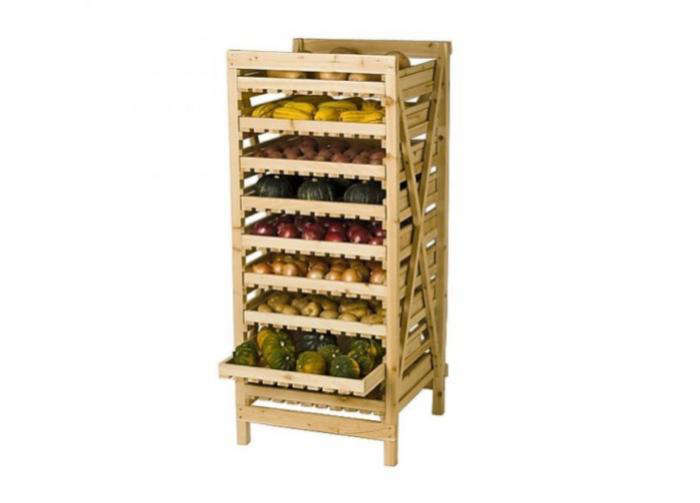

An Orchard Rack, 9 Drawer is the kind of household tool that makes you feel organized before you have actually organized anything. It stands there with its rustic wooden frame, slatted drawers, and quiet “I grew tomatoes once” confidence, promising order to apples, potatoes, onions, squash, garlic, herbs, and the occasional mystery vegetable you swore you labeled.
At its core, a 9-drawer orchard rack is a vertical harvest storage rack designed to keep produce separated, visible, and better ventilated. Instead of piling apples into a bowl until the bottom layer turns into cider’s emotional backstory, the rack lets each drawer hold a manageable amount of produce with airflow around it. That matters because many keeper crops last longer when stored in cool, dark, well-ventilated conditions rather than in sealed, humid, or overheated spaces.
This article looks at what makes the Orchard Rack, 9 Drawer useful, where it works best, what to store in it, what not to store together, and how to get the most value from a storage piece that feels part pantry, part mini root cellar, and part farmhouse furniture that quietly judges plastic grocery bags.
What Is an Orchard Rack, 9 Drawer?
An orchard rack is a wooden storage unit with multiple shallow drawers, often built with slatted bottoms or sides to support airflow. The 9-drawer version is a tall, space-saving design for homes that need more vertical storage without turning the basement, pantry, garage, or mudroom into a produce obstacle course.
The classic 9-drawer orchard rack style is inspired by old-fashioned harvest storage. Before refrigerators became the default answer to every food question, households stored “keeper crops” such as apples, winter squash, onions, and potatoes in cellars, sheds, pantries, and cool rooms. The logic was simple: give produce the right environment, keep air moving, check it regularly, and remove anything that starts to spoil. It was low-tech, sensible, and surprisingly elegantlike a spreadsheet made of wood.
Common Design Features
A typical 9-drawer orchard rack includes a tall wooden frame, removable or sliding drawers, and slatted construction. Some versions measure roughly two feet square and stand a little over four and a half feet high, making them compact enough for a pantry corner but large enough to store a serious harvest. Many are made from untreated wood, which appeals to gardeners and home cooks who prefer simple materials near fresh produce.
The removable-drawer design is especially practical. You can use all nine drawers for apples, onions, potatoes, garlic, or herbs, or remove a drawer or two to create taller compartments for pumpkins and winter squash. In other words, it adapts when your garden decides that “reasonable zucchini output” is for quitters.
Why Airflow Matters for Stored Produce
Air circulation is one of the main reasons people choose an orchard rack instead of closed bins. Produce continues to respire after harvest. It releases moisture, heat, and in some cases ethylene gas, a natural plant hormone that affects ripening. Without ventilation, trapped moisture can encourage mold, soft spots, sprouting, and rot.
Slatted drawers help reduce these problems by allowing air to move around the produce. This does not magically preserve food foreverno rack can turn a bruised apple into a winter-long championbut it does create a better environment than a sealed cardboard box forgotten in the corner.
Visibility Is Also a Big Deal
One overlooked benefit of a 9-drawer orchard rack is visibility. When produce is spread into shallow drawers, you can inspect it quickly. That makes it easier to use the oldest items first, catch soft spots early, and remove problem pieces before they affect neighboring produce.
This is particularly useful with apples and potatoes. One damaged apple can speed up trouble in the drawer, while one sprouting potato can turn a storage area into a science fair with ambition. A rack makes routine checking less annoying, and less annoying tasks actually get done.
Best Uses for an Orchard Rack, 9 Drawer
The Orchard Rack, 9 Drawer is best for produce that benefits from being separated, accessible, and ventilated. It is not a refrigerator replacement, and it is not ideal for every crop. Think of it as a flexible storage station for garden harvests, farmers market hauls, bulk pantry produce, and drying projects.
Apples
Apples are one of the classic orchard rack crops. They store best when kept cool and away from direct sunlight. For the longest life, refrigeration is often preferred, but many households use a cool cellar, garage, enclosed porch, or pantry for short- to medium-term storage. The key is to choose firm, unbruised apples and check them often.
Because apples release ethylene gas, they should not be stored right beside ethylene-sensitive vegetables. If you use the rack for apples, dedicate specific drawers to them and avoid mixing them with potatoes, leafy vegetables, or other crops that may react poorly to ethylene.
Winter Squash and Pumpkins
Winter squash and small pumpkins can work beautifully on an orchard rack, especially if you remove a drawer to create extra height. Squash generally prefers a dry, well-ventilated environment rather than damp storage. The rack keeps squash off the floor, which helps reduce moisture problems and makes it easier to spot blemishes.
Do not cram squash together like luggage in an overhead bin. Leave breathing room. If a squash develops a soft spot, use it quickly or remove it. Squash is generous, but it is not shy about announcing decay.
Onions and Garlic
Onions and garlic appreciate dry, airy storage. A slatted orchard rack can be a good fit after they have been properly cured. Keep them away from potatoes because potatoes release moisture and both crops can encourage each other’s decline when stored too closely.
For best results, use separate drawers and label them. A simple tag such as “Yellow Onions,” “Garlic,” or “Use First” can prevent kitchen confusion and reduce waste.
Potatoes
Potatoes need cool, dark storage with good air movement. The orchard rack can be useful, but only if it is placed in a dark location. Light exposure can cause potatoes to green, and green potatoes are not something to casually ignore. Use paper, cloth, or a dark room to shield potatoes from light while still allowing ventilation.
Keep potatoes away from apples and onions. Apples produce ethylene, which can encourage sprouting in potatoes, while onions and potatoes stored together tend to shorten each other’s usable life.
Herbs and Flowers for Drying
An orchard rack is also handy for drying herbs, seed heads, flower petals, and small bundles of garden material. The shallow drawers make it easy to spread herbs in thin layers. This helps them dry more evenly than a thick pile on a plate. Good airflow is still essential, so avoid overloading drawers or placing the rack in a damp room.
Where to Place a 9-Drawer Orchard Rack
Location determines how well the rack performs. The best spot is cool, dry, dark, and ventilated. Popular locations include a basement, mudroom, pantry, insulated garage, enclosed porch, root cellar, utility room, or garden shed that does not freeze or overheat.
Avoid sunny kitchens, humid laundry rooms, hot garages, or any space with major temperature swings. Produce storage is a little like a houseguest with strong opinions: it wants comfort, consistency, and no drama.
Temperature and Humidity Considerations
Different crops prefer different storage conditions. Apples generally prefer cold, humid storage. Onions and garlic prefer cool, dry air. Winter squash prefers a warmer and drier environment than apples or potatoes. This is why a 9-drawer rack is useful but not magical: it helps with separation and airflow, but you still need to group crops wisely.
If your storage area is slightly too dry for apples, they may shrivel. If it is too damp for onions, they may soften or mold. The solution is not complicated: store similar crops together, inspect weekly, and adjust based on what you see.
How to Organize the Drawers
The easiest way to organize an orchard rack is by crop type and urgency. Place produce that needs to be used first in the most visible drawers. Reserve lower drawers for heavier items like squash or potatoes. Keep delicate herbs and smaller produce near the top where they are less likely to be bruised.
A Practical Drawer Layout
Here is a simple example for a mixed household harvest:
- Drawer 1: Herbs drying on a clean towel or screen
- Drawer 2: Garlic bulbs
- Drawer 3: Yellow onions
- Drawer 4: Red onions or shallots
- Drawer 5: Apples for eating soon
- Drawer 6: Apples for later use
- Drawer 7: Potatoes covered from light
- Drawer 8: Sweet potatoes or cured roots
- Drawer 9: Squash, or remove a drawer above for taller pumpkins
This layout can change with the season. In fall, the rack may be full of apples and squash. In spring, it might hold seed potatoes, garden gloves, and dried herbs. In summer, it can become a curing station for garlic and onions. The rack earns its floor space by staying useful all year.
Cleaning and Maintenance
Because orchard racks hold fresh produce, regular cleaning matters. Before loading a new harvest, remove old leaves, dirt, skins, and stems. Wipe drawers with a dry cloth or slightly damp cloth, then let them fully dry before refilling. Avoid harsh chemical smells around produce, especially if the wood is untreated.
If a piece of produce rots in a drawer, clean that drawer immediately. Let it air out in sunlight if possible. A light sanding may help if residue gets into rough wood. The goal is simple: keep the rack clean enough for food storage but not so polished that it loses its practical farmhouse personality.
Use Liners Carefully
Some people like to line drawers with paper, cloth, or breathable mats. This can make cleanup easier, but avoid materials that trap too much moisture. Newspaper, plastic sheets, or sealed liners may reduce airflow and encourage damp spots. If you use liners, choose breathable materials and replace them when they become dirty or moist.
Buying Considerations
Before buying an Orchard Rack, 9 Drawer, measure your space. A tall rack may look compact online but still needs clearance for drawer access. Also think about weight. Potatoes, apples, and squash get heavy quickly, so place the rack on a level surface where it will not wobble.
Look for sturdy construction, smooth drawer movement, slatted ventilation, and enough drawer depth for your most common crops. Untreated wood is attractive and traditional, but it may require more careful cleaning than metal or plastic. That tradeoff is part of the charm: wood looks warm, natural, and pantry-friendly, while plastic bins look like they are waiting for tax documents.
Common Mistakes to Avoid
Storing Everything Together
The biggest mistake is treating the rack like one giant produce drawer. Apples, potatoes, onions, squash, and garlic do not all want the same conditions. Separate them by drawer and by storage needs.
Ignoring Bruised Produce
Only store sound, unbruised produce for the long term. Use damaged items first. A bruised apple belongs in pie, applesauce, or your immediate snack plannot in long-term storage with its healthier friends.
Putting the Rack in the Wrong Room
A beautiful rack in a hot kitchen may look fantastic and perform poorly. A plainer corner in a cool basement may keep produce better. Function wins. The apples do not care about your kitchen aesthetic, which is rude but true.
Experience-Based Tips for Using an Orchard Rack, 9 Drawer
After using orchard-style storage, one lesson becomes obvious: the rack works best when it becomes part of a weekly rhythm. You do not need a complicated system. Just open the drawers once a week, rotate items, remove anything questionable, and plan meals around what needs attention. This five-minute habit can save a surprising amount of food.
For apples, it helps to sort by variety and condition. Crisp, late-season apples usually store better than soft or early-season varieties. Put “eat first” apples in an upper drawer where everyone can see them. Store firmer apples lower down in a cooler area. If one apple gets soft, turn it into oatmeal topping, muffins, or sauce. The orchard rack is not just storage; it is a quiet meal-planning assistant with wooden drawers.
For potatoes, darkness is the secret. If your rack sits in a room with light, use a breathable cover over the potato drawer. A cotton cloth or paper cover can block light without sealing in moisture. Check for sprouts and remove them before they become dramatic. Also, do not wash potatoes before storage. Brush off dry soil instead. Moisture is the villain in this particular pantry movie.
For onions and garlic, curing matters. If onions go into the rack before their outer skins are dry, they may soften too soon. Let them cure in a dry, airy place first. Once cured, trim tops if desired and store them loosely. The rack’s shallow drawers are helpful because onions are not buried three layers deep. You can see what you have, which reduces the classic problem of buying onions while already owning enough onions to open a small soup company.
For squash, give each piece breathing room. Larger squash should not be stacked heavily. If needed, remove one drawer to make a taller compartment. Place the best-cured, blemish-free squash toward the back and the ones with small surface marks toward the front for early use. This is a simple “first in trouble, first in dinner” system.
Another useful habit is labeling drawers with painter’s tape or small wooden tags. Labels may sound fussy until someone puts apples above potatoes and onions beside garlic and suddenly the storage plan has become a group project with no manager. Labels keep the peace. They also help children or guests grab snacks without rearranging your harvest strategy.
The orchard rack also shines outside harvest season. In late winter, it can hold seed packets, garden twine, clean pots, gloves, and plant markers. In spring, it can become a staging area for seed potatoes or onion sets. In summer, it works as a drying station for herbs, lavender, chamomile, or calendula. In fall, it returns to its main character role: storing the harvest like a rustic little warehouse.
The best experience tip is to avoid overloading it. A 9-drawer rack offers generous storage, but airflow depends on space. Keep layers shallow. If a drawer is packed so tightly that you need a search warrant to find the bottom apples, it is too full. Store extra produce elsewhere or preserve it by freezing, dehydrating, canning, or sharing with neighbors. Nothing builds community like handing someone a bag of squash and leaving quickly.
Final Thoughts
An Orchard Rack, 9 Drawer is more than a charming wooden storage piece. It is a practical way to manage homegrown produce, farmers market finds, bulk pantry staples, and drying herbs. Its strength lies in separation, airflow, visibility, and flexibility. It helps you treat produce as living food with different storage needsnot as a decorative pile waiting for gravity and regret.
For gardeners, homesteaders, pantry organizers, and anyone who loves the look of rustic utility, a 9-drawer orchard rack can be a smart investment. Place it in the right environment, organize it thoughtfully, inspect it regularly, and it can help stretch the harvest season while making your storage area look wonderfully intentional. And honestly, anything that makes potatoes, apples, onions, and squash behave in one vertical footprint deserves applause.
SEO Tags
Note: This article is written in original American English for web publishing and is based on real product details and established produce-storage principles, with unnecessary reference markers removed for clean HTML use.


