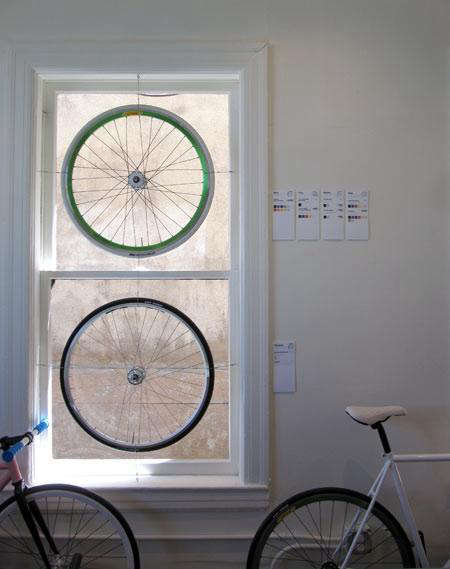

There are bike shops, and then there are bike shops that make you question whether your current bicycle has been quietly underdressed for years. Mission Bicycle in San Francisco belongs to the second category. It is not the kind of place where a bike is treated as a generic object with two wheels and a bell that says, “Please move, emotionally and physically.” It is a place built around the idea that a city bicycle can be practical, personal, beautiful, and tough enough to survive the daily ballet of potholes, fog, coffee runs, and suspiciously steep hills.
Located in the Mission District, Mission Bicycle has long been associated with custom city bikes designed for urban riding. Its official presence emphasizes bicycles that are designed by the rider and hand built by the shop, with appointments used for pickups and visits. That detail matters because this is not a typical walk-in mega-store experience. Mission Bicycle is more like a design studio for people who believe their commuter bike should fit their body, their route, and their sense of style without shouting a logo from across the street.
This shopper’s diary explores what makes Mission Bicycle special, why Valencia Street is such a natural home for a custom bike brand, what shoppers should look for when considering a Mission build, and how the store fits into San Francisco’s larger cycling culture. Consider it a love letter to thoughtful bicycle shopping, with a few practical notes for anyone who has ever looked at a bike and thought, “Yes, but could it be a little more me?”
Mission Bicycle at a Glance
Mission Bicycle is best known for custom city bicycles, especially steel-frame builds with clean lines, bold color options, and a strong San Francisco identity. The brand grew out of the Mission District’s late-2000s cycling boom, when fixed-gear and single-speed bikes were not only transportation but also a kind of street-level personal expression. In a city where hills test your lungs and bike theft tests your optimism, the appeal of a durable, customized commuter makes immediate sense.
The core idea is simple: start with a strong frame, choose components and colors, and build a bicycle that feels intentional from handlebar to hub. Mission Bicycle’s design language has traditionally leaned minimalist. The bikes often avoid loud branding, which gives the frame a clean, almost architectural feel. That blank-canvas approach is part of the charm. Instead of buying a bike that looks like it was designed by a committee trapped in a wind tunnel, shoppers can choose a build that reflects how they ride and what they love.
Mission Bicycle’s official materials describe its original bike as a light steel fixed-gear bicycle with quality components, custom paint, and no visible branding. The online ordering experience has historically allowed shoppers to customize frame color, rims, tires, hubs, handlebars, saddle, chain, gearing, and other details. That sounds fun until you realize you have opinions about rim color. Then it becomes very fun.
Why San Francisco Is the Perfect Backdrop
Mission Bicycle could exist in many cities, but it makes special sense in San Francisco. This is a city where transportation is never just transportation. A short ride can include a protected bike lane, a mural-covered alley, a steep climb that makes your thighs file a formal complaint, and a reward burrito at the end. The Mission District in particular has long been one of San Francisco’s most walkable, bikeable, visually alive neighborhoods.
Valencia Street is central to that atmosphere. It is known for cafes, bars, independent shops, clothing stores, bookstores, restaurants, and a street life that can feel like an ongoing neighborhood conversation. The Mission is also famous for murals, especially around Balmy Alley and Clarion Alley, where walls tell stories about culture, activism, history, migration, politics, and community pride. A custom bicycle parked in this environment does not feel like an accessory. It feels like part of the local grammar.
The cycling context has also been changing. Valencia Street has been at the center of major bike-lane debates and redesigns, including the move from a controversial center-running bike lane to a newer side-running protected design. For shoppers, that detail is more than transportation trivia. It signals that Valencia is not just a place where bikes are sold. It is a street where the future of urban cycling is argued, tested, repainted, and occasionally complained about with impressive local passion.
The Shopping Experience: Less Warehouse, More Workshop
Shopping for a Mission Bicycle is not the same as grabbing a mass-market commuter from a big-box retailer. The process feels closer to ordering a tailored jacket, except the jacket has brakes and may save you from waiting for a bus. The experience begins with choices: frame size, color, wheel style, tires, handlebars, saddle, gearing, and finishing details. Each decision shapes the final ride.
For a first-time custom bike buyer, this can feel both exciting and slightly dangerous. Suddenly, “black or silver?” becomes a philosophical crisis. Do you want bullhorn bars for a forward-leaning city posture, riser bars for a more upright ride, or track bars because your inner velodrome champion has been waiting patiently since breakfast? Do you want a fixed-gear setup, a freewheel option, or internal gearing for San Francisco’s hills? These are not decorative questions. They affect comfort, control, maintenance, and the way the bicycle behaves on real streets.
That is why the best part of the Mission Bicycle concept is not simply customization. It is guided customization. A good custom bike shop helps shoppers avoid building something beautiful but impractical, which is the bicycle equivalent of buying white linen pants for a muddy music festival. The smartest build is the one that matches your daily route, storage situation, weather, fitness level, and tolerance for mechanical simplicity.
Design Details That Stand Out
Mission Bicycle’s reputation has been built on a few key design ideas. First is the use of steel. Steel has a classic place in city cycling because it balances strength, ride quality, and longevity. It is not always the lightest material, but it has a lively feel and can handle rough pavement with more grace than some harsher aluminum frames. In San Francisco, where “smooth road” can sometimes mean “only three potholes per block,” that matters.
Second is the clean silhouette. Mission Bicycle has emphasized minimal branding, internal cable routing on certain models, and a polished overall look. The result is a bike that feels designed rather than assembled from leftovers in the back of a garage. In a city where people care about design but pretend they do not, that quiet confidence fits right in.
Third is color. Custom paint and component choices are the emotional center of the shopping process. A simple frame can become understated and elegant in matte black, playful in bright colors, or deeply personal through contrasting rims, bar tape, hubs, and chain. A Mission Bicycle can be subtle enough for a daily commute or colorful enough to make your locked-up bike easier to spot from half a block away, which is useful when every third bike rack looks like a metal spaghetti sculpture.
Fixed Gear, Single Speed, or Geared?
Mission Bicycle’s early identity was closely tied to fixed-gear and single-speed riding, but San Francisco is a strong argument for gears. A fixed-gear bike has a beautifully direct feel: when the bike moves, the pedals move. Riders love the simplicity, low maintenance, and connection to the road. It is elegant, efficient, and slightly unforgiving, like a very stylish gym coach.
A single-speed freewheel gives similar simplicity but allows coasting. For many urban riders, that is a friendlier option. You still get fewer parts to maintain, but you can stop pedaling when rolling downhill or approaching a light. In flat cities, that may be enough. In San Francisco, where hills appear like surprise quizzes, some riders may prefer internal gearing or a multi-speed setup.
Mission Bicycle has explored more versatile models over the years, including designs intended to handle hills and broader drivetrain options. For shoppers, the lesson is clear: do not choose a drivetrain only because it looks cool. Choose it because it fits your route. If your commute includes serious climbs, a geared bike may be the difference between arriving at work glowing and arriving at work looking like you just wrestled a fog bank.
Who Should Consider a Mission Bicycle?
A Mission Bicycle makes the most sense for riders who want a daily city bike with personality. It is not the cheapest route into cycling, and it is not trying to be. The value lies in customization, fit, durability, design, and the satisfaction of owning something built around your choices.
It is a strong option for commuters who ride often, style-conscious cyclists who dislike loud branding, and design lovers who want their bicycle to feel as considered as their furniture, shoes, or coffee setup. It may also appeal to riders who have owned entry-level bikes and now understand what they want: better components, better fit, cleaner design, and a bike that does not feel disposable.
However, it may not be ideal for everyone. If you only ride twice a year, mostly on flat park paths, a custom city bike may be more bicycle than you need. If you want a performance road bike for long weekend climbs, a cargo bike for hauling children and groceries, or an electric bike for sweat-free commuting, you may want to compare other categories. Mission Bicycle’s sweet spot is the stylish, practical, human-powered urban ride.
How to Shop Smart Before Ordering
Know Your Route
Before thinking about colors, think about terrain. Are you riding through the Mission, SoMa, the Wiggle, Golden Gate Park, or over bigger hills? Do you need gears? Will you ride in wet weather? Your route should guide your build more than your mood board.
Prioritize Fit
A beautiful bike that does not fit is just wall art with pedals. Frame size, handlebar shape, saddle choice, and riding position all affect comfort. A proper fit can make the difference between loving your commute and developing a mysterious grudge against your lower back.
Choose Components for Use, Not Just Looks
Colorful rims and chains are fun, but tires, brakes, saddle, and gearing deserve serious attention. Puncture-resistant tires may not sound glamorous, but neither does changing a flat in the fog while a bus sighs behind you.
Think About Theft Prevention
San Francisco bike ownership requires a lock strategy. A custom bike should be paired with a serious U-lock, smart parking habits, and, when possible, registration through a bike registry. Beauty is wonderful. Beauty chained badly to a signpost is a brief public exhibition.
Mission Bicycle and the Culture of Local Craft
One of the reasons Mission Bicycle remains interesting is that it represents a particular kind of San Francisco retail culture: small-scale, design-aware, locally rooted, and built around personal service. The brand exists at the intersection of manufacturing, retail, transportation, and self-expression. That combination is harder to find in an era when many purchases are reduced to scrolling, clicking, and hoping the box on the porch does not contain disappointment.
There is also a sustainability angle. A well-built commuter bike can replace short car trips, reduce transportation costs, and encourage a more intimate relationship with the city. Cycling through San Francisco changes how you understand distance. Neighborhoods feel connected by smells, slopes, murals, microclimates, and the sudden need for a pastry. You notice storefronts, sidewalk conversations, parklets, and tiny architectural details you would miss behind a windshield.
That is why a bike from Mission Bicycle is not simply a product. It is an invitation to move through the city differently. It says the commute can be part of the day, not merely the annoying bridge between coffee and responsibility.
Shopper’s Diary: Field Notes From a Mission Bicycle Day
If I were planning a perfect Mission Bicycle shopping day, I would start slowly. The Mission District rewards wandering. Arrive by BART, Muni, bike, or on foot, then let Valencia Street do what it does best: distract you with coffee, storefronts, murals, dogs with better haircuts than most adults, and enough restaurant smells to make lunch decisions emotionally complicated.
The first impression of shopping for a custom bicycle is that the bike becomes more personal the longer you look at it. At first, you think about the obvious things: color, size, price, maybe whether you want a bike that looks fast even when you are not. Then the practical questions arrive. Where will I store it? Do I need to carry it upstairs? Will I ride at night? Am I truly a fixed-gear person, or do I simply admire fixed-gear people from a safe distance? These questions make the experience better because they turn shopping into self-knowledge with handlebars.
In a neighborhood like the Mission, the bicycle also feels connected to place. You can imagine rolling past murals near Clarion Alley, locking up near a cafe, cruising toward Dolores Park, or taking the bike north toward Market Street. The city becomes part of the buying decision. A glossy catalog can show a perfect bicycle against a white background, but Valencia Street shows the real test: traffic, curb cuts, parklets, delivery trucks, other riders, pedestrians, and the glorious unpredictability of city life.
The most enjoyable part of the Mission Bicycle idea is the permission to care about details. Many people treat commuting gear as purely functional, as if enjoying the look of your bicycle is somehow unserious. That is nonsense wearing a helmet. A bike can be useful and beautiful. In fact, when you like the object, you are more likely to ride it, maintain it, and build routines around it. The best commuter bike is the one that keeps inviting you outside.
I would also build in time after the appointment or pickup to ride gently around the neighborhood. Not a heroic ride. Not a “let us conquer every hill before dinner” ride. Just a simple loop to feel the brakes, test the saddle height, hear the chain, and notice how the frame responds when the pavement changes. That first ride tells you whether the bike feels like a tool, a toy, or something better: a daily companion.
Finally, I would end the trip with food, because this is San Francisco and pretending otherwise is poor planning. The Mission is one of the best neighborhoods in the city for turning an errand into an afternoon. Pick up a coffee, grab a taco or pastry, sit somewhere sunny if Karl the Fog is off duty, and admire the bike like a person who has made a very reasonable adult decision. If someone asks about it, try to be humble. You will fail, but try.
Final Thoughts
Mission Bicycle in San Francisco is more than a custom bike shop. It is a reminder that transportation can be personal, local, and beautifully designed. Its bikes reflect the spirit of the Mission District: colorful, practical, independent, and not especially interested in being bland. For shoppers who want a city bicycle that fits their body, their route, and their taste, the Mission Bicycle experience offers something far richer than a standard retail purchase.
The smartest way to approach it is with curiosity and honesty. Know how you ride. Respect the hills. Choose components that serve your real life. Then enjoy the fun part: color, finish, personality, and the small thrill of owning a bicycle that feels like it was made for you because, in many ways, it was.
In a world full of mass-produced sameness, a custom bicycle still feels quietly rebellious. It turns the daily commute into a design choice, the neighborhood into a showroom, and the simple act of pedaling into a small declaration of independence. Not bad for something with two wheels and a chain.
SEO Tags


