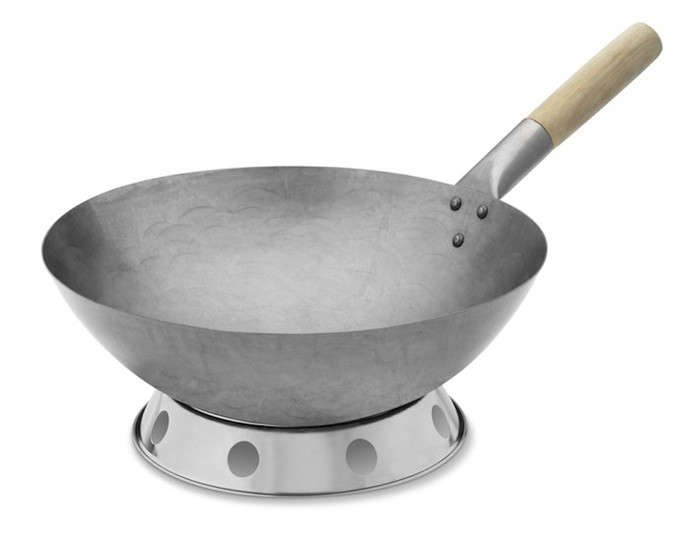

A hammered round bottom wok looks like the kind of cookware that has stories to tell. It has curves, dimples, attitude, and the quiet confidence of a pan that can turn a handful of vegetables, garlic, ginger, and soy sauce into dinner faster than your delivery app can ask for a tip. But beyond its good looks, this traditional wok design has a real purpose. It is built for speed, heat, movement, and the kind of cooking that makes food taste lively instead of tired.
If you are shopping for a hammered round bottom wok, you are probably not looking for another ordinary pan. You want a wok that heats quickly, tosses food beautifully, develops a natural patina, and makes stir-frying feel less like a kitchen chore and more like a tiny culinary performance. This guide explains what makes a hammered round bottom wok special, how to choose one, how to season it, how to use it properly, and what to expect after weeks, months, and years of cooking with it.
What Is a Hammered Round Bottom Wok?
A hammered round bottom wok is a bowl-shaped cooking pan, usually made from carbon steel, with a curved base and a textured surface created by hammering. Traditional versions are hand-hammered, while many modern models use machine-assisted hammering to achieve a similar look and feel. The round bottom is designed to sit over a concentrated heat source, especially a gas flame, wok burner, or outdoor burner. Unlike a flat-bottom wok, it does not sit naturally on a flat electric or induction surface unless it is paired with a wok ring or a specialized setup.
The hammered texture is part beauty, part function. It gives the wok a rustic, artisanal appearance, but it may also help food rest slightly higher along the sides while stir-frying. That said, the magic of a wok does not come from the dimples alone. The real performance comes from the shape, the material, the heat, and the cook who learns how to move ingredients through different temperature zones.
Why the Round Bottom Shape Matters
The round bottom is the classic wok shape for a reason. It creates a natural hot spot at the lowest point of the pan, while the sides stay slightly cooler. This gives you multiple cooking zones in one vessel. You can sear meat in the center, push it up the side, add vegetables, then bring everything back together for a glossy finish. It is like having a tiny heat-controlled playground, except the playground smells like scallions and sesame oil.
Round bottom woks are especially effective over powerful gas burners because flames can wrap around the curved surface. This helps create fast, responsive heat, which is essential for stir-frying. When ingredients hit the wok, moisture evaporates quickly instead of pooling at the bottom. That is one of the keys to crisp-tender vegetables, browned proteins, and fried rice that tastes roasted rather than steamed.
Round Bottom vs. Flat Bottom Wok
A flat-bottom wok is often easier for modern home kitchens because it sits securely on electric, ceramic, and induction cooktops. A round bottom wok, however, is closer to the traditional design used with high-output burners. If you cook on a gas stove and have a stable wok ring, a hammered round bottom wok can be a joy. If you cook only on induction, a flat-bottom carbon steel wok is usually the more practical choice because induction requires direct magnetic contact with the cooking surface.
Why Carbon Steel Is the Favorite Material
Most serious wok cooks prefer carbon steel because it heats quickly, responds rapidly to temperature changes, is relatively lightweight, and develops a natural nonstick surface over time. Stainless steel is durable but does not season the same way. Cast iron holds heat well but can be heavy and slower to respond. Nonstick woks may be convenient, but they are not ideal for very high heat because many nonstick coatings have temperature limitations.
A good carbon steel hammered round bottom wok is not supposed to stay shiny forever. In fact, if it remains silver and spotless after months of use, something has gone terribly wrongor you have been using it as wall decor. With proper seasoning and cooking, the surface darkens into a smooth patina. That patina helps protect the wok from rust and improves food release.
What Does “Hammered” Really Mean?
The word “hammered” can mean different things depending on the manufacturer. Some woks are genuinely hand-hammered by skilled makers, and each one has small irregularities that make it unique. Others are machine-hammered, which creates a more uniform texture. Neither option is automatically good or bad. A hand-hammered wok may appeal to cooks who love traditional craftsmanship, while a machine-hammered model can still perform well if the carbon steel thickness, balance, handle design, and shape are right.
Do not buy a hammered wok only because it looks dramatic in photos. The better questions are: Is it made from carbon steel? Is the gauge thick enough to avoid warping but light enough to toss? Does the handle feel secure? Does it fit your stove? Can you clean and season it easily? A beautiful wok that wobbles dangerously on your burner is not cookware. It is a kitchen anxiety machine.
Best Uses for a Hammered Round Bottom Wok
A hammered round bottom wok is famous for stir-frying, but it is far more versatile than many people realize. Once seasoned, it can become one of the hardest-working tools in your kitchen.
Stir-Frying
Stir-frying is where this wok shines. Thin slices of beef, chicken, tofu, shrimp, peppers, onions, bok choy, snow peas, carrots, and mushrooms all cook quickly when cut evenly and kept moving. The curved sides make tossing easier, while the hot center gives ingredients the quick sear they need.
Fried Rice and Noodles
Fried rice needs high heat, day-old rice, and enough space for ingredients to move. A round bottom wok helps keep the rice in motion so it fries instead of clumping. Noodles also benefit from the wok’s shape because sauces can coat evenly while excess moisture evaporates.
Deep-Frying
The bowl shape of a wok makes it surprisingly efficient for deep-frying. You can use less oil than you might need in a straight-sided pot, and the wide top gives steam room to escape. Spring rolls, tempura-style vegetables, and crispy tofu are all excellent candidates.
Steaming
With a bamboo steamer or metal rack, a wok becomes a steaming station. Dumplings, buns, fish, eggs, and vegetables can be steamed over simmering water. A domed lid is helpful here because it traps steam while leaving enough height for food.
Braising and Simmering
A wok can also handle saucy dishes. The sloped sides make stirring easy, and the broad surface helps reduce sauces quickly. It is not only for fast cooking; it can also manage gentle simmering when needed.
How to Choose a Hammered Round Bottom Wok
The best hammered round bottom wok for most home cooks is usually 14 inches wide. This size gives enough room to cook for two to four people without becoming too heavy or awkward. Smaller woks can overcrowd quickly, while larger woks may be difficult to control on a standard home burner.
Look for the Right Thickness
A very thin wok heats quickly but may warp or develop hot spots. A very thick wok holds heat well but can become heavy and less responsive. Many quality carbon steel woks fall around 14 gauge to 16 gauge steel, which offers a useful balance of strength and maneuverability.
Check the Handle Style
Many hammered round bottom woks come with a long wooden handle and a small helper handle on the opposite side. This setup is practical for home kitchens because the long handle helps with tossing, while the helper handle makes lifting safer. Cantonese-style woks have two loop handles, which work well for professional kitchens and steaming but may be harder for beginners to toss.
Make Sure It Fits Your Stove
This is the most important buying step. A round bottom wok needs a stable heat source. On a gas stove, use a wok ring if the burner grates do not support the wok securely. On an outdoor propane burner, a round bottom wok can perform beautifully because the heat is strong and concentrated. On electric or induction cooktops, a round bottom wok is usually not the best choice unless your appliance is designed for one.
How to Season a Hammered Round Bottom Wok
Seasoning is the process of bonding a very thin layer of oil to the metal through heat. This creates a protective surface that helps prevent rust and improves food release. New carbon steel woks often come with a protective coating that must be removed before seasoning.
Step 1: Wash the New Wok
Scrub the wok with hot water and a small amount of dish soap to remove factory oil or protective residue. This is one of the few times soap is not only allowed but invited to the party. Rinse thoroughly.
Step 2: Dry It Completely
Place the wok over heat until all moisture evaporates. Carbon steel can rust quickly if left wet, so drying is not optional. It is the difference between a beautiful patina and an orange science experiment.
Step 3: Heat Until the Metal Changes Color
Over high heat, rotate the wok slowly so the bottom and sides heat evenly. The metal may turn blue, brown, or darker gray. This color change is normal and part of preparing the surface.
Step 4: Apply a Thin Layer of Oil
Use a high-smoke-point neutral oil such as canola, vegetable, peanut, or grapeseed oil. Apply only a very thin layer with a paper towel or cloth held by tongs. Too much oil becomes sticky and uneven.
Step 5: Heat Until It Smokes Lightly
Heat the oiled wok until the surface darkens. Let it cool slightly, then repeat the process several times. Some cooks also stir-fry aromatics like ginger, scallions, or onions after the initial seasoning to help remove metallic smells and begin building flavor.
How to Cook Successfully With a Round Bottom Wok
Wok cooking rewards preparation. Once the heat is on, things move quickly. Chop ingredients before you start. Mix sauces in advance. Keep proteins, vegetables, aromatics, and garnishes in separate bowls. This is not the moment to discover that your garlic is still wearing its papery jacket.
Preheat the Wok
A properly preheated wok helps prevent sticking and encourages browning. Add oil only after the wok is hot. Swirl the oil around the sides, then add aromatics or protein depending on the recipe.
Cook in Small Batches
Overcrowding is the villain of stir-fry. Too much food lowers the temperature and causes steaming. For better texture, cook protein first, remove it, cook vegetables next, then combine everything with sauce at the end.
Use the Right Tools
A wok spatula, ladle, spider strainer, bamboo steamer, and domed lid can make cooking easier. Metal utensils are generally fine on seasoned carbon steel, but avoid digging aggressively into the surface while the seasoning is still young.
Cleaning and Maintaining Your Wok
After cooking, let the wok cool slightly, then rinse it with hot water. Use a soft sponge or bamboo brush to remove food bits. For stubborn residue, simmer water in the wok for a minute or two, then scrape gently. Dry it over heat and wipe on a whisper-thin layer of oil before storing.
Avoid soaking the wok for long periods. Avoid putting it in the dishwasher. Avoid storing it wet. Carbon steel is tough, but it is not a submarine. If rust appears, scrub it away, dry the wok, and reseason the affected area. Rust is usually fixable and does not mean the wok is ruined.
Common Mistakes to Avoid
The first mistake is using a round bottom wok on the wrong stove. If it rocks, slides, or feels unstable, do not force it. The second mistake is using too much oil during seasoning. A thin layer works better than a puddle. The third mistake is cooking acidic foods for long periods in a young wok. Tomato-heavy sauces, vinegar-rich braises, or long wine reductions can weaken fresh seasoning.
Another common mistake is expecting the wok to look perfect. A seasoned wok changes color unevenly. It may look blotchy before it looks beautifully dark. That is normal. A wok is not supposed to look like a museum piece; it is supposed to look like it knows what dinner is.
Who Should Buy a Hammered Round Bottom Wok?
A hammered round bottom wok is ideal for someone who cooks on gas, enjoys stir-frying, wants traditional cookware, and does not mind basic maintenance. It is also a great choice for outdoor cooking with a strong burner. If you enjoy learning technique and building a relationship with your tools, this wok can become a favorite.
However, it may not be the best first wok for everyone. If you have an electric glass cooktop, induction range, or very small kitchen, a flat-bottom carbon steel wok may be easier. If you want a pan you can soak overnight and toss in the dishwasher, carbon steel will not be your happiest companion.
Real-World Experience: Living With a Hammered Round Bottom Wok
The first thing you notice when using a hammered round bottom wok is that it feels different from a skillet. A skillet sits there politely. A wok wants to move. It asks you to stir, toss, tilt, push, lift, and pay attention. At first, this can feel slightly chaotic, especially if you are used to cooking slowly in a flat pan. But after a few meals, the rhythm starts to make sense.
One of the most satisfying early experiences is making a basic vegetable stir-fry. You heat the wok until it begins to whisper smoke, add oil, toss in garlic and ginger, then add broccoli, bell peppers, and snap peas. The sound is immediate and dramatic. Everything sizzles. Steam rises. The vegetables brighten. You suddenly understand why recipes always say “keep the food moving.” If you pause too long, one piece browns too much while another hides on the cooler side, pretending it is not involved.
Fried rice is another lesson. The first batch may stick if the wok is not seasoned enough or the rice is too wet. That is not failure; that is tuition. Day-old rice works better because it is drier. A hot wok, enough oil, and small batches make a huge difference. Over time, the rice begins to slide more easily, and the wok develops that darker, smoother surface that cooks love to brag about in a very calm voice while secretly feeling proud.
Cooking protein teaches you heat control. Thin beef slices can brown beautifully in the center, but only if they are not overcrowded. Chicken needs enough space to sear instead of release liquid and stew. Shrimp cooks quickly, almost too quickly, so it is best to have the sauce ready before the shrimp hits the pan. Tofu benefits from patience: let it sit briefly before moving it so the surface can firm up.
The hammered sides are useful once you learn to push ingredients out of the hottest zone. You can sear aromatics in the middle, slide cooked pieces up the wall, then bring them back down when the sauce goes in. This is where the round bottom design feels clever. The wok is not just a pan; it is a temperature map.
Maintenance becomes part of the routine. After dinner, you rinse, brush, dry over heat, and wipe with a tiny amount of oil. The whole process takes only a few minutes, but it feels intentional. You are not just cleaning a pan; you are preserving tomorrow’s cooking surface. The wok slowly changes from shiny steel to bronze, brown, and eventually deep black. Every mark tells you it has been used, not abused.
The biggest adjustment is accepting imperfection. A hammered round bottom wok will not stay showroom pretty. It may discolor, smoke, stain, and look patchy while the seasoning develops. But that is part of the charm. Like denim, cast iron, or a well-loved cutting board, it gets better when used. The more meals you cook, the more comfortable it becomes in your hands. Eventually, it stops feeling like special equipment and starts feeling like the pan you reach for when dinner needs speed, flavor, and a little drama.
Conclusion
A hammered round bottom wok is more than a beautiful piece of cookware. It is a high-heat, fast-moving, flavor-building tool that rewards practice. The carbon steel body heats quickly, the round bottom creates useful cooking zones, and the hammered surface adds traditional character. It is best suited for gas stoves, wok rings, and outdoor burners, especially for cooks who enjoy stir-frying, steaming, deep-frying, and building a natural patina over time.
If you want plug-and-play convenience, a flat-bottom wok may be easier. But if you want the traditional feel of wok cooking and are willing to season, dry, and care for your pan, a hammered round bottom wok can become one of the most exciting tools in your kitchen. Treat it well, cook with confidence, and do not panic when it changes color. That darkening surface is not damage. It is dinner history.


