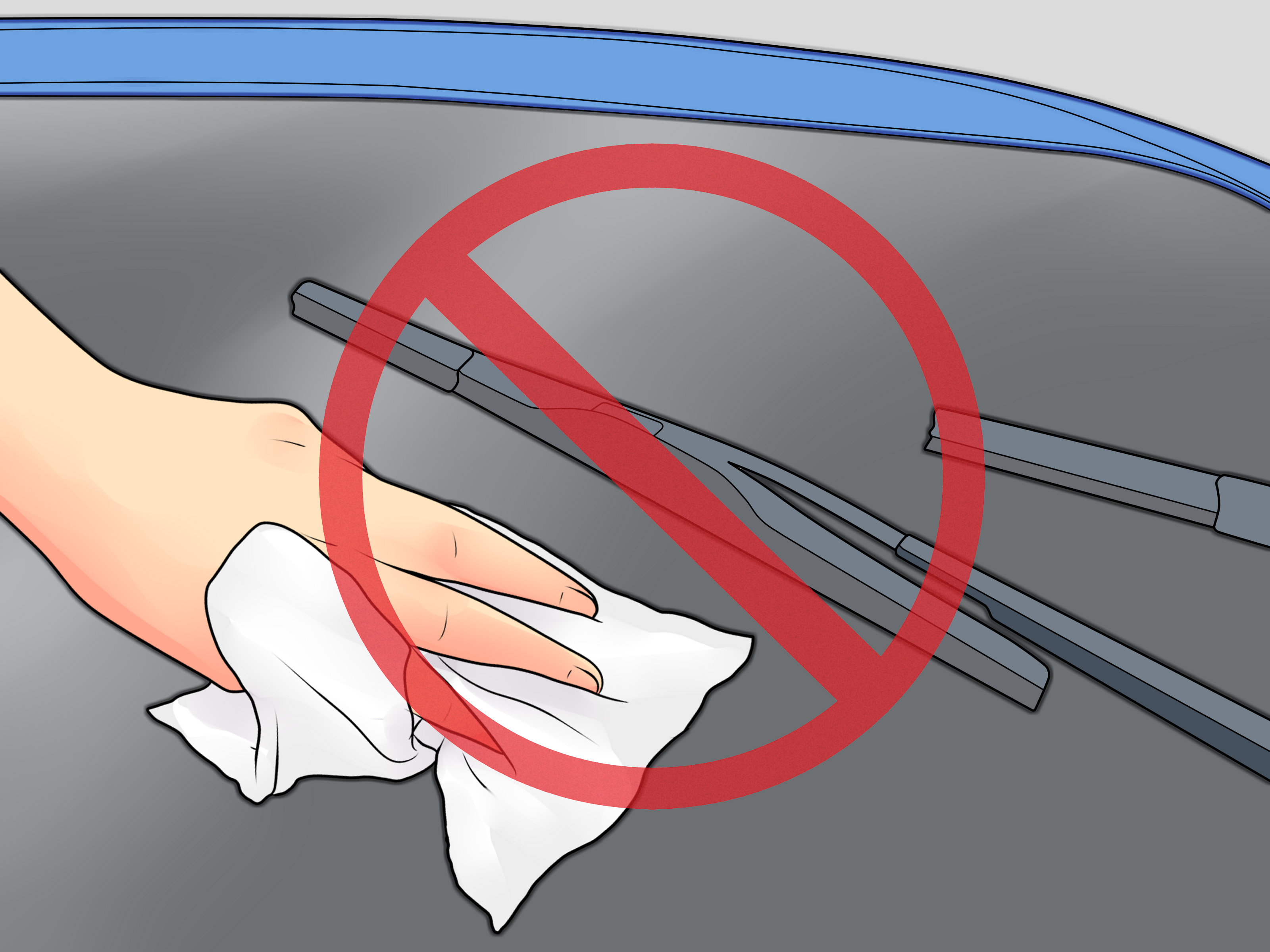

If going through a car wash makes you feel like you are about to launch a small spacecraft instead of cleaning a sedan, you are not alone. For plenty of drivers, the most stressful part of a wash is not the soap, the spinning brushes, or the giant dryer that sounds like a jet engine with opinions. It is the mystery of the process. Do you leave the car in drive? Neutral? Park? Do you keep your hands on the wheel? What if your side mirror decides to be dramatic?
The good news is that using an automatic car wash is usually simple once you know the rhythm. In fact, most of the “panic moments” happen because drivers roll in without a plan. A little prep makes the whole thing easier, safer, and much less likely to become a story you tell with embarrassment at dinner. This guide walks you through 11 easy steps to go through a car wash with confidence, plus practical tips on choosing the right wash, avoiding common mistakes, and knowing when a tunnel wash is not your best move.
Whether you are a first-timer, a nervous driver, or just someone who wants to stop white-knuckling the steering wheel while foam attacks the windshield, this guide has you covered.
Why Learning How to Go Through a Car Wash Matters
A car wash seems simple from the outside: drive in dirty, leave shiny. But the details matter. Different wash tunnels have different rules, and some vehicles need a little extra prep. If you rush in with a roof rack full of random gear, a loose trailer hitch, unfolded mirrors, or a pickup bed full of who-knows-what, the experience can go from “pleasantly productive” to “why is my floor mat in the next county?”
Knowing how to go through a car wash the right way helps you protect your vehicle, move through the line smoothly, and actually get the clean you paid for. It also helps you decide when to upgrade to extras like underbody wash, wax, or wheel cleaning, and when to skip the tunnel altogether and choose a hand wash or self-serve bay instead.
Easy Ways to Go Through a Car Wash: 11 Steps
Step 1: Check Whether Your Car Is a Good Candidate for the Wash
Before you even line up, make sure your vehicle can safely use that specific wash. This is the step many people skip, usually because optimism is faster than reading signs. Look for posted height, tire-width, and clearance limits. If you drive a lifted truck, a dually, a vehicle with aftermarket accessories, a soft-top, an oversized roof box, or anything that makes attendants squint thoughtfully, pause and ask.
This step also matters if your vehicle has fragile exterior accessories, damaged trim, loose molding, cracked mirrors, or an antenna that sticks out like it is trying to catch satellites. When in doubt, check your owner’s manual and the wash location’s posted rules. A two-minute check beats a ten-minute regret.
Step 2: Remove or Secure Anything That Can Stick Out, Flap Around, or Fly Away
Automatic washes are not fans of loose objects. Remove detachable antennas if your vehicle has one. Fold your side mirrors if your car allows it. Take off temporary accessories that can snag, including magnetic signs, bike racks, cargo carriers, and sometimes trailer hitches if the wash recommends it. If you drive a pickup, clear the bed of loose tools, cords, buckets, sports gear, and that one mystery tarp that has lived there since last summer.
Think of the tunnel as a giant moving machine that prefers clean lines and zero surprises. If an item can shift, bounce, catch, swing, or detach, it does not belong in the wash.
Step 3: Close Windows, Lock Doors, and Turn Off the Wipers
This sounds obvious, and yet every year someone discovers that a slightly cracked rear window is a terrible way to add “interior rinse cycle” to the package. Before entering, make sure all windows are fully closed, the sunroof is shut, and the doors are secure. Turn off automatic windshield wipers too. Some vehicles have rain-sensing wipers that wake up during the wash and start flailing dramatically against brushes and water.
If your car has a special “car wash mode,” use it. Some newer models bundle settings like mirror folding, wiper behavior, sensors, and locking functions into one convenient button or menu. Your goal here is simple: make your car boring to the machine.
Step 4: Pick the Right Wash Package for Your Real Needs
Not every dirty car needs the deluxe spa treatment. If your car just has light dust and everyday road film, a basic exterior wash may be enough. If it is winter or you have been driving on salted roads, an underbody wash is worth considering. If you are dealing with brake dust, a package with wheel cleaning can help. If you want a little longer-lasting shine, wax or sealant can be a useful add-on.
That said, do not let menu-board poetry hypnotize you into buying “diamond galaxy hyper shield lava gloss” just because it sounds like your car is joining a superhero team. Choose based on your driving conditions, not the most dramatic product name on the sign.
Step 5: Line Up Slowly and Follow the Attendant’s Signals
As you approach the conveyor, slow down and pay attention. Most car washes have arrows, lights, tire tracks, or attendants guiding you onto the belt. This is not the moment for freestyle interpretation. Roll forward slowly, center the vehicle carefully, and listen if a staff member tells you to keep coming, stop, or straighten the wheel.
First-timers often worry about getting onto the track correctly, but most washes are designed to guide you in. The key is to move slowly and not overcorrect. Tiny adjustments are helpful. Sudden, theatrical steering decisions are not.
Step 6: Put the Car in the Correct Gear When Instructed
This is the part that makes many drivers sweat. In a conveyor-style automatic wash, you will usually be told to put the car in neutral. In some systems, you may keep the vehicle in park while equipment moves around you. The important rule is this: follow the posted instructions for that wash.
Do not assume every tunnel works the same way. If the sign says neutral, shift to neutral. If the attendant says hands off the wheel and feet off the pedals, believe them. If you are unsure, ask before the car rolls onto the belt. That is much better than realizing halfway through that you have been gently fighting the conveyor like it personally insulted you.
Step 7: Take Your Foot Off the Brake and Your Hands Off the Steering Wheel
Once the car is engaged with the conveyor and the wash instructions tell you to coast, let the system do its job. Do not brake unless a staff member or emergency sign tells you to do so. Do not accelerate. And in most conveyor washes, do not steer. The machinery is guiding the vehicle forward.
This is one of the most common mistakes in automatic car washes. Drivers get nervous, tap the brake, or grip the wheel like they are navigating black ice on a mountain road. Resist the urge. The smoother and calmer you are, the smoother the wash will be.
Step 8: Stay Still and Let the Wash Happen
Now comes the loud, foamy, mildly apocalyptic part. Brushes may move. Jets spray. Colored soap appears from nowhere. Giant dryers later sound like your car has entered a wind tunnel designed by a leaf blower enthusiast. All of that is normal.
Stay seated, keep the car in the required setting, and wait it out. Do not open doors. Do not crack the window because you are “just checking something.” Do not fiddle with mirrors, shift gears, or try to help. Automatic washes are like airport moving walkways: they work best when users do not suddenly invent new rules.
Step 9: Watch for the Exit Signal Before You Move
Near the end of the wash, you will usually see lights, signs, or an attendant telling you when it is safe to drive off. Wait for that signal. Then shift into drive if needed and pull forward carefully. Do not stop right at the exit unless the wash directs you to. The car behind you is likely coming out too, and the tunnel is not the place for an awkward bumper-to-bumper meet-cute.
If your brakes feel slightly damp for a moment afterward, that is normal. Just drive carefully as you leave the lot.
Step 10: Do a Quick Post-Wash Check
Once you are clear of the tunnel, do a fast inspection. Check mirrors, wipe off any leftover droplets if they bother you, and make sure your car looks the way you expected. If the rear hatch, license plate area, or wheels still look rough, do not panic. Automatic washes are good at routine cleaning, but they are not miracle workers when grime has been living on your car rent-free for months.
This is also when you should reattach anything you removed, such as an antenna, and unfold the mirrors if needed. A microfiber towel in the trunk is handy for a quick touch-up around mirrors and door edges where water loves to linger.
Step 11: Finish the Job With Interior Cleanup and a Smart Wash Routine
A clean exterior on a crumb-covered interior is like wearing a tuxedo with muddy boots. If the wash offers vacuums, mat cleaners, or interior wipe-down stations, use them. Even five minutes of cleanup makes the whole vehicle feel better.
Then think beyond today. In general, washing your car on a regular schedule helps protect paint, glass, trim, and the undercarriage. If you live somewhere with road salt, coastal air, pollen, tree sap, or frequent rain, routine washes matter even more. The best car wash habit is not “whenever the vehicle becomes legally unrecognizable.” It is a simple, repeatable routine that keeps buildup from turning into damage.
Common Car Wash Mistakes to Avoid
Even seasoned drivers make avoidable mistakes. One big one is entering the wash with heavy caked-on mud, which automatic systems may not fully remove. Another is ignoring signs about vehicle fit. People also forget to turn off automatic wipers, leave mirrors extended, or keep their foot resting on the brake during conveyor movement.
Another classic mistake is choosing the wrong kind of wash for the condition of the vehicle. If your car is covered in sticky sap, thick mud, or serious grime, a pre-rinse, self-serve bay, or hand wash may be a smarter first step. Automatic washes are great for regular maintenance, not always for rescue missions.
When an Automatic Car Wash Is Worth It
An automatic wash is a great option when your car needs regular cleaning and you want speed, convenience, and predictable results. It is especially handy during winter, after pollen season, after long highway drives, or when your vehicle is dusty enough to annoy you but not filthy enough to require detailing.
It can also be a better environmental choice than driveway washing in many cases, especially at facilities that manage water use and wastewater more efficiently. And for busy drivers, convenience matters. The best cleaning routine is often the one you will actually keep.
Real-World Experiences: What Going Through a Car Wash Actually Feels Like
The first time many people go through an automatic car wash, the experience feels weirdly dramatic for such a normal errand. You pull up feeling reasonably calm, then suddenly there are signs, arrows, rails, and a friendly attendant making precise hand motions that somehow feel as serious as aircraft guidance. You think, “Surely I understand how to drive forward,” and then immediately forget how to do exactly that.
Once the front tires catch the conveyor, there is usually a small mental jolt. The car moves without your usual input, and your instincts try to convince you that you should correct something. That is the moment when experienced drivers learn to relax. The wash is loud, but it is supposed to be loud. The soap is aggressive, but it is supposed to be aggressive. The giant brushes look like they have strong opinions, but they are still just cleaning equipment.
A common first-timer experience is overthinking the gear shift. People worry about neutral as if they are defusing a bomb. In reality, the routine becomes easy after one or two visits. You line up, follow the signal, shift when instructed, and then do almost nothing. That last part is surprisingly hard for drivers who are used to constantly managing the vehicle. The trick is trusting the process instead of trying to outsmart it.
Another shared experience is realizing that the dryer section sounds much more intense than it actually is. Inside the car, it can feel as if your vehicle is being tested for interplanetary travel. Outside the car, it just looks like a normal drying system doing its job. Perspective is funny like that.
People also discover that the best car wash visits are the ones with a little preparation. Drivers who remove loose items, fold mirrors, and check instructions usually have a completely uneventful wash, which is exactly the goal. Drivers who rush in with a roof attachment, a half-open window, and a trunk full of chaos are the ones who leave muttering lessons to themselves.
Over time, going through a car wash becomes one of those small life skills that feels oddly satisfying to master. What once seemed confusing becomes automatic. You stop dreading the line. You stop gripping the wheel during the foam phase. You even start timing washes around weather, road trips, and pollen attacks like someone who has their life suspiciously together.
And perhaps that is the real charm of learning how to go through a car wash: it turns a mildly stressful errand into an easy routine. Your car looks better, the process feels simpler, and you get to leave with that brief but glorious feeling that you have absolutely nailed adulthood, at least until the next bird finds your hood.
Conclusion
Learning easy ways to go through a car wash is less about memorizing rules and more about understanding the flow. Check that your vehicle is suitable, prep it properly, follow the wash’s instructions, stay calm in the tunnel, and do a quick inspection afterward. That is really the whole game.
The 11 steps above make the process simple, safe, and far less awkward, especially if you are new to automatic washes. With a little preparation, you can get in, get clean, and get out without turning a routine wash into an accidental performance piece. And once you get comfortable, you may even enjoy it. Or at least enjoy it more than scrubbing bug splatter in your driveway on a Saturday morning.