
Note: This review is for educational purposes only and should not replace medical advice. Insulin pumps and automated insulin delivery systems require a prescription, training, and ongoing support from a qualified diabetes care team.
If diabetes management were a group project, blood sugar would be the teammate who says, “I’ll do my part,” then disappears right before the deadline. That is why automated insulin delivery systems have become such a major topic for people living with insulin-dependent diabetes. Tandem Diabetes Control-IQ technology was designed to make daily glucose management less like a full-time air-traffic-control job and more like a system that quietly helps in the background.
Control-IQ is Tandem Diabetes Care’s automated insulin delivery algorithm used with compatible Tandem insulin pumps and continuous glucose monitors. In simple terms, it looks at CGM readings, predicts where glucose may be headed, and adjusts insulin delivery to help reduce highs and lows. The newer Control-IQ+ technology expands the platform with updated features and broader use cases, but many patients and families still refer to the overall experience as “Tandem Control-IQ.”
This product review looks at how Tandem Diabetes Control-IQ works, what it does well, where it can be annoying, who may benefit most, and what real-life use can feel like after the shiny new-device excitement wears off.
What Is Tandem Diabetes Control-IQ?
Tandem Diabetes Control-IQ is an advanced hybrid closed-loop insulin delivery system. “Hybrid” is the important word here. It is smart, but it is not magic. The system can automatically adjust basal insulin and deliver correction insulin under certain conditions, but users still need to count carbohydrates, announce meals, change infusion sets, respond to alerts, and keep backup supplies ready.
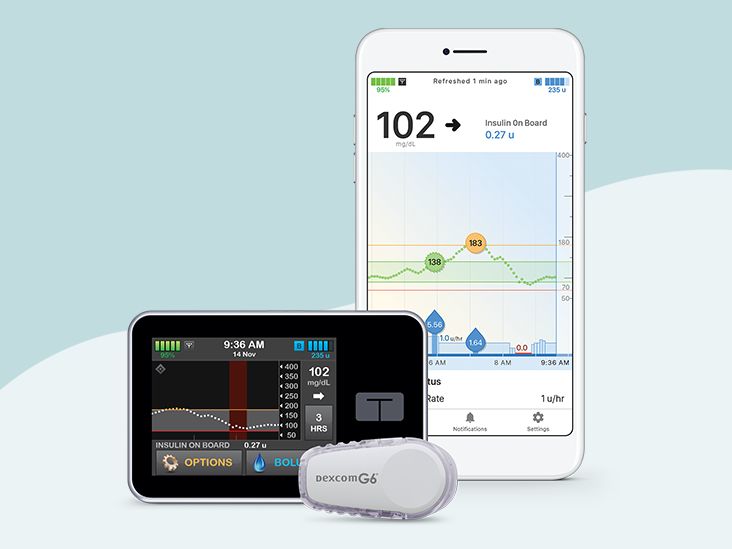
Control-IQ works through a combination of three core parts: a Tandem insulin pump, compatible CGM data, and the algorithm that makes insulin-adjustment decisions. Traditionally, this has been associated with the t:slim X2 insulin pump, a slim touchscreen pump that holds up to 300 units of insulin. Tandem’s newer Mobi pump also uses Control-IQ+ technology and is designed for a smaller, app-centered pump experience.
The Basic Idea
The system uses CGM readings to predict glucose levels about 30 minutes ahead. If glucose is predicted to drop too low, it can decrease or stop insulin delivery. If glucose is predicted to rise too high, it can increase insulin delivery and, depending on the system version and settings, provide automatic correction insulin. That is the heart of the product: less guessing, fewer manual corrections, and more time spent in a safer target range.
How Tandem Control-IQ Works
Control-IQ is not just a pump with a fancy name sticker. It is an algorithm-driven insulin delivery system that reacts to glucose trends. The CGM sends glucose data to the pump. The software evaluates where glucose is now, where it appears to be going, and how much insulin is already active. Then it adjusts insulin delivery based on those predictions.
Automatic Basal Adjustments
The most useful everyday feature is automatic basal adjustment. Instead of relying only on a fixed background insulin rate, the system can increase, decrease, or suspend basal insulin based on glucose trends. For example, if glucose is drifting downward overnight, Control-IQ may reduce insulin before a low happens. If glucose is climbing after a meal, it may increase insulin delivery to help bring levels back toward range.
Automatic Correction Boluses
Another standout feature is automatic correction insulin. When glucose is predicted to be above the system’s high threshold, Control-IQ can deliver an automatic correction bolus. This is especially helpful when real life does what real life does best: interrupts. Maybe lunch had more carbs than expected. Maybe the coffee was secretly a dessert wearing a business suit. Maybe someone simply forgot to bolus. Control-IQ cannot fully erase those moments, but it can help soften the landing.
Activity Modes
Tandem’s system includes activity settings such as Sleep and Exercise. Sleep mode aims for tighter overnight control and is one of the system’s most praised features. Exercise mode adjusts targets to help reduce the risk of lows during physical activity. These modes are not perfect, and users still need to plan around insulin on board, snacks, and workout intensity, but they give the system more context.
Design and Usability
The t:slim X2 pump is one of the more polished-looking insulin pumps on the market. It has a color touchscreen, a rechargeable battery, and a compact shape. Compared with older pumps that feel like tiny medical pagers from a time-travel museum, the t:slim X2 feels more modern.
The touchscreen interface is generally easy to understand. Menus are clear, bolus screens are straightforward, and the display makes it simple to see CGM trends. However, the touchscreen also means users must pay attention to confirmation steps. That is good for safety, but when you are trying to bolus before a meal while holding a sandwich, a backpack, and your last remaining patience, extra taps can feel like a tiny obstacle course.
Mobile App Experience
The t:connect mobile app adds convenience by displaying pump and CGM information and, for supported setups, allowing mobile bolus features. This is a major quality-of-life benefit because nobody wants to dig a pump out from under a winter coat, waistband, or mysterious pocket dimension every time insulin is needed.
That said, app reliability matters. Tandem has had safety communications and recalls related to app issues, including a past iOS t:connect mobile app battery-drain problem affecting the t:slim X2 system. The practical lesson is simple: keep software updated, read safety notifications, charge devices, and always carry backup insulin supplies.
Performance: Does Control-IQ Actually Help?
The strongest argument for Tandem Control-IQ is not the touchscreen, the branding, or the “smart pump” appeal. It is the clinical performance. In a major randomized trial, people using Control-IQ spent more time in the target glucose range of 70–180 mg/dL compared with those using sensor-augmented pump therapy without the same automation. Tandem-reported results from that landmark trial showed time in range rising from 61% to 71%, which translates to about 2.6 more hours per day in range.
That is not a small difference. Two extra hours in range every day is like finding a hidden room in your house, except the room is better sleep, fewer corrections, and fewer “why is my glucose doing interpretive dance?” moments.
Real-world studies have also supported Control-IQ’s benefits. Research has found improvements in glucose metrics, treatment satisfaction, and diabetes-related quality-of-life measures for many users. Of course, real-world outcomes vary. A person who wears the CGM consistently, changes infusion sets on schedule, and boluses for meals will usually give the system more to work with than someone who treats diabetes technology like a houseplant they remember once a week.
Best Features of Tandem Diabetes Control-IQ
1. Strong Overnight Support
Many users love Control-IQ most while they are asleep. Overnight glucose management can be stressful because lows and highs may happen while the user is not actively watching. Control-IQ’s ability to reduce insulin when glucose is predicted to fall and increase insulin when glucose is rising can make nights feel less unpredictable.
2. Helpful Correction Automation
Automatic correction boluses are one of the biggest advantages over simpler pump systems. They do not replace meal boluses, but they can help reduce the damage from imperfect carb counting or missed corrections. For people who struggle with post-meal highs, this feature can be a major reason to consider Tandem.
3. Touchscreen Interface
The interface feels familiar for people used to smartphones. It is not exactly an iPhone for insulin, but it is closer to modern consumer tech than many older medical devices. The menus are visually organized, and the CGM graph is easy to interpret at a glance.
4. Software-Based Updates
Tandem has built a reputation around software-updatable pump platforms. That matters because diabetes technology evolves quickly. A system that can receive updates may age more gracefully than a device locked in time like a frozen waffle at the back of the freezer.
5. CGM Compatibility
Tandem’s current ecosystem supports integration with major CGM options, including Dexcom systems and newer compatibility with select Abbott FreeStyle Libre sensors depending on pump version and region. Compatibility should always be confirmed with a clinician and Tandem’s official device guidance before choosing a setup.
Where Control-IQ Can Be Frustrating
It Still Requires Work
The biggest misconception about automated insulin delivery is that it means “set it and forget it.” It does not. Users still need to bolus for meals, change infusion sites, troubleshoot occlusions, charge the pump, monitor alerts, and confirm that CGM data is flowing correctly. Control-IQ reduces workload, but it does not retire the job of diabetes management.
Infusion Set Issues Still Happen
No algorithm can overcome a failed infusion site. If insulin is not getting into the body properly, glucose can rise quickly. Users still need to know how to recognize site failures, check ketones when appropriate, and use backup insulin according to their care plan.
Alarms Can Be Annoying
Alerts are necessary, but they can become tiring. Low alerts, high alerts, CGM signal alerts, pump reminders, battery notificationsthe system can sometimes feel like a very concerned robot roommate. Alert settings should be personalized with a diabetes care team to balance safety and sanity.
Learning Curve
New users may need time to understand how insulin on board, carb ratios, correction factors, basal profiles, Sleep mode, and Exercise mode affect results. The system is powerful, but it works best when settings are accurate. Poor pump settings can make even the smartest algorithm look like it skipped math class.
Who Is Tandem Control-IQ Best For?
Tandem Control-IQ may be a strong fit for people who want automated insulin delivery but still prefer a pump with a visible screen and direct controls. It may also appeal to users who value correction automation, overnight support, detailed pump data, and a modern touchscreen design.
It can be especially useful for people with type 1 diabetes who experience overnight highs or lows, teens and adults with unpredictable schedules, users who want tighter CGM integration, and families who want more data visibility. The newer Control-IQ+ platform has expanded indications, but eligibility depends on age, diabetes type, insulin needs, weight, compatible CGM, and clinician judgment.
It may not be ideal for someone who wants a completely tubeless pump, dislikes rechargeable devices, does not want to wear a CGM, or struggles with the idea of changing infusion sets. It is also not a substitute for diabetes education. The system is smart, but it still needs a trained human in the loop.
Control-IQ vs. Other Automated Insulin Delivery Systems
Compared with other automated insulin delivery systems, Tandem Control-IQ’s major strengths are its automatic correction boluses, touchscreen pump design, strong clinical evidence, and integration with popular CGM platforms. Some competing systems may offer tubeless wear, different glucose targets, or other automation styles. The best choice often depends less on which pump wins a feature checklist and more on what a person will actually wear, trust, and use every day.
For example, someone who hates tubing may prefer a tubeless system even if Tandem’s algorithm looks appealing. Someone who wants a physical pump screen may prefer t:slim X2 over a phone-first setup. Someone who wants the smallest possible Tandem pump may look at Mobi. Diabetes technology is personal. The “best” pump is the one that fits the body, habits, insurance coverage, clinical needs, and lifestyle of the person using it.
Safety Considerations
Control-IQ is a medical device system, not a wellness gadget. Users should understand the official indications, contraindications, and warnings. The system should not be used outside approved conditions, and it requires compatible insulin, compatible CGM devices, and proper training.
Users should keep backup supplies available, including rapid-acting insulin, long-acting insulin if prescribed as part of a backup plan, syringes or pens, glucose treatment, ketone testing supplies when recommended, extra infusion sets, cartridges, chargers, and CGM supplies. That may sound like packing for a tiny medical camping trip, but backup planning is part of safe pump life.
Real-Life Experience: What Using Control-IQ Can Feel Like
After the first few weeks, the Control-IQ experience often becomes less about the device itself and more about the rhythm it creates. At first, users may check the screen constantly. Is it increasing insulin? Is it reducing insulin? Why did it beep? Why is the graph shaped like a mountain goat trail? Over time, many users begin to trust the system’s patterns, especially overnight.
A common experience is waking up and noticing a smoother overnight CGM graph. That does not mean every night is perfect. Pizza, illness, stress, hormones, sports, and mystery glucose gremlins still exist. But Control-IQ can often reduce the number of dramatic overnight swings. For parents of children with diabetes, that can mean fewer late-night checks. For adults, it can mean less mental math at 2 a.m., which is helpful because no one does their best algebra while half asleep.
Meals are still the big test. A well-timed bolus usually leads to better results than relying on automation after glucose has already started climbing. Control-IQ can help with corrections, but it is not designed to fully cover every meal automatically. Users who learn their carb ratios, pre-bolus timing, and common food patterns usually get more out of the system. The pump helps, but it does not know that the “small snack” was actually nachos with a side quest.
Exercise can be another learning zone. Exercise mode is useful, but it may need to be turned on before activity, not five minutes after sprinting across a soccer field. Some users still need snacks, temporary planning, or adjustments from their diabetes care team. The system can reduce insulin, but insulin already active in the body does not vanish instantly. That is not a Tandem problem; that is biology being biology.
One underrated part of the experience is data review. Tandem reports can show patterns that are hard to notice day by day. A recurring afternoon high may point to a lunch ratio issue. Frequent early-morning lows may suggest basal or correction settings need review. The system produces useful clues, but those clues should be interpreted with professional guidance, not by panic-editing every setting at midnight.
There are also practical annoyances. Charging the pump becomes a habit. Infusion set changes must be planned. Adhesive problems can happen. Clothing choices may require pump-placement creativity. Some users love the touchscreen; others miss physical buttons. The tubing can catch on doorknobs, drawer handles, or apparently invisible forces known only to pump users. None of these issues ruins the product, but they are part of the honest review.
For many people, the biggest benefit is emotional. Control-IQ can reduce the constant feeling of chasing glucose numbers. It does not remove diabetes from daily life, but it can make diabetes feel less loud. That matters. A product that improves time in range and lowers mental burden is not just a gadget; it is a tool that can give users a little more room to think about school, work, family, hobbies, and anything besides the current direction of a CGM arrow.
Final Verdict: Is Tandem Diabetes Control-IQ Worth It?
Tandem Diabetes Control-IQ is one of the strongest automated insulin delivery systems available in the United States. Its biggest advantages are meaningful clinical evidence, automatic insulin adjustments, automatic correction capability, strong overnight performance, a modern touchscreen pump, and an ecosystem that continues to evolve.
It is not perfect. It still requires meal boluses, infusion set management, charging, software updates, CGM wear, and careful safety habits. It can beep at inconvenient times. It can be limited by insurance coverage. It can only work properly when the pump, CGM, infusion site, insulin, and settings are all doing their jobs.
Still, as a product review, Tandem Diabetes Control-IQ earns high marks because it solves a real problem: the exhausting unpredictability of insulin management. It does not promise a vacation from diabetes, but it can make the daily workload more manageable. For many users, that is a very big deal.
The best next step for anyone considering Control-IQ is to discuss it with an endocrinologist or certified diabetes care and education specialist. Bring questions about insurance, CGM compatibility, pump training, backup plans, activity settings, and realistic expectations. The technology is impressive, but the best results come when good tech meets good training.
SEO Tags