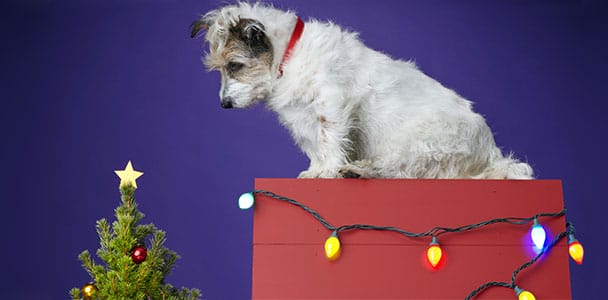

The holidays have a special way of turning a normal home into a glittery obstacle course. One day your living room is peaceful; the next, there is a tree in the corner, cookies on every flat surface, relatives ringing the doorbell, candles glowing, ribbons dangling, and your dog looking at all of it like a professional quality-control inspector with no training and too much confidence.
That is exactly why learning how to dog proof your home for the holidays matters. The season is joyful, but it also introduces new smells, sounds, foods, decorations, and routines that can confuse or tempt even the best-behaved dog. A dog that ignores your shoes all year may suddenly decide that a cinnamon-scented pinecone is a gourmet appetizer. A calm senior dog may become stressed when guests arrive. A puppy may see the Christmas tree and think, “Finally, an indoor forest.”
The good news is that holiday dog safety is mostly about planning ahead. You do not need to cancel the decorations, serve bland food, or wrap your home in bubble wrap. You simply need to arrange the season so your dog can enjoy it safely while you enjoy fewer emergency vet visits, fewer broken ornaments, and fewer mysterious chewing sounds coming from behind the sofa.
Start With a Dog’s-Eye View of Your Holiday Home
Before you decorate, crouch down and look around from your dog’s height. Yes, it may feel silly. Yes, your neighbor might see you through the window. But this simple step reveals hazards that adults often miss: low ornaments, dangling cords, reachable snacks, gift bags with tissue paper, candles on coffee tables, and ribbons that practically scream, “Chew me.”
Dogs explore with their noses and mouths. During the holidays, the house becomes a buffet of unfamiliar textures and smells. Dog proofing is not about assuming your dog is naughty; it is about admitting that curiosity and roasted turkey are powerful forces.
Create Three Holiday Zones
A smart holiday setup divides your home into three areas: safe zones, supervised zones, and no-dog zones. A safe zone might be your dog’s bed, crate, playpen, or a quiet room with water, toys, and familiar blankets. Supervised zones are spaces where your dog can join the celebration while someone keeps an eye on food and decorations. No-dog zones include kitchens during heavy cooking, rooms with fragile décor, and entryways during busy guest arrivals.
This zoning system makes the holidays easier for everyone. Your dog knows where to relax, guests know where not to leave plates, and you are not sprinting across the room every five minutes like a festive security guard.
Dog Proof the Christmas Tree Before It Becomes a Toy
For humans, the Christmas tree is a symbol of tradition. For dogs, it may look like a giant stick covered in toys. Whether you use a real tree or an artificial one, treat it as a major holiday attraction that needs boundaries.
Secure the Tree
Place the tree in a stable stand and consider anchoring it to a wall or ceiling hook with clear fishing line or sturdy cord. This is especially helpful if you have a large dog, a puppy, or a tail that clears coffee tables like a windshield wiper. A falling tree can injure pets, break ornaments, spill water, and turn your holiday mood from cozy to “where is the broom?” in about two seconds.
Protect the Tree Water
If you have a live tree, cover the tree stand so your dog cannot drink from it. Tree water can collect sap, bacteria, fertilizers, or preservatives depending on the tree and stand setup. Even if the water looks harmless, it is not meant to be a dog beverage. Fresh water in a clean bowl is always the safer option.
Decorate the Lower Branches Like a Minimalist
Keep fragile ornaments, metal hooks, tinsel, garland, edible decorations, and sentimental items off the lower branches. Use shatterproof ornaments near the bottom or leave the bottom third of the tree bare. It may look slightly less like a magazine cover, but it will look much better than a living room full of broken glass and regret.
Avoid hanging candy canes, popcorn strings, gingerbread ornaments, or chocolate treats on the tree. To a dog, edible décor is not décor. It is a snack placed at nose level by a generous but confusing human.
Keep Holiday Foods Away From Curious Dogs
Food is one of the biggest holiday hazards for dogs. The problem is not just obvious items like chocolate. Many seasonal dishes are rich, fatty, salty, sweetened, or seasoned with ingredients that can upset a dog’s stomach or cause serious illness.
Foods Dogs Should Avoid During the Holidays
Keep chocolate, grapes, raisins, onions, garlic, alcohol, cooked bones, fatty meat scraps, gravy, desserts, and anything containing xylitol away from dogs. Xylitol is a sugar substitute found in some sugar-free gum, candies, baked goods, peanut butter, mints, and dental products. It is especially dangerous for dogs, so labels matter.
Turkey can be safe only when it is plain, fully cooked, boneless, skinless, and offered in small amounts. The problem is that holiday turkey often comes with butter, seasoning, skin, bones, stuffing, onions, garlic, or gravy. In other words, it goes from “maybe okay” to “absolutely not, buddy” very quickly.
Use a Guest Food Rule
Guests often mean well. They see your dog’s hopeful eyes and suddenly become undercover snack distributors. Before the meal begins, politely explain that your dog cannot have table food. Keep dog-safe treats nearby so guests can offer approved snacks instead.
A simple line works: “Please do not feed the dog from the table, but you can give him one of these treats.” This keeps the mood friendly and prevents your dog from eating six different mystery samples from six different relatives.
Secure the Trash
The holiday trash can is basically a treasure chest for dogs. It may contain bones, foil, strings from roasts, greasy napkins, dessert wrappers, and food scraps. Use a locking trash can, place garbage behind a closed door, or take it outside quickly after cooking. Many holiday emergencies happen after the meal, when everyone relaxes and the dog begins a secret archaeological dig in the kitchen bin.
Choose Dog-Safe Holiday Decorations
Holiday décor should sparkle, not send your dog to the vet. When decorating, think about chewing, swallowing, knocking over, and tangling. If an item is small, shiny, scented, dangling, sharp, or edible, assume your dog may investigate.
Skip Tinsel and Dangerous Garland
Tinsel is pretty, but it can be dangerous if swallowed. Long, stringy decorations can cause digestive problems and may require emergency care. Ribbon, yarn, string, and thin garlands can create similar risks. Choose thicker, non-dangling decorations and keep them well out of reach.
Be Careful With Candles and Flames
Candles add warmth to a room, but wagging tails and open flames are not a charming combination. Place candles on high, stable surfaces where dogs cannot reach them, or use flameless LED candles. This is especially important when guests, kids, or excited pets are moving through the house.
Manage Electrical Cords
Holiday lights often mean extra cords. Tape cords down, run them behind furniture, use cord covers, and unplug lights when you are not home. Puppies and chewing-prone dogs should never have unsupervised access to electrical cords. A twinkling light display is festive; a chewed wire is a holiday plot twist nobody requested.
Watch Out for Toxic Holiday Plants
Plants make a home feel seasonal, but not all holiday greenery is dog-friendly. Poinsettias are often discussed, and while they are commonly associated with pet danger, other plants may be more concerning. Holly, mistletoe, amaryllis, yew, and some decorative bouquets can cause problems if chewed or swallowed.
The safest choice is to use artificial plants, pet-safe greenery, or place real plants completely out of reach. If your dog is a determined climber, “out of reach” should mean behind a closed door or in a hanging location that cannot be accessed from furniture.
Prepare Your Dog for Holiday Guests
Dog proofing is not only about objects. It is also about people. Guests change the energy of a home. There may be doorbells, hugging, loud voices, suitcases, unfamiliar scents, children running around, and plates balanced dangerously close to dog noses.
Set Up a Quiet Retreat
Give your dog a quiet place to retreat before guests arrive. Add a bed, water, favorite toys, and maybe a long-lasting chew approved by your veterinarian. This space should not feel like punishment. It should feel like a private holiday lounge where your dog can avoid small talk and Uncle Dave’s booming laugh.
Practice Door Manners
If your dog tends to rush the door, use a leash, baby gate, crate, or closed room during arrivals. This prevents escapes and keeps guests from being greeted by a furry missile of enthusiasm. Make sure your dog has a collar with ID tags and that microchip information is current, especially if you will have frequent visitors.
Supervise Children and Dogs
Even friendly dogs need space. Teach children not to hug, chase, climb on, tease, or feed the dog without permission. Watch for signs that your dog needs a break, such as turning away, licking lips, yawning, pacing, hiding, or becoming unusually still. A calm break in a quiet room is better than forcing your dog to “be social” when the party has become too much.
Keep Gifts and Wrapping Supplies Under Control
Wrapped gifts are mysterious, crinkly, and sometimes smell like food. Dogs may chew paper, ribbon, bows, batteries, small toys, scented candles, cosmetics, or candy hidden inside gift bags. Do not place edible gifts under the tree unless your dog cannot access the area.
After gift opening, clean up quickly. Ribbon, twist ties, plastic packaging, silica packets, and small toy parts can all become hazards. Keep batteries away from dogs, especially button batteries, which can be dangerous if swallowed or chewed.
Make the Kitchen a Controlled Area
The holiday kitchen is where delicious things happen and where dogs should generally not roam freely. Hot pans, sharp knives, heavy dishes, dropped ingredients, and open oven doors create risks. A dog underfoot can also trip the cook, which is how casseroles become airborne.
Use a baby gate or keep your dog in another room during the busiest cooking times. If you want your dog nearby, give them a mat outside the main cooking zone and reward calm behavior. Keep counters clear of reachable food, and remember that some dogs are skilled enough to make counter surfing look like an Olympic sport.
Plan for Travel and Overnight Guests
If you are traveling with your dog, pack food, medication, bowls, leash, waste bags, vaccination records, ID information, a familiar blanket, and any calming items your dog uses. Keep routines as consistent as possible. Dogs do not understand holiday schedules; they understand breakfast, walks, naps, and whether their favorite bed came along.
If guests are staying overnight, explain your dog’s rules clearly. Tell them which doors must stay closed, where food should be stored, and whether the dog is allowed in guest rooms. People who do not live with dogs may not realize that a suitcase full of snacks is basically an unlocked pantry with handles.
Build a Holiday Emergency Plan
Even careful homes can have accidents. Before the season gets busy, save your veterinarian’s number, the nearest emergency clinic, and a pet poison hotline in your phone. Know your dog’s weight, medications, and medical history. If your dog eats something questionable, do not wait and guess. Call a veterinary professional for guidance.
Keep a basic pet first-aid kit at home, including gauze, nonstick bandages, digital thermometer, saline rinse, tweezers, and any items recommended by your vet. Do not give human medication unless your veterinarian specifically tells you to do so.
A Practical Holiday Dog Proofing Checklist
- Anchor the Christmas tree and cover the water stand.
- Keep fragile ornaments, tinsel, hooks, and edible decorations out of reach.
- Secure cords and unplug lights when unsupervised.
- Use flameless candles or place real candles far from pets.
- Store chocolate, xylitol products, grapes, raisins, bones, alcohol, and fatty foods safely.
- Use a locking trash can or remove food waste quickly.
- Choose pet-safe plants or keep risky greenery completely inaccessible.
- Create a quiet retreat for your dog during parties.
- Remind guests not to feed your dog table scraps.
- Clean up ribbons, batteries, packaging, and small gift pieces immediately.
Real-Life Experience: What Dog Proofing Looks Like in an Actual Holiday Home
The best holiday dog proofing usually comes from experience, and sometimes that experience begins with a suspicious silence. Anyone who has lived with a dog knows that silence is not always peaceful. Sometimes silence means your dog is sleeping. Other times, silence means your dog has discovered a cheese board and is making life choices behind the armchair.
One of the most useful lessons is to prepare before the first decoration comes out of the storage box. Dogs notice change. A tree appears, furniture moves, boxes arrive, guests enter, and the whole house smells different. Instead of decorating everything in one chaotic afternoon, try introducing changes gradually. Set up the tree first, then wait before adding ornaments. Let your dog sniff around while supervised. Reward calm behavior. This helps the tree become part of the room instead of the most exciting event since breakfast.
Another real-world trick is to use height and barriers generously. A baby gate may not win any interior design awards, but it can save the holiday. Gates around the tree, kitchen, or gift area create clear boundaries without constant correction. For dogs who are easily tempted, prevention works better than repeatedly saying “leave it” while holding a tray of cookies and questioning your life choices.
Food management is where many families learn the hard way. During parties, people set plates on low tables, children wander with snacks, and someone always thinks “just one bite” is harmless. The easiest fix is to place a small bowl of dog-safe treats where guests can see it. When people want to include the dog, they can offer an approved treat instead of turkey skin, fudge, or mystery casserole. This keeps guests happy and your dog safer.
It also helps to schedule your dog’s needs before the celebration peaks. A long walk before guests arrive can reduce excitement. Feeding your dog before dinner may make begging less intense. A puzzle toy or frozen treat in a quiet room can turn party time into calm time. This is not spoiling your dog; it is strategic peacekeeping with snacks.
Finally, accept that dog proofing is not about creating a perfect home. It is about reducing risk in a season full of distractions. You may still find one ornament mysteriously relocated. Your dog may still bark at a delivery driver wearing a Santa hat. But with a safe setup, clear rules, and a little planning, your home can feel festive without becoming a holiday hazard course. The goal is simple: fewer emergencies, calmer celebrations, and a dog who gets to be part of the season without eating the season.
Conclusion
Dog proofing your home for the holidays is one of the kindest gifts you can give your pet. It protects them from risky foods, tempting decorations, stressful gatherings, and preventable accidents. It also protects your holiday from turning into a story that begins with, “So the dog ate…” and ends with a vet bill.
Start with the biggest risks: food, trash, the Christmas tree, electrical cords, candles, plants, gifts, and guest behavior. Create a safe retreat, supervise new situations, and make rules easy for visitors to follow. With a little preparation, your home can be festive, welcoming, and dog-safe all at once. Your dog may not understand the holidays, but they will understand comfort, routine, safety, and maybe one approved treat for being the goodest holiday helper in the house.


