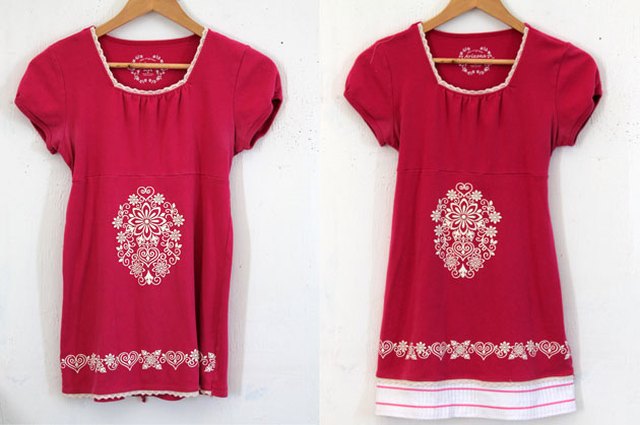

Every closet has one: the dress that looked perfectly reasonable online, perfectly cute on the hanger, and thensurprisesuddenly feels like it was designed for a very fashionable napkin. Maybe it shrank in the wash. Maybe you grew. Maybe the store’s “mini dress” description was doing Olympic-level understatement. Whatever happened, the good news is simple: you do not always need to retire a short dress, donate it, or wear it only while standing completely still.
Learning how to make short dresses longer is one of the most useful clothing hacks you can master. With a little fabric, lace, trim, clever layering, or basic sewing, you can add length to a dress while making it look intentionalnot like you had a small emergency five minutes before leaving the house. The trick is choosing the right method for the dress style, fabric, and amount of extra coverage you want.
This guide walks through practical, stylish, beginner-friendly ways to lengthen a short dress, from no-sew fixes to more polished sewing alterations. Whether your dress is a casual cotton sundress, a bodycon knit, a party dress, or a breezy summer number, there is probably a way to rescue it from the “too short to relax” zone.
Why Dresses Become Too Short
Before grabbing scissors, lace, or a sewing machine, it helps to understand why a dress may feel too short in the first place. Some dresses are intentionally cut as minis, but others become shorter after washing, drying, or changes in fit. Cotton, rayon, viscose, and some knit fabrics can shrink when exposed to heat. A dress that fits tighter around the bust, hips, or waist can also ride up, making the hemline appear shorter than it did on the model.
Body proportions matter, too. A dress that hits mid-thigh on one person may feel barely wearable on someone taller or long-legged. That does not mean anything is wrong with your body or the dress. It simply means the garment needs a little teamwork. Think of it as a style collaboration between you and a stubborn hemline.
First Step: Decide How Much Length You Need
Put on the dress with the shoes and undergarments you would normally wear. Stand in front of a full-length mirror, then sit down, walk around, and bend slightly. A dress can look fine while standing but become a drama queen the moment you move.
Use a measuring tape to estimate how many inches you want to add. For modest extra coverage, 1 to 2 inches may be enough. For a dress that feels noticeably short, 3 to 5 inches can make a major difference. If you want to turn a mini dress into a knee-length dress, you may need a wider fabric panel or a full skirt extension.
Ask These Questions Before Choosing a Method
Look at the dress carefully. Is the hem straight, curved, flared, or tight? Is the fabric woven, stretchy, sheer, or slippery? Does the dress already have lace, ruffles, pleats, or decorative trim? The best lengthening method should match the personality of the dress. A romantic floral dress may look beautiful with lace or a ruffle, while a sleek black bodycon dress may look better with a matching knit panel or a slip extender.
Method 1: Let Down the Existing Hem
The simplest way to make a dress longer is to check whether there is extra fabric hidden inside the hem. Many dresses have a folded hem allowance. If the manufacturer left enough fabric, you can carefully unpick the stitches, press the fold flat, and re-hem with a narrower finish.
This method works best when you only need about half an inch to 1.5 inches of added length. It is especially useful for cotton, linen, denim, and other medium-weight woven dresses. Use a seam ripper gently, because aggressive ripping can leave holes or stretched fabric. Once the hem is released, steam the old crease with an iron and pressing cloth. If the previous fold line still shows, a decorative trim can help disguise it.
For a clean finish, re-hem the dress using a narrow hem, bias tape, or hem facing. A narrow hem saves the most length because it uses very little fabric. Bias tape is helpful for curved hems because it finishes the raw edge without forcing the fabric into awkward puckers.
Method 2: Add Lace to the Hem
Lace is one of the prettiest ways to lengthen a short dress. It can add romance, texture, and coverage without making the alteration look heavy. A lace hem works especially well on sundresses, slip dresses, vintage-style dresses, and lightweight skirts.
Choose lace that matches the dress color for a seamless look, or pick a contrasting lace if you want the detail to stand out. For example, white lace can soften a denim dress, black lace can make a red dress feel more evening-ready, and cream lace can add a vintage touch to florals.
How to Add Lace to a Dress Hem
Measure around the bottom hem of the dress and add at least 1 to 2 extra inches for seam allowance. If the dress is gathered or flared, measure carefully along the actual hemline instead of guessing. Pin the lace to the inside or outside of the dress hem, depending on the look you prefer. Sewing it underneath creates a peekaboo effect, while sewing it on top makes it more decorative.
Use a straight stitch for stable woven fabric. For stretchy lace or knit dresses, use a narrow zigzag stitch so the seam can move with the garment. Press gently after sewing, using low heat if the lace is delicate or synthetic. Lace does not enjoy being scorched, and frankly, neither does your mood.
Method 3: Sew on a Fabric Panel
If you want the dress to look longer in a more natural way, add a fabric panel at the bottom. This is one of the best options when you need several inches of length. A fabric panel can match the dress exactly, coordinate with it, or create a color-blocked design.
The easiest version is a straight rectangular band. Measure the dress hem circumference, then cut a fabric strip that length plus seam allowance. The width should equal the added length you want, plus seam allowance and hem allowance. For example, if you want to add 4 inches, you may cut the strip about 5.25 inches wide to allow for sewing and hemming.
Matching fabric creates the most subtle result, but it is not always possible. If you cannot find the same fabric, choose something that looks intentional. A navy dress can work with white cotton, chambray, or patterned fabric that includes navy. A floral dress can work with a solid fabric pulled from one of the flower colors. When in doubt, black, white, denim, and lace are the little black dresses of the alteration world: useful almost everywhere.
Method 4: Add a Ruffle or Flounce
A ruffle is a smart solution for flared, gathered, casual, or romantic dresses. It adds length and movement at the same time. A flounce, which is usually cut in a circular shape rather than gathered, gives a softer wave and less bulk. Both can turn a too-short dress into something that looks redesigned on purpose.
For a gathered ruffle, cut a strip of fabric longer than the dress hem. A common beginner-friendly ratio is 1.5 to 2 times the hem circumference. For a fuller ruffle, use 2.5 times the hem measurement. The longer the strip, the fuller the ruffle. Just remember: more fullness also means more fabric, more gathering, and possibly more patience. Snacks may be required.
Best Dresses for Ruffle Extensions
Ruffle extensions work beautifully on babydoll dresses, tiered dresses, cotton sundresses, boho dresses, and children’s dresses. They are less ideal for very formal sheath dresses or minimalist office dresses unless the design already has playful details. A ruffle changes the mood of the dress, so use it when that mood makes sense.
Method 5: Wear a Slip Extender Underneath
A slip extender is a separate underlayer that peeks out below the dress. It may have lace, chiffon, cotton, mesh, or ruffles at the bottom. This is one of the best no-alteration options because you do not have to permanently change the dress.
Slip extenders are great for people who have several dresses that are just a little too short. Instead of sewing lace onto five different dresses, you can make or buy one extender and wear it under multiple outfits. It is also ideal for dresses you do not want to cut or sew, such as expensive dresses, borrowed dresses, or garments made from tricky fabric.
To make one, start with a basic slip or lightweight skirt. Add lace or fabric trim to the bottom until it reaches the length you want. The extender should sit comfortably at your waist or hips and should not bunch under the dress. If the outer dress is fitted, use a smooth slip. If the dress is loose, a ruffled extender can add charm without creating strange lumps.
Method 6: Layer With a Longer Skirt
For a creative styling fix, wear a longer skirt underneath the dress. This works especially well when the dress can pass as a tunic or long top. A fitted mini dress can become a layered outfit over a pleated midi skirt, a tulle skirt, or a slim knit skirt. A shirt dress can look intentional over a straight skirt, especially when belted.
This is a no-sew solution, but it requires styling balance. Keep the color palette coordinated and pay attention to volume. A bulky skirt under a tight dress can look uncomfortable, because it usually is. A lightweight skirt under a loose dress gives a softer, more natural silhouette.
Method 7: Add Fringe, Ribbon, or Decorative Trim
If you only need a little extra length, decorative trim can do the job beautifully. Fringe, eyelet trim, embroidered bands, ribbon, crochet edging, or beaded trim can add 1 to 3 inches while giving the dress personality.
This method works best when the trim suits the fabric. Fringe can look fantastic on festival dresses, Western-inspired dresses, or simple black minis. Eyelet trim works well with cotton, linen, and summer dresses. Satin ribbon can dress up a formal or party dress, while crochet trim adds a handmade feel.
For a no-sew version, iron-on hem tape can attach some trims, but always test first. Heat can damage delicate fabric, melt synthetic trim, or leave glue marks. Sewing is usually more durable, especially for garments you plan to wash often.
Method 8: Add an Insert Above the Hem
Instead of adding fabric directly to the bottom, you can insert a band above the original hem. This technique is useful when the existing hem has a special finish you want to keep. You cut the dress a few inches above the hem, insert a lace or fabric band, and reattach the original lower section.
This method looks especially polished when using lace, mesh, eyelet, or a contrasting fabric band. It can add length while preserving the original bottom edge. However, it is more advanced because cutting the dress requires accuracy. Measure twice, breathe once, cut once. Your scissors are powerful. Treat them like tiny dragons.
Method 9: Lengthen a Knit or Bodycon Dress
Knit dresses need special attention because the fabric stretches. A stiff woven panel at the bottom of a stretchy dress can pull awkwardly or make the hem feel tight. Use knit fabric with similar stretch and weight. For example, pair jersey with jersey, rib knit with rib knit, and ponte with ponte or another stable knit.
Use a narrow zigzag stitch, stretch stitch, or serger if you have one. Avoid pulling the fabric while sewing, because stretched seams can ripple. If the dress is very fitted, make sure the added band is wide enough to walk and sit comfortably. A dress that looks longer but prevents normal movement is not a victory. It is fabric jail.
Method 10: Make the Dress Longer Without Sewing
No sewing machine? No problem. You still have options. A slip extender is the easiest no-sew fix. You can also use fashion tape for temporary coverage, although it is not ideal for adding real length. Iron-on hem tape can attach lace or trim, but it works best on washable cotton or stable woven fabrics.
Another no-sew styling trick is to wear opaque tights, leggings, or bike shorts under a short dress. This does not physically lengthen the dress, but it can make it feel more wearable and comfortable. For casual outfits, a short dress over slim pants can create a tunic-style look. This is especially useful for shirt dresses, sweater dresses, and T-shirt dresses.
How to Choose the Right Fabric for Lengthening
Fabric choice can make or break the alteration. Match the weight first. Lightweight dresses need lightweight additions such as voile, chiffon, lace, rayon, or thin cotton. Medium-weight dresses can handle cotton poplin, linen blends, denim, or eyelet. Heavy dresses may need ponte, twill, or thicker fabric so the extension does not look flimsy.
Next, consider drape. A flowy dress needs a fabric that moves. A structured dress needs a fabric that holds shape. Color also matters. If an exact match is impossible, choose contrast confidently. A slightly wrong match can look accidental, but a bold contrast can look like design. Fashion is funny that way.
Common Mistakes to Avoid
Adding Fabric That Is Too Stiff
A stiff panel on a soft dress can stick out like a lampshade. Always compare fabric drape before sewing.
Using Too Little Trim
Ruffles and lace need enough fullness or width to look intentional. If the trim is too short, it can pull, pucker, or look skimpy.
Forgetting Seam Allowance
If you want to add 3 inches, do not cut a 3-inch strip and celebrate too early. You need extra width for the seam and new hem.
Skipping the Try-On Test
Pin or baste the extension first, then try on the dress. Walk, sit, and move. A hemline that behaves on a table may have completely different plans on a human body.
Best Method by Dress Type
For a casual cotton dress, try a fabric band, eyelet trim, or ruffle. For a slip dress, use lace, chiffon, or a slip extender. For a bodycon dress, use a matching knit band or wear it over a longer fitted skirt. For a party dress, consider satin trim, beaded edging, sheer mesh, or a carefully matched panel. For a boho dress, ruffles, crochet trim, and tiered extensions usually look natural.
For formal dresses, be more cautious. Eveningwear often has linings, slippery fabrics, curved hems, or special construction. If the dress is expensive or needed for an important event, a professional tailor may be worth it. There is bravery, and then there is cutting into a bridesmaid dress at midnight. Choose peace.
Care Tips After Lengthening a Dress
After altering a dress, wash it carefully. If you added lace, trim, or a different fabric, the new material may shrink or react differently than the original dress. Hand washing or using a delicate cycle is safest. Air drying helps prevent shrinkage and protects decorative details.
Press the new hem after washing to keep it crisp. If you used lace or synthetic trim, use low heat and a pressing cloth. Store the dress hanging if the new hem wrinkles easily. A little care helps your alteration stay polished instead of looking like it had a rough weekend.
Extra Experience: Real-Life Lessons From Making Short Dresses Longer
One of the most useful lessons from lengthening short dresses is that the best fix is not always the most complicated one. Many people assume they need to perform a full sewing transformation when a simple lace extender or narrow hem adjustment would solve the problem. The first time you rescue a dress with a slip extender, it feels almost suspiciously easylike finding out your “broken” remote only needed batteries.
For everyday dresses, comfort should come before perfection. A dress can look beautiful on a hanger after you add a ruffle, but if the added fabric scratches your legs, clings to tights, or twists while walking, you will not wear it. Soft trims and breathable fabrics are usually better for dresses worn all day. Lace may look lovely, but some lace is rough. Always rub the trim gently against your skin before attaching it. Your future self will appreciate this tiny moment of quality control.
Another experience-based tip: do not underestimate the power of color repetition. If you add a black lace hem to a floral dress that has no black anywhere else, it may look disconnected. But if you add a black belt, black sandals, or a black cardigan, suddenly the hem looks planned. Alterations are not just sewing decisions; they are styling decisions. The whole outfit can help the added length make sense.
It is also smart to practice on a low-risk dress first. Thrifted dresses, old sundresses, or dresses already sitting in the “maybe someday” pile are perfect for experimenting. You learn how fabric behaves, how trims attach, and how much length you actually like. After one or two projects, you start seeing possibilities everywhere. That too-short dress becomes a tunic. That awkward hem becomes a lace detail. That plain T-shirt dress becomes a tiered weekend outfit. Your closet starts feeling less like a problem and more like a craft store with sleeves.
If you are new to sewing, basting is your best friend. Temporary long stitches let you test the added fabric before committing. Pinning alone can shift, especially around curved hems, but basting keeps the extension in place while you try it on. It may feel like an extra step, but it often saves time because you avoid ripping out a finished seam later.
Finally, know when to stop. Adding length should improve the dress, not bury it under every trim available in the sewing aisle. One clean fabric band, one soft lace layer, or one balanced ruffle usually looks more expensive than several competing details. The goal is not to announce, “This dress was too short and we held a meeting about it.” The goal is for someone to say, “Cute dress,” while you quietly enjoy the fact that you can sit down comfortably.
Conclusion
Making a short dress longer is part sewing project, part styling puzzle, and part closet rescue mission. You can let down the hem, add lace, sew on a fabric panel, attach a ruffle, wear a slip extender, layer with a skirt, or use decorative trim for a quick refresh. The best method depends on the dress shape, fabric, and how much length you need.
Start simple, measure carefully, and choose materials that look like they belong with the original design. With the right approach, a too-short dress can become one of your most wearable pieces again. And that is a very satisfying ending for a garment that was previously one breeze away from retirement.


