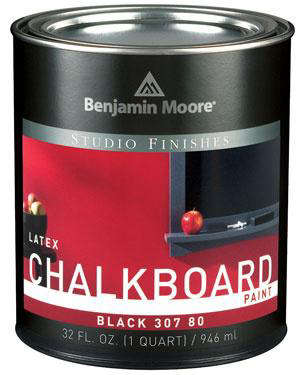

A chalkboard wall has a special kind of magic. One minute it is a plain patch of drywall, and the next it is a grocery list, a homework station, a doodle zone, a restaurant-style menu, or the family command center where someone inevitably writes “buy snacks” in enormous letters. For homeowners searching for Benjamin Moore Chalkboard Paint, the big question is simple: which product should you use, how does it perform, and what should you know before rolling it onto a wall?
The answer starts with an important update. The older ben® Chalkboard Paint from Benjamin Moore is no longer manufactured in the United States. Benjamin Moore now points customers toward INSL-X® Chalkboard Paint, a specialty interior coating made under the Benjamin Moore family of products. It is designed to turn interior surfaces into an easy-to-clean black chalkboard finish. So, when most people say “Benjamin Moore chalkboard paint” today, they are usually talking about the current INSL-X chalkboard paint option or trying to replace the discontinued ben product.
This guide explains what Benjamin Moore chalkboard paint is, where it works best, how to apply it correctly, and how to avoid the common mistakes that make chalkboard walls look more “sad classroom from 1987” than “stylish modern command center.”
What Is Benjamin Moore Chalkboard Paint?
Benjamin Moore chalkboard paint refers to a specialty coating made to create a writable, erasable chalkboard surface on interior walls and select materials. The current product most closely associated with Benjamin Moore in this category is INSL-X® Chalkboard Paint – Eggshell. It is a waterborne acrylic coating intended for interior use on surfaces such as drywall, plaster, and wood.
The product is ready-made in black and dries to an eggshell-style chalkboard finish. Unlike regular wall paint, chalkboard paint is formulated so traditional chalk can write on the surface and then be erased. It is not the same thing as chalk paint, which is usually a decorative furniture paint with a matte, velvety look. That mix-up is common enough to deserve its own tiny warning bell.
Chalkboard Paint vs. Chalk Paint
Chalkboard paint creates a writable surface. Chalk paint is typically used to give furniture or decor a soft, matte, vintage finish. One turns your kitchen wall into a memo board. The other turns a flea-market dresser into something that looks like it belongs in a charming farmhouse. They are cousins in name only, not twins.
If your goal is to write lunch menus, reminders, math problems, or inspirational quotes on a surface, you want chalkboard paint. If your goal is to refinish a cabinet in a distressed antique style, you want chalk-style paint.
Key Features of INSL-X Chalkboard Paint
Benjamin Moore’s current chalkboard solution is practical, not overly complicated. INSL-X Chalkboard Paint is a 100% acrylic resin coating made for interior surfaces. It is low VOC, cleans up with soap and water, and is recommended for two coats. Manufacturer guidance lists a dry time of about 30 minutes, a recoat time of around four hours, and an application temperature range of 50°F to 90°F.
Coverage is listed at approximately 100 to 110 square feet, which is useful when planning small projects like pantry doors, cabinet panels, playroom walls, office nooks, or kitchen message centers. For best results, the surface must cure before use. The technical guidance says to let the painted area cure for three days before writing on it, while the retail product page describes it as ready to use in four days. In real-world terms, patience wins. Let it sit. Your future eraser will thank you.
Best Uses Around the Home
Benjamin Moore chalkboard paint is especially useful in spaces where function and creativity overlap. In a kitchen, it can become a family meal planner, shopping list, or “who used the last egg?” investigation board. In a home office, it works as a brainstorming wall for notes, deadlines, and quick sketches. In a child’s bedroom or playroom, it offers a defined drawing zone that may reduce the temptation to decorate the rest of the house with surprise crayon murals.
It also works beautifully on smaller surfaces. A pantry door can become a meal-planning station. A framed plywood panel can become a removable chalkboard. Wooden storage bins can get reusable labels. A mudroom wall can hold chore lists, sports schedules, and reminders to bring cleats, water bottles, or whatever object was forgotten last time.
Where Benjamin Moore Chalkboard Paint Works Best
The best surfaces are smooth, clean, dry, and properly prepared. Drywall, plaster, and wood are the most common choices. A smoother surface produces better chalk performance because chalkboard paint does not magically erase heavy wall texture. If the wall has orange peel, knockdown, deep brush marks, or bumps, those imperfections will still be there after painting. Chalk will catch on them, erasing will be less even, and the surface may feel more like writing on a gravel road than a neat board.
For a large chalkboard wall, choose an area that does not get constant rubbing from chairs, backpacks, pets, or traffic. Chalkboard paint is durable for normal writing and erasing, but it is still a coating. It performs best when treated like a functional finish, not a wrestling mat.
Good Project Ideas
A few smart ideas include a kitchen command wall, a framed playroom art board, a home-school learning area, a craft room label panel, a restaurant-style menu board, a home gym workout tracker, or a mudroom message zone. Small projects are often easier to maintain than full walls because they create a clear writing area without visually overwhelming the room.
Projects to Think Twice About
Avoid using chalkboard paint in high-moisture areas unless the surface and room conditions are appropriate. Bathrooms with poor ventilation, damp basements, and exterior surfaces are not ideal choices for this interior product. Also be careful with heavily textured walls, greasy kitchen backsplashes, and surfaces that have wax, silicone, loose paint, or glossy finishes that have not been sanded.
How to Apply Benjamin Moore Chalkboard Paint
A great chalkboard wall begins before the can opens. The difference between a crisp, smooth chalkboard surface and a streaky, bumpy one usually comes down to preparation. No paint, no matter how fancy, can rescue a dusty, dented, greasy wall that was ignored like an unread terms-and-conditions page.
Step 1: Choose the Right Area
Pick a surface that is visible, useful, and easy to reach. For kids, keep the writing area at their height. For kitchens, choose a spot away from heavy splatter zones. For offices, place the board where it can be used without blocking furniture or forcing you to write sideways like a detective in a crime drama.
Step 2: Clean and Repair the Surface
The surface should be clean, dry, and free of grease, dust, wax, mildew, loose paint, or other materials that can interfere with adhesion. Fill nail holes, dents, and cracks with spackle or filler. Sand the repaired areas smooth. If the existing surface is glossy, lightly dull it with sandpaper so the coating has something to grip.
Step 3: Prime if Needed
Primer may be necessary on bare drywall, patched areas, stained surfaces, or porous wood. A good primer helps create a uniform base, improves adhesion, and reduces uneven absorption. This matters because chalkboard paint performs best as a smooth, consistent film. Uneven prep can lead to blotchy sheen, rough writing, and weak spots.
Step 4: Stir Thoroughly
Stir the paint thoroughly before application. Specialty coatings rely on consistent distribution of ingredients, so do not treat the stir stick as decorative packaging. Mix from the bottom of the container and keep the product uniform while working.
Step 5: Apply Two Thin, Even Coats
Use a quality brush for edges and a smooth or short-nap roller for larger areas. A foam roller can also help achieve a smooth finish on smaller projects. Apply the paint evenly without overloading the roller. Two coats are recommended. Let the first coat dry fully before recoating, following the product’s recoat guidance.
The goal is a smooth film, not a thick swamp of paint. Heavy application can cause ridges, slow drying, and uneven texture. Light, controlled coats are easier to manage and usually produce a better writing surface.
Step 6: Let It Cure
This is the step impatient DIYers love to skip. Do not. Let the chalkboard paint cure before using it. Manufacturer guidance says the painted area should cure for three days before use, and current product information describes it as ready to use in four days. Temperature, humidity, and airflow can affect drying and curing. Cool or humid rooms may require extra time.
Step 7: Season the Chalkboard
Before writing your first message, season the surface. Rub the side of a piece of white chalk over the entire board, then erase it with a clean, damp cloth or soft eraser. This step helps reduce ghosting, which is the annoying shadow left behind after writing. Think of seasoning as giving the chalkboard a polite introduction to its new career.
Best Chalk to Use
Traditional, non-liquid chalk is the safest choice for this type of chalkboard paint. Manufacturer guidance recommends lighter colored chalk designed for chalkboards. Liquid chalk markers may look bold and trendy, but they can leave residue or require more aggressive cleaning depending on the surface. If you want to use liquid chalk, test it first in a hidden area and confirm it erases cleanly before decorating the entire wall with a motivational quote that refuses to leave.
For daily use, soft white chalk is practical, inexpensive, and easy to erase. Colored chalk can be fun, but some pigments may leave more residue than others. Use gentle pressure when writing, and erase with a soft cloth or chalkboard eraser.
Cleaning and Maintenance Tips
A chalkboard wall will never stay perfectly dust-free. Chalk creates dust; that is part of the deal. Still, basic maintenance keeps the surface looking attractive. Erase regularly with a soft eraser or microfiber cloth. For deeper cleaning, use a clean damp cloth and avoid abrasive scrubbers. Harsh cleaners can wear down the finish or leave streaks.
If the board starts to look cloudy, wipe it gently and let it dry fully. Then season it again with white chalk. Re-seasoning can revive the surface and make writing feel smoother. If an area becomes scratched or worn after years of use, lightly sand, clean, and repaint according to the same preparation steps.
Common Mistakes to Avoid
Using the Wall Too Soon
Writing on chalkboard paint before it cures can damage the finish and increase ghosting. Waiting several days may feel dramatic, but it is far easier than repainting because someone wrote “hello” on day one and permanently introduced it to the wall.
Skipping Surface Prep
Dust, grease, gloss, and texture all affect the final result. Smooth, clean surfaces produce better writing and easier erasing. Preparation is not glamorous, but neither is a chalkboard wall with visible spackle lumps.
Using the Wrong Chalk
Traditional chalk is recommended. Liquid chalk markers can be risky on painted chalkboard surfaces because they may stain or ghost. Always test before using specialty markers.
Expecting It to Hide Wall Texture
Chalkboard paint creates a chalk-compatible finish, not a new wall surface. If the wall is rough before painting, it will likely remain rough afterward. For best results, sand smooth or apply the paint to a smoother panel.
Is Benjamin Moore Chalkboard Paint Worth It?
Benjamin Moore’s chalkboard paint option is worth considering if you want a reliable black chalkboard finish from a known paint brand family. The INSL-X formula is practical for interior projects, especially on walls, wood panels, and creative home surfaces. It is easy to apply, cleans with soap and water during cleanup, and is suitable for residential or commercial spaces.
The biggest limitation is color. The current ready-made product is black. If you were looking for the older tintable ben® Chalkboard Paint, you may be disappointed because it is no longer manufactured in the U.S. For many projects, however, classic black is exactly what people imagine when they picture a chalkboard wall. It gives strong contrast, works with most decor styles, and makes white chalk easy to read.
Design Ideas for a Stylish Chalkboard Wall
A chalkboard wall does not have to look like a school hallway. With the right placement and framing, it can feel intentional and polished. One of the easiest upgrades is to frame the painted area with trim. This gives the chalkboard a finished edge and prevents it from looking like a random black rectangle landed on the wall overnight.
In kitchens, pair a chalkboard panel with warm wood shelves, brass hooks, or a small chalk tray. In playrooms, use a lower framed section so children can draw comfortably. In offices, create a vertical board beside the desk for task lists, deadlines, and project notes. In restaurants or coffee bars, use it for rotating menus and seasonal specials.
If a full wall feels too bold, start small. Paint the inside of a pantry door, the side of a cabinet, or a framed piece of plywood. Smaller chalkboard surfaces are easier to clean, easier to update, and less visually heavy.
Safety and Practical Notes
Always follow the product label and technical data sheet. Use adequate ventilation during painting and sanding. Wear eye protection and gloves when appropriate. If you are sanding or disturbing old paint in a home built before 1978, lead-safe practices matter. Older paint may contain lead, and sanding can create hazardous dust. When in doubt, test first or hire a certified professional.
For children’s spaces, keep chalk and erasers age-appropriate, avoid excessive chalk dust, and clean surfaces regularly. Chalkboard walls are fun, but they should still be treated as part of a safe indoor environment.
Personal Experience: What It Is Like to Use Benjamin Moore Chalkboard Paint
The first thing people usually notice about a chalkboard paint project is that it feels deceptively easy. You look at the wall, look at the paint can, and think, “How hard can this be?” Then the wall quietly reminds you that every tiny bump, old roller mark, and mystery dent has been waiting years for its moment in the spotlight.
In real use, the best Benjamin Moore chalkboard paint projects are the ones where preparation gets almost as much attention as painting. A smooth surface makes a huge difference. On a patched wall, it is worth taking extra time to sand the repair flush, wipe away dust, and check the surface under good lighting. If the wall looks uneven before painting, the chalkboard finish will not hide it. In fact, the darker color may make some flaws easier to notice.
Rolling the paint is straightforward. It behaves much like a specialty interior coating rather than a mysterious craft potion. The key is not to rush. A controlled first coat may look slightly underwhelming, but the second coat builds the finish. Heavy coats are tempting because everyone wants instant coverage, but too much paint can create texture and longer dry times. A smooth roller, steady pressure, and patience are more valuable than heroic paint loading.
The curing period is where discipline comes in. A freshly painted chalkboard wall looks ready before it actually is. That deep black finish practically begs for a piece of chalk. Resist. Letting it cure properly helps the surface become more durable and easier to erase. This is especially important in homes with kids, where the new wall may attract attention like a cookie jar with a spotlight on it.
Seasoning the wall is another step that sounds optional until you skip it once. Rubbing the side of white chalk across the entire surface and erasing it creates a more forgiving board. Without seasoning, the first words written on the board may leave a ghost image. This is cute only if the first words are poetic. It is less cute if the first words are “trash day” or “call dentist.”
Over time, chalkboard paint becomes part of the rhythm of a room. In a kitchen, it naturally collects grocery reminders, dinner plans, and quick notes. In a home office, it works well for temporary thinking: outlines, project steps, content ideas, and deadlines. In a playroom, it gives children a place to draw big without needing a stack of paper. The surface is not maintenance-free, but it is easy to refresh with a damp cloth and occasional re-seasoning.
One practical lesson is to keep expectations realistic. A painted chalkboard wall is not identical to a commercial slate board. It can write and erase well when prepared properly, but chalk dust, faint residue, and surface wear are normal. The reward is flexibility. You can create a custom-size message board exactly where you need it, without hanging a heavy framed board or drilling extra holes.
For homeowners who like functional design, Benjamin Moore chalkboard paint is a satisfying weekend project. It adds personality without requiring major renovation. It can make a kitchen more organized, a child’s room more playful, or an office more creative. And unlike many design trends, it invites daily use. A chalkboard wall is not just something to look at; it is something to write on, erase, revise, and enjoy.
Conclusion
Benjamin Moore Chalkboard Paint is best understood today through the INSL-X Chalkboard Paint product: a black, low-VOC, acrylic interior coating that turns smooth surfaces into usable chalkboards. Although the older ben® Chalkboard Paint has been discontinued in the U.S., the current Benjamin Moore-backed option remains a strong choice for kitchens, playrooms, offices, mudrooms, menu boards, and creative DIY projects.
The secret to success is not complicated: start with a smooth surface, clean and repair it properly, apply two even coats, allow the finish to cure, season the surface with chalk, and use traditional chalk for everyday writing. Do those things, and your chalkboard wall can become one of the most useful and charming features in the room. Skip those things, and you may end up with a wall that looks like it lost a fight with a dusty eraser.
Note: Product names, availability, and technical specifications can change. Always confirm current details with the product label, Benjamin Moore documentation, or a local authorized retailer before starting your project.


