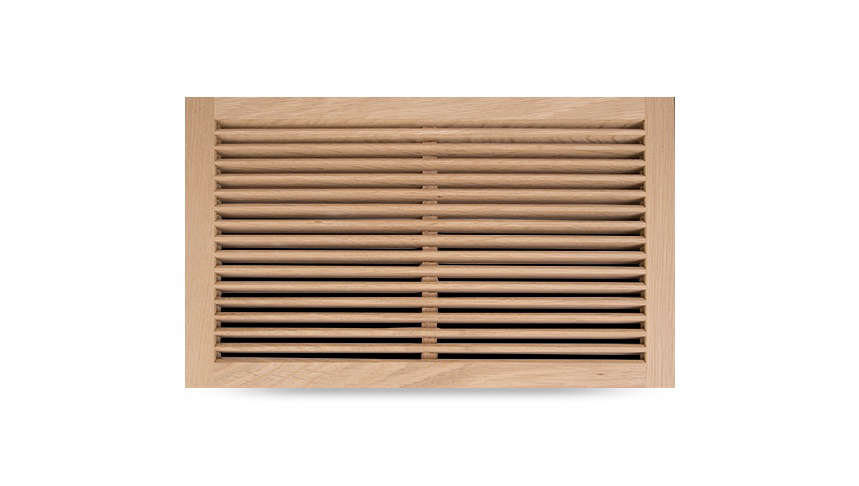

A wood register flush rim grill may sound like something only a flooring contractor could love, but give it a minute. This small architectural detail can quietly change the entire look of a hardwood floor. Instead of a shiny metal vent sitting on top of your beautiful oak, maple, cherry, or walnut flooring like it wandered in from another room, a flush wood register blends into the surface with calm confidence. It says, “Yes, I belong here,” and honestly, that is the kind of energy every home upgrade should have.
In simple terms, a wood register flush rim grill is a wooden vent cover designed to sit nearly level with the surrounding floor, wall, or sometimes cabinetry surface. It allows heated or cooled air to pass through while maintaining a clean, built-in appearance. Depending on the design, it may be called a flush mount wood floor register, flush rim grille, hardwood vent cover, wood floor grille, or wood register cover. The word “grill” is often used casually, while “grille” is the more common spelling in HVAC and architectural product descriptions. Either way, we are talking about the same hardworking little hero: a vent cover that does not ruin the floor’s outfit.
What Is a Wood Register Flush Rim Grill?
A wood register flush rim grill is a decorative and functional HVAC vent cover made from wood. It fits into or over a duct opening and allows air from a forced-air heating and cooling system to enter or leave a room. The “flush rim” part means the visible frame or rim sits level, or almost level, with the finished surface. This creates a smooth transition between the floor and the vent cover.
Most flush wood registers are used in hardwood floors, especially during new flooring installation or major remodeling. Some can be retrofitted into an existing floor, but that usually requires careful cutting, routing, measuring, and a steady hand. This is not the ideal moment to discover that your circular saw has “creative opinions.”
The grill or grille section may be made with louvers, slats, lattice patterns, egg-crate openings, linear slots, or decorative cutouts. Some models include a damper, allowing you to control airflow. Others are fixed grilles, which simply allow air to pass through. Choosing the right one depends on whether the opening is used for supply air or return air, where it is located, and how much airflow your HVAC system needs.
Why Homeowners Choose Wood Flush Rim Registers
The main reason people choose a wood register flush rim grill is appearance. Standard metal registers are practical, affordable, and easy to replace, but they can interrupt the visual flow of hardwood flooring. A flush wood grille, by contrast, can be stained, sealed, or finished to match the floor. When done well, it looks intentional rather than accidental.
These registers are especially popular in homes with custom hardwood floors, historic restorations, luxury remodels, open-concept spaces, and minimalist interiors. In a room where every finish has been carefully selected, a mismatched vent cover can feel like wearing sneakers with a tuxedo. Comfortable? Sure. Ideal? Not always.
Design Benefits
A flush rim wood register creates a seamless appearance. It reduces visual clutter, complements natural flooring, and can make a space feel more polished. It is also available in common hardwood species such as red oak, white oak, maple, cherry, hickory, walnut, and sometimes exotic woods. Paint-grade versions are useful when the goal is to match trim, walls, cabinets, or built-ins rather than flooring.
Functional Benefits
Besides looking good, a properly sized wood register helps maintain airflow. HVAC systems depend on balanced supply and return airflow to keep rooms comfortable. If a vent cover is too restrictive, poorly fitted, or blocked by furniture, it can reduce comfort and make the system work harder. Beauty is wonderful, but airflow still needs a clear path. Even the prettiest vent cannot perform if it is buried under a rug like a secret.
Register vs. Grille: What Is the Difference?
The terms register, grille, and vent cover are often used interchangeably, but they are not exactly the same. A grille is usually a fixed cover with openings that allow air to move through. It does not typically include a damper. A register usually includes adjustable louvers or a damper so the homeowner can control airflow direction or volume. A diffuser is designed to spread air in multiple directions and is often used in ceilings.
For a floor supply vent, a wood register with a damper may be useful if you want some control over the air entering the room. For a return air opening, a fixed wood grille is more common because return vents pull air back toward the HVAC system and usually should not be closed off. In short: if it blows air into the room, it may be a register; if it simply allows air to pass, it may be a grille. If it causes an argument at the hardware store, call it a vent cover and move on with your afternoon.
Types of Wood Register Flush Rim Grill Designs
Not every wood register flush rim grill is built the same way. The right choice depends on the installation stage, floor thickness, duct opening, and desired look.
Flush Mount with Frame
A flush mount wood register with a frame is commonly installed during new hardwood flooring installation. The frame is set into the floor around the duct opening, and the removable grille insert drops into the frame. This style delivers one of the cleanest finished looks because the frame and insert can be finished along with the surrounding floor.
This option is excellent for new builds, full flooring replacements, or remodels where the installer can plan the opening before the floor is completed. The frame usually adds to the overall outside dimensions, so homeowners should pay close attention to both duct size and frame size.
Trimline Flush Mount
A trimline flush mount design often has a slimmer profile and may not use a separate frame. It is typically made to fit the floor thickness and rest cleanly within the cut opening. This option can look very sleek, especially with modern linear floor layouts.
Self-Rimming or Drop-In Wood Registers
A self-rimming vent has a rim that sits on top of the floor surface. It is easier to install than a true flush mount because it does not require the same level of recessed cutting. However, it does not produce the same fully flush appearance. Drop-in wood registers are a good choice for quick replacement projects or existing floors where cutting a flush pocket is not practical.
Custom Wood Grilles
Custom wood grilles are useful for unusual duct sizes, oversized return openings, specialty woods, or unique design patterns. They can be built for floors, walls, ceilings, toe-kick spaces, stair landings, or cabinetry. Custom work costs more, but it may be the only way to get a perfect fit in older homes where “standard size” apparently meant “whatever Bob felt like cutting in 1978.”
Best Wood Species for Flush Rim Registers
The best wood species depends on your floor, finish, budget, and durability needs. Matching the species is usually the safest design move. If your floor is white oak, a white oak flush register will generally accept stain and finish in a similar way. Maple, cherry, red oak, walnut, and hickory are also common choices.
Oak is popular because it is durable, widely available, and easy to stain. Maple offers a smoother grain and lighter appearance, making it attractive for contemporary interiors. Cherry brings warmth and deepens beautifully over time. Walnut provides a rich, upscale look but can be more expensive. Hickory is strong and visually dramatic, with bold grain variation that works well in rustic or farmhouse spaces.
For painted interiors, paint-grade wood or primed wood grilles can be a smart option. They are often used on wall return grilles, built-ins, or areas where the vent should match trim rather than flooring.
How to Measure for a Wood Register Flush Rim Grill
Accurate measurement is everything. A beautiful wood vent in the wrong size is just a fancy coaster with airflow aspirations.
Start by removing the existing vent cover. Measure the actual duct opening, not the outside dimensions of the old register. Most vent covers are sold according to duct opening size, such as 4 inches by 10 inches, 4 inches by 12 inches, 6 inches by 10 inches, or 6 inches by 12 inches. The outside dimensions of the frame or rim will be larger than the duct size.
For flush mount wood registers, also confirm the flooring thickness and the required overall frame dimension. A flush register may need a larger routed area around the duct opening so the frame can sit properly. If you are ordering custom, provide the manufacturer with the duct opening size, overall opening size, floor thickness, wood species, finish preference, and whether the piece is for floor, wall, ceiling, supply, or return use.
Installation: What to Expect
Installing a wood register flush rim grill is easiest during new hardwood floor installation. The flooring contractor can cut and frame the opening as the boards are laid. The vent frame can then be installed level with the floor, and the grille insert can be finished to match.
Retrofit installation is possible, but it is more demanding. The installer may need to enlarge the floor opening, route a recessed ledge, square the corners, and make sure the vent sits flat without wobbling. This is precision work. If the cut is too loose, the register may shift. If it is too tight, seasonal wood movement may cause binding. Wood expands and contracts with humidity, so a little planning prevents future headaches.
Installation Tips
Before installation, verify the direction of the grille pattern. Linear slots, louvers, and grain direction should align with the room design and flooring layout. Make sure the register is rated for floor use if people will walk on it. Some decorative wood vent covers are designed only for walls or ceilings and should not be used underfoot.
Also, keep airflow in mind. Do not choose an overly dense pattern for a supply vent unless the manufacturer confirms it provides adequate free area. “Free area” refers to the open space that allows air to pass through. A vent cover with too little open area may reduce airflow, increase noise, or affect comfort in the room.
Where Wood Register Flush Rim Grills Work Best
Wood flush rim registers are ideal in living rooms, dining rooms, bedrooms, hallways, libraries, home offices, and other spaces with hardwood floors. They are especially effective in open rooms where vents are visible from multiple angles.
They can also work in stair landings, built-in benches, window seats, and cabinetry toe kicks when properly designed. However, they may not be the best choice for wet areas such as bathrooms, laundry rooms, mudrooms, or basements with moisture concerns. Wood and moisture can have a dramatic relationship, and not in a romantic-comedy way.
Maintenance and Cleaning
A wood register flush rim grill is fairly easy to maintain. Dust it regularly with a soft cloth or vacuum brush attachment. For deeper cleaning, remove the grille insert if possible and gently wipe along the grain with a slightly damp cloth. Avoid soaking the wood. Too much water can damage the finish, raise the grain, or cause warping.
Use a wood-safe cleaner when needed, and dry the surface immediately. Do not use harsh chemicals, abrasive scrubbers, or steam cleaners. If the finish becomes worn, a wood register can often be lightly sanded and refinished, depending on its construction and thickness. That is one advantage wood has over cheap plastic vents: it can age with character instead of simply looking tired.
Common Mistakes to Avoid
Measuring the Old Cover Instead of the Duct Opening
This is the classic mistake. Always measure the duct opening. The old vent’s outside dimensions may not match the new product, especially with flush rim or framed designs.
Ignoring Floor Thickness
Flush mount wood registers must coordinate with flooring thickness. A vent designed for three-quarter-inch hardwood may not sit correctly in thinner engineered flooring without adjustments.
Using Wall Grilles on the Floor
Not all wood grilles are built to support foot traffic. If it is going on the floor, confirm that it is floor-rated.
Blocking the Vent
Do not cover registers with rugs, heavy furniture, pet beds, storage baskets, or holiday decorations. Yes, even the festive snowman basket. Air needs room to move.
Choosing Looks Over Airflow
A delicate decorative pattern may be beautiful, but it must still allow enough air through. Balance style with performance.
Cost Considerations
The cost of a wood register flush rim grill depends on size, wood species, construction, finish, and whether it is standard or custom. Small unfinished wood floor registers may be relatively affordable, while large custom return grilles, exotic species, magnetic frames, or specialty patterns can cost much more.
Installation cost also matters. A simple drop-in replacement may take minutes. A flush mount retrofit in an existing hardwood floor may require professional labor, careful routing, and finish touch-up. When budgeting, include the register, shipping, finish materials, and installation. It is better to calculate the full project cost early than to be surprised halfway through, standing in sawdust and questioning your life choices.
Is a Wood Register Flush Rim Grill Worth It?
For homeowners who care about design continuity, yes, a wood register flush rim grill can absolutely be worth it. It is not always the cheapest vent cover option, but it offers a custom built-in look that metal registers rarely match. In high-visibility spaces, the visual upgrade can be surprisingly noticeable.
That said, it is not necessary for every room. Utility areas, closets, unfinished basements, and low-traffic spaces may be perfectly fine with standard metal registers. The smartest approach is to use wood flush rim grilles where they matter most visually and use simpler options where function is the only priority.
Real-World Experiences with Wood Register Flush Rim Grills
Experience is where this topic gets practical. On paper, a wood register flush rim grill sounds like a small detail. In a real home, it can become the difference between “nice floor” and “wow, who did your floors?” The upgrade is subtle, but subtle is often where good design lives.
One common experience happens during a hardwood floor replacement. A homeowner chooses white oak flooring for a living room and initially plans to reuse the old brown metal registers. Once the new floor is installed, those metal covers suddenly look loud, dated, and oddly distracting. Switching to matching white oak flush mount registers allows the vents to disappear into the floor. Guests may not notice the registers directly, but they notice the room feels cleaner and more finished. That is the magic trick: the best vent cover is sometimes the one nobody points at.
Another example comes from older homes. Many historic houses have uneven duct openings, nonstandard sizes, or layers of flooring added over the decades. In these homes, custom wood grilles can solve both design and fit problems. A custom flush rim grille can be built to suit an odd opening while respecting the character of the house. The result feels more appropriate than a shiny modern register forced into a century-old floor.
Families with pets and kids often discover one important lesson: removable inserts are convenient. Floor vents collect dust, crumbs, pet hair, toy parts, and mysterious tiny objects that no one admits dropping. A flush wood register with a removable grille insert makes cleaning easier. You can lift the insert, vacuum the duct opening carefully, wipe the slats, and put everything back without drama. If your toddler has ever treated a floor vent like a mailbox for crackers, you understand the value of easy access.
Homeowners also learn that finish matching is part science, part art. A wood register made from the same species as the floor may still look slightly different because grain pattern, stain absorption, and finish sheen vary. The best results usually happen when the register is finished at the same time as the floor or when the supplier provides an unfinished piece that the flooring contractor can stain on site. Factory-finished vents can look beautiful, but samples help prevent surprises.
There is also a comfort lesson. Some people assume that closing or heavily restricting a vent in an unused room saves energy. In many forced-air systems, that can create pressure issues and uneven airflow. A wood register should improve the room’s appearance without choking the HVAC system. If one room is too hot or too cold, the better solution may involve duct balancing, damper adjustment, insulation, filter changes, or professional HVAC evaluation rather than simply shutting the register.
Finally, the best experience comes from planning early. If you are installing new hardwood, choose the vent style before the floor goes down. Give your installer the product dimensions, frame details, and placement plan. Flush rim registers are easiest when they are part of the flooring layout from the start. Waiting until the end can still work, but it may cost more and require extra cutting. In home improvement, “we will figure it out later” is often just a very expensive sentence wearing casual clothes.
Conclusion
A wood register flush rim grill is a small detail with a big design payoff. It blends HVAC function with the warmth of real wood, helping floors, walls, and built-ins look more intentional. Whether you choose a framed flush mount register, trimline grille, self-rimming vent, or custom hardwood cover, the key is to measure carefully, respect airflow, match materials thoughtfully, and install it correctly.
For new hardwood floors, a flush wood register can be one of the smartest finishing touches. For existing floors, it can still be a beautiful upgrade when handled with precision. Choose the right species, confirm the duct size, think about durability, and avoid blocking the vent after installation. Your HVAC system will breathe easier, and your floor will finally get the polished detail it deserves.
Note: This article is written for general home improvement and SEO publishing purposes. For structural floor changes, unusual duct layouts, or HVAC performance concerns, consult a qualified flooring installer or HVAC professional.


