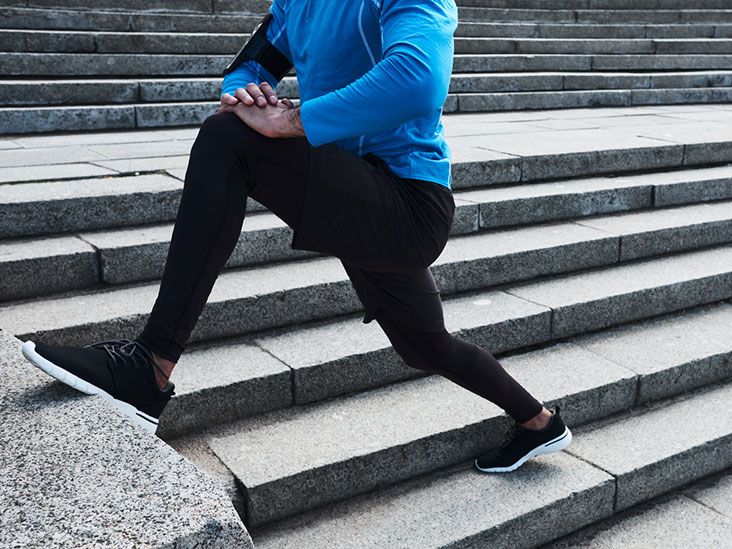

Runner’s knee can make an easy jog feel as though your kneecap has filed a formal complaint. The ache usually sits in front of or around the kneecap and often worsens with stairs, squats, hills, jumping, or prolonged sitting. Most cases improve without surgery, but recovery usually takes smart load management, targeted strengthening, and a gradual return to runningnot one heroic stretching session followed by a victory lap.
What Is Runner’s Knee?
“Runner’s knee” most commonly refers to patellofemoral pain syndrome (PFPS). The kneecap normally glides in a groove at the lower end of the thighbone as the knee bends and straightens. Pain can develop when the joint and surrounding tissues are repeatedly loaded beyond their current capacity.
Despite the nickname, PFPS also affects hikers, dancers, cyclists, jumping athletes, workers, teenagers, and nonathletes. The term is not a precise diagnosis: patellar tendinopathy, iliotibial band syndrome, arthritis, meniscus injuries, and other problems may produce similar pain.
Common Runner’s Knee Symptoms
The classic symptom is a dull ache at the front of the knee or around the kneecap. It may affect one or both knees and become more noticeable during:
- Running, especially after adding mileage, speed, or hills
- Walking downstairs or downhill
- Squatting, lunging, kneeling, or jumping
- Standing after sitting with the knee bent for a long time
- A change in shoes, training surface, or workout routine
Clicking, crackling, or grinding can occur and does not automatically mean the knee is being damaged. Painful catching, true locking, marked swelling, or repeated giving-way deserves medical evaluation.
When to Seek Medical Care
Get prompt care after a major fall, collision, or twisting injury, or if you cannot bear weight. Also seek help for deformity, rapid swelling, a hot red knee, fever, locking, or instability. Pain that worsens or fails to improve after a few weeks of sensible home care should be assessed.
Why Runner’s Knee Happens
PFPS usually reflects a mismatch between loadthe stress placed on the kneeand capacitywhat the joint and muscles can currently tolerate. For example, a runner may handle three easy runs a week, then add a longer run, intervals, and hill repeats all at once. Each workout is reasonable; the sudden pileup is not.
Contributors may include weak or poorly coordinated quadriceps, hips, and glutes; tight thigh or calf muscles; altered landing or running mechanics; limited ankle mobility; inadequate recovery; worn footwear; and natural differences in leg or kneecap anatomy.
How Runner’s Knee Is Diagnosed
A clinician usually diagnoses PFPS from the history and physical examination. The evaluation may include kneecap tenderness, knee and hip motion, muscle strength, flexibility, and movements such as squatting or stepping down. Imaging is not always necessary. X-rays can rule out bone problems, while MRI may be considered when symptoms persist despite rehabilitation or another injury is suspected.
Runner’s Knee Stretches
Stretching may ease tightness and improve motion, but it is a supporting actor rather than the star of treatment. Hip-and-knee strengthening generally matters more. Move slowly, do not bounce, and stop for sharp pain, numbness, or worsening symptoms. A common starting point is a gentle 20- to 30-second hold for two or three repetitions per side.
1. Standing Quadriceps Stretch
Hold a wall for balance, bend one knee, and bring the heel toward the buttock. Keep the knees close and the pelvis level. You should feel the front of the thigh stretching, not a pinch inside the knee.
2. Supine Hamstring Stretch
Lie on your back and loop a strap around one foot. Raise that leg while keeping the knee comfortably straight. Stop when you feel tension behind the thigh; do not yank the leg as though arguing with your hamstring.
3. Wall Calf Stretch
Place your hands on a wall and step one leg back. Keep the heel down and back knee straight. Repeat with the back knee slightly bent to target the deeper calf. Ankle mobility can influence how the knee moves during running and squats.
4. Half-Kneeling Hip Flexor Stretch
Kneel on one knee with the other foot forward. Tuck the pelvis slightly, squeeze the glute on the kneeling side, and shift forward until you feel the front of the hip stretch. Avoid arching the low back.
5. Figure-Four Glute Stretch
Lie on your back, cross one ankle over the opposite thigh, and draw the uncrossed leg toward your chest. You should feel a comfortable stretch in the buttock and outer hip. Release if the position irritates the knee.
Runner’s Knee Treatment Options
Modify Irritating Activity
Early treatment often begins with relative rest. Reduce the activities that clearly provoke pain while maintaining tolerable movement. You might shorten runs, avoid descents, replace intervals with easy sessions, or cross-train with cycling or swimming. Complete inactivity is rarely the long-term answer because the knee needs gradually increased load to rebuild capacity.
Use Ice and Medication Carefully
A wrapped cold pack may ease soreness after activity. Acetaminophen or nonsteroidal anti-inflammatory drugs may provide short-term relief for some people, but they do not correct training errors or weakness. Follow the label and check with a clinician or pharmacist if you have health conditions, are pregnant, or take other medicines.
Strengthen the Hips and Knees
Education and exercise therapy are the foundation of PFPS care. Rehabilitation may begin with quadriceps contractions, straight-leg raises, bridges, clamshells, and side-lying hip work. It can progress to band walks, sit-to-stands, squats, step-ups, controlled step-downs, split squats, and running-specific drills. The goal is coordinated strength across the quadriceps, hips, and glutesnot a mythical single-muscle cure.
Add Taping, Orthoses, or Gait Retraining When Useful
Patellar taping can reduce pain temporarily for some patients, and prefabricated shoe inserts may help when foot mechanics contribute. These are add-ons to exercise, not replacements. A physical therapist may also adjust cadence, stride, trunk position, hill exposure, or training structure. Gait changes should be gradual; forcing a fashionable foot strike overnight may simply relocate the complaint to the calf.
Surgery Is Uncommon
Most cases improve with nonsurgical care. Surgery is generally reserved for severe, persistent symptoms linked to a correctable structural problem or important cartilage damage after thorough rehabilitation has failed.
Runner’s Knee Recovery Time
Many uncomplicated cases improve substantially within four to eight weeks, and a month or two is a reasonable general estimate when treatment starts early. Long-standing pain, major strength deficits, recurrent flare-ups, high athletic demands, or structural issues can stretch recovery to three to six months or longer.
| Situation | Possible Range | Main Focus |
|---|---|---|
| Mild, recent symptoms | About 2–6 weeks | Load adjustment and early exercise |
| Typical uncomplicated PFPS | About 4–8 weeks | Progressive strengthening and gradual running |
| Persistent or recurrent pain | 3–6 months or longer | Individualized rehabilitation |
Progress matters more than the calendar. Useful signs include easier stairs, improved single-leg control, no post-exercise swelling, and the ability to tolerate more activity without a next-day flare.
How to Return to Running Safely
- Start with comfortable daily life. Walking and stairs should be manageable, without meaningful swelling.
- Check control. Sit-to-stands, step-downs, and single-leg balance should look steady and not sharply increase pain.
- Use run-walk intervals. Begin on a flat surface at an easy pace.
- Leave recovery days. Early sessions are easier to judge when spaced apart.
- Change one variable at a time. Add duration before speed, then reintroduce hills.
- Watch the next day. Sharper pain, limping, swelling, or symptoms that remain clearly worse after 24 hours mean the dose was too high.
Can Runner’s Knee Be Prevented?
Build training gradually, keep regular strength work in the week, alternate hard and easy days, warm up before demanding sessions, replace worn footwear, and respond early to recurring pain. Recovery belongs in the plan just as much as tempo runs do. Your connective tissues do not read motivational captions.
Conclusion
Runner’s knee usually responds to reduced irritation, useful flexibility, stronger hips and knees, and a staged return to activity. Stretching can help, but progressive exercise and education drive recovery. Seek an evaluation when pain follows trauma, causes swelling or locking, limits weight-bearing, or refuses to improve. The goal is not to silence the knee for one run; it is to build enough capacity for running and everyday movement to stop feeling like negotiations.
A Realistic Runner’s Knee Recovery Experience
The following is a fictional composite based on common rehabilitation patterns, not a real patient testimonial.
Jordan, a recreational runner, had been averaging roughly nine miles a week without trouble. After signing up for a spring 10K, Jordan increased the long run, joined a faster group workout, and added hill repeats because apparently one new challenge at a time felt insufficiently exciting. Two weeks later, a vague ache appeared around the right kneecap. It was manageable during the first mile, louder on descents, and especially annoying when walking downstairs the next morning.
The first response was predictable: take three days off, stretch aggressively, then test the knee with the exact same hilly route. The ache returned before halfway. A knee sleeve felt comforting but changed little. During an assessment, a physical therapist explained that the knee was not “worn out.” The recent training spike, modest quadriceps weakness, and poor hip control during step-downs had probably exceeded the joint’s current capacity.
Week one felt almost too easy. Jordan paused hills and speed sessions, replaced two runs with easy cycling, and performed quadriceps contractions, bridges, side-lying hip exercises, and gentle calf and hip-flexor stretches. Ice helped with post-exercise soreness. The hardest adjustment was psychological: temporarily running less felt like losing fitness, even though cross-training preserved aerobic work and rehabilitation started rebuilding the weak links.
During weeks two and three, exercises progressed to band walks, sit-to-stands, shallow squats, and low step-downs. At first, the right knee drifted inward and the pelvis tipped. Slowing down and using a mirror improved control. Stairs became less irritating, and sitting through a movie no longer required extending the leg into the aisle like an accidental trip hazard. The knee still made noise, but painless noise became background percussion rather than a crisis.
Jordan began run-walk sessions on a flat route in week four, with easy running intervals separated by walking and a recovery day between sessions. The first run produced a mild ache that returned to baseline by the next morning. Instead of adding distance and pace together, Jordan increased total running time gradually while keeping the effort conversational. Strength work continued twice weekly.
By week six, Jordan could run continuously for about 30 minutes on flat ground and descend stairs comfortably. Hills returned as short, gentle segments rather than a full workout; faster running came later. One overenthusiastic weekend caused a flare, but reducing the next two sessions settled it. The setback became information, not proof that recovery had failed.
The useful lesson was not that everyone heals in six weeks. Recovery behaved more like a dimmer switch than an on-off button: symptoms improved, workload increased, the knee complained occasionally, and the plan adjusted. Jordan eventually completed the 10K without chasing a personal record. More importantly, the weekly routine now included strength, easier weeks, and fewer surprise mileage explosions. The knee did not need perfection; it needed a workload it could understand and enough time to adapt.
Note: This article is for general education and does not diagnose knee pain or replace individualized medical advice. Exercise selection and return-to-running decisions should be adjusted to your symptoms, health history, and professional guidance.


