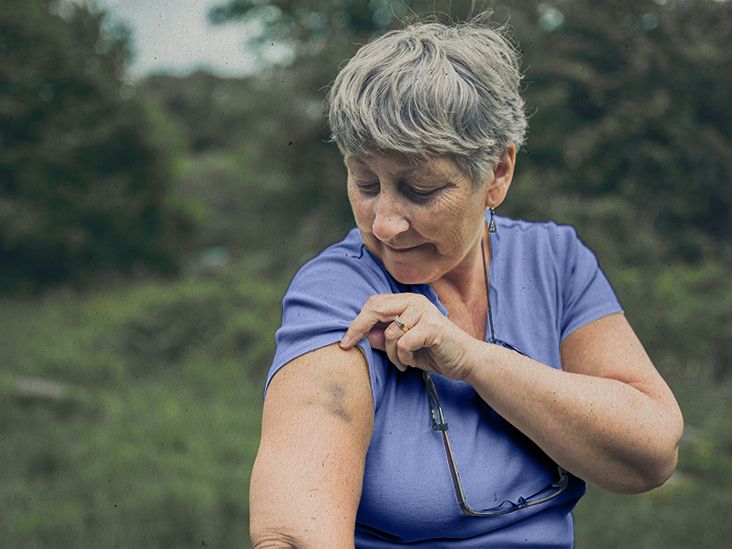

Medical note: This article is for educational purposes only. A suspected blood clot, especially with chest pain, shortness of breath, fainting, coughing blood, sudden weakness, or one-sided swelling, needs prompt medical evaluation. Please do not try to diagnose a clot at home with a search engine, a bathroom mirror, and optimism.
Introduction: Two Blood Problems That Look Similar but Behave Very Differently
A blood clot and a hematoma both involve blood doing something dramatic outside its usual routine. That is where the confusion begins. One may look like a bruise after you bumped your shin on the coffee table. The other may form inside a vein and silently create a medical emergency. Both can cause swelling, pain, warmth, or color changes. Both can appear after injury. Both can make a person wonder, “Is this normal, or is my leg auditioning for a medical textbook?”
The difference matters because a hematoma is usually a collection of blood outside a blood vessel, often after trauma, surgery, or a broken vessel. A blood clot, in the risky sense people usually mean, is a mass of blood that forms inside a blood vessel and may block circulation. A hematoma can be uncomfortable and sometimes serious, especially in the head, abdomen, or deep muscle. A clot inside a deep vein, known as deep vein thrombosis or DVT, can become life-threatening if part of it travels to the lungs and causes a pulmonary embolism.
This guide explains the practical differences between a blood clot and a hematoma, the symptoms that help tell them apart, when to seek medical help, and how to describe what you are seeing to a healthcare professional. The goal is not to turn you into your own emergency department. It is to help you recognize when a bruise is probably a bruise, when a lump needs attention, and when symptoms are waving a red flag so hard they might pull a muscle.
What Is a Blood Clot?
A blood clot is a gel-like mass made when platelets, proteins, and blood cells stick together. In normal healing, clotting is heroic. You get a cut, your body plugs the leak, and you do not turn a paper cut into a plumbing issue. The problem begins when clots form where they should not, grow too large, fail to dissolve, or travel to places where they block blood flow.
Blood clots can form in veins or arteries. Venous clots happen in vessels that carry blood back to the heart. The most commonly discussed venous clot is deep vein thrombosis, usually in the lower leg, thigh, pelvis, or sometimes the arm. Arterial clots happen in vessels that carry oxygen-rich blood away from the heart. These can be involved in heart attacks, strokes, or limb-threatening circulation problems.
Why a Blood Clot Can Be Dangerous
The danger is not just that a clot exists. The danger is location, size, and movement. A clot in a deep leg vein may block blood return, causing swelling and pain. If part of the clot breaks loose, it can travel through the bloodstream to the lungs. That is called a pulmonary embolism, and it can cause shortness of breath, chest pain, rapid heartbeat, fainting, and, in severe cases, death.
Blood clots are sneaky because symptoms are not always dramatic. Some people have clear swelling and pain. Others have mild discomfort or no obvious signs until complications appear. That is why context matters: recent surgery, long travel, immobilization, pregnancy, cancer, hormone therapy, smoking, obesity, inherited clotting conditions, and a prior clot history can raise the level of concern.
What Is a Hematoma?
A hematoma is a collection of blood outside blood vessels. It often happens after an injury breaks small or larger blood vessels, allowing blood to leak into nearby tissue. Think of it as a bruise with ambition. A simple bruise is usually caused by small vessels leaking under the skin. A hematoma may feel more raised, firm, rubbery, tender, or swollen because more blood has pooled in one area.
Hematomas can happen almost anywhere: under the skin, inside muscle, around joints, under a nail, after surgery, or in deeper spaces of the body. Many minor hematomas gradually shrink as the body reabsorbs the pooled blood. The color may shift from red or purple to blue, green, yellow, and brown, like a very unpleasant sunset. That color change is often part of normal healing.
When a Hematoma Is More Than a Bruise
Not every hematoma is harmless. A large hematoma can press on nearby tissues, nerves, or blood vessels. A hematoma after a head injury can be serious even when the scalp looks only mildly bruised. A deep muscle hematoma can cause significant pain, tightness, or limited movement. People who take blood thinners, aspirin, antiplatelet medicines, or have bleeding disorders may develop larger or more frequent hematomas after minor bumps.
A hematoma is not the same as a DVT. The pooled blood in a hematoma is outside a blood vessel. A DVT is a clot inside a deep vein. That distinction is the whole plot of this medical mystery novel, minus the detective with a dramatic hat.
Blood Clot vs Hematoma: The Main Differences
1. Location
A blood clot of concern usually forms inside a vein or artery. It may not be visible on the skin. A hematoma forms outside blood vessels, often in tissue under the skin or deeper in the body. It is often visible or felt as a swollen, bruised, tender area.
2. Cause
A hematoma commonly follows trauma: a fall, sports injury, surgery, injection, blood draw, or a hard bump. A blood clot may form after injury too, but it is also associated with slow blood flow, vein damage, clotting disorders, surgery, long immobility, pregnancy, estrogen-containing medications, cancer, infection, smoking, and some chronic illnesses.
3. Appearance
A hematoma often causes skin discoloration, swelling, and a lump. It may look purple, blue, black, green, or yellow as it heals. A deep blood clot may cause redness or discoloration, but it may also have no visible bruise at all. One swollen calf without an obvious injury is more suspicious for DVT than a colorful bruise exactly where you hit the furniture.
4. Pain Pattern
A hematoma usually hurts at the site of injury and may be tender when pressed. A DVT may cause cramping, aching, tightness, or tenderness in the calf, thigh, pelvis, or arm. DVT pain may feel like a muscle cramp that does not behave like a normal cramp. It may worsen with standing or walking, and the area may feel warm.
5. Risk Level
Most small hematomas improve with time, rest, ice, compression, and elevation when appropriate. Blood clots inside deep veins or arteries can be urgent because they may block circulation or travel to critical organs. This is why doctors take unexplained one-sided swelling seriously. Your body may be quiet, but your veins may be writing a strongly worded complaint.
Symptoms of a Blood Clot
Blood clot symptoms depend on where the clot forms. A clot in the leg does not behave like a clot in the lung, brain, or heart. The following symptoms deserve attention, especially if they appear suddenly, affect one side of the body, or occur after a risk event such as surgery, hospitalization, long travel, or prolonged bed rest.
Symptoms of Deep Vein Thrombosis
- Swelling in one leg or arm
- Pain, tenderness, aching, or cramping, often in the calf or thigh
- Warmth over the affected area
- Red, bluish, or unusual skin discoloration
- A heavy or tight feeling in the limb
- Pain that does not match a typical muscle strain
DVT can occur without obvious symptoms. It also does not always produce every classic sign. A person may have swelling without much pain, or discomfort without dramatic redness. That is why medical evaluation is important when symptoms are unexplained or risk factors are present.
Symptoms of Pulmonary Embolism
- Sudden shortness of breath
- Chest pain that may worsen with deep breathing or coughing
- Rapid or irregular heartbeat
- Coughing up blood
- Lightheadedness, fainting, or very low blood pressure
- Unexplained anxiety, sweating, or a sense that something is seriously wrong
Symptoms of pulmonary embolism require emergency care. This is not a “wait and see after lunch” situation. If breathing is difficult, chest pain is present, or fainting occurs, emergency evaluation is the safer choice.
Symptoms of Arterial Clots
Arterial clots can cause sudden, severe symptoms because arteries deliver oxygen-rich blood. Warning signs may include crushing chest pain, pain spreading to the jaw or arm, sudden weakness on one side, trouble speaking, sudden vision changes, severe headache, confusion, cold or pale limbs, numbness, or intense limb pain. These symptoms may signal a heart attack, stroke, or acute limb ischemia and need emergency care.
Symptoms of a Hematoma
Hematoma symptoms are usually more localized than blood clot symptoms. They often appear after a clear injury, though people on blood thinners or with fragile blood vessels may not remember the bump that caused it. The affected area may look dramatic while still being medically minor, because bruises have a flair for theater.
Common Hematoma Signs
- A swollen lump under the skin
- Blue, purple, red, black, green, yellow, or brown discoloration
- Tenderness at the injury site
- Firmness, tightness, or a rubbery feeling
- Mild warmth around the area
- Pain that improves gradually over days
- Limited movement if the hematoma is near a joint or inside muscle
When Hematoma Symptoms Are Concerning
Seek medical care if a hematoma grows rapidly, becomes extremely painful, causes numbness or weakness, limits movement, follows a head injury, appears after major trauma, or occurs with dizziness, confusion, vomiting, severe headache, or fainting. Also get checked if bruising appears without explanation, happens repeatedly, or comes with nosebleeds, bleeding gums, blood in urine, black stools, or unusual fatigue.
People taking anticoagulants or antiplatelet drugs should be extra cautious. These medicines are important and often lifesaving, but they can increase bruising and bleeding risk. Never stop prescribed blood thinners without medical guidance. Blood thinners are not casual accessories; they are more like complicated roommates that need rules.
How Doctors Tell the Difference
A healthcare professional will start with the story: when symptoms began, whether there was an injury, whether swelling is one-sided, what medications you take, and whether you have risk factors for clotting or bleeding. The physical exam may compare both legs or arms, check warmth and tenderness, inspect bruising, and look for signs of circulation or nerve problems.
Tests for a Suspected Blood Clot
If DVT is suspected, doctors commonly use ultrasound to look at blood flow and vein compression. Blood tests such as D-dimer may help in selected situations, though they are not perfect and must be interpreted with the whole clinical picture. If pulmonary embolism is suspected, imaging such as CT pulmonary angiography or a ventilation-perfusion scan may be used. Heart, brain, or arterial clot symptoms require urgent testing based on the location.
Tests for a Hematoma
A small surface hematoma may not need testing if the cause is obvious and symptoms are improving. Deeper or larger hematomas may require ultrasound, CT, MRI, or blood tests, especially after trauma, surgery, or in people taking blood thinners. Head injuries are treated with particular caution because bleeding inside the skull can be dangerous even when the outside injury looks unimpressive.
Risk Factors: Who Should Pay Closer Attention?
Anyone can develop a hematoma after injury, but some people bruise or bleed more easily. Risk factors include older age, thinner skin, blood thinners, aspirin or antiplatelet therapy, bleeding disorders, liver disease, heavy alcohol use, low platelets, and certain supplements or medications that affect bleeding.
Blood clot risk increases with prolonged immobility, recent surgery, hospitalization, injury to a vein, pregnancy or recent childbirth, estrogen-containing birth control or hormone therapy, cancer, obesity, smoking, older age, chronic inflammatory disease, heart conditions, inherited clotting disorders, and a personal or family history of clots. Long flights or car trips can add risk because sitting still slows blood flow in the legs.
The most important point is pattern recognition. A bruise after a known bump is usually less suspicious than one-sided leg swelling after surgery. A tender lump where you had a blood draw may be a small hematoma. Sudden shortness of breath after calf swelling is a medical emergency. Context turns symptoms into clues.
Home Care: What May Help a Minor Hematoma
For a small hematoma caused by a minor injury, basic self-care may help in the first day or two. Rest the area, apply a wrapped cold pack for short periods, elevate the limb when possible, and use gentle compression if recommended and comfortable. Do not wrap so tightly that the area becomes numb, cold, blue, or more painful. After the early swelling phase, some people use gentle warmth to support comfort, but avoid heat on a rapidly swelling injury.
Over-the-counter pain relievers may help, but people who take blood thinners or have bleeding risks should ask a clinician which medicines are safest. Aspirin and some anti-inflammatory drugs can increase bleeding risk for certain people. When in doubt, do not let your medicine cabinet improvise.
What Not to Do
Do not massage a suspected blood clot. Do not try to “break up” a lump yourself. Do not drain a hematoma at home. Do not ignore worsening swelling, severe pain, numbness, or symptoms after a head injury. And do not assume that every warm, swollen leg is a bruise just because bruises are less scary. The body occasionally files urgent paperwork without using bold font.
Treatment: Blood Clot vs Hematoma
Blood Clot Treatment
Treatment for a significant blood clot depends on the location and severity. Many venous clots are treated with anticoagulant medicines, often called blood thinners, which help prevent the clot from growing and reduce the risk of new clots. These medicines do not usually “melt” the clot instantly; the body gradually breaks it down while the medication reduces further danger.
In severe cases, doctors may use clot-dissolving medicines, catheter-based procedures, thrombectomy, or filters in selected patients who cannot take anticoagulants. Treatment duration varies. Some people need medication for a few months after a temporary risk factor, while others need longer-term prevention because of recurrent clots or ongoing risk.
Hematoma Treatment
Most minor hematomas are watched and allowed to heal. Larger or painful hematomas may need imaging, compression, monitoring, or drainage by a clinician. Hematomas in certain locations, such as the brain, ear, abdomen, or deep muscle compartments, may require urgent treatment because pressure can damage tissue or organs.
The treatment goals are different. For a blood clot, doctors focus on restoring or protecting circulation and preventing travel to the lungs, heart, or brain. For a hematoma, they focus on controlling bleeding, relieving pressure, preventing complications, and allowing the body to reabsorb pooled blood safely.
When to Seek Medical Help Immediately
Get emergency care if you have shortness of breath, chest pain, coughing blood, fainting, sudden weakness, trouble speaking, sudden vision changes, severe headache, confusion, a cold or pale limb, or sudden severe limb pain. These may indicate a pulmonary embolism, stroke, heart attack, or serious arterial blockage.
Call a healthcare professional promptly for one-sided leg or arm swelling, unexplained calf pain, warmth and redness without injury, a hematoma that grows quickly, severe pain after trauma, bruising after a head injury, repeated unexplained bruises, or any bruise accompanied by abnormal bleeding elsewhere.
A useful rule: if symptoms involve breathing, chest pain, brain function, fainting, or one-sided swelling without a clear injury, do not treat it like a mystery to solve later. Treat it like a reason to get medical help now.
Prevention Tips That Actually Make Sense
To reduce blood clot risk, move regularly during long trips, stand and walk after surgery when your care team allows it, stay hydrated, follow medical instructions after hospitalization, avoid smoking, manage chronic conditions, and discuss hormone-related risks with your clinician if you use birth control or hormone therapy. If you have a clotting history, ask what prevention plan applies to flights, surgery, pregnancy, or long immobility.
To reduce hematoma risk, use protective gear during sports, improve home lighting to prevent falls, review medications that increase bleeding risk with your clinician, and report unusual bruising. Older adults may benefit from fall-prevention strategies because thinner skin and fragile blood vessels make bruising more common.
Prevention is not glamorous, but neither is explaining to your doctor that the ottoman won another round. Small habits can lower risk, especially when you already have medical factors that make clotting or bleeding more likely.
Experience-Based Guide: What People Often Notice in Real Life
Many people first worry about the difference between a blood clot and a hematoma after something ordinary happens. Someone bumps a thigh against a desk and wakes up with a purple lump. Someone else takes a long flight, then notices one calf is swollen and sore. Both people may type the same worried question into a search bar, but their situations are not the same.
A typical minor hematoma story often starts with a clear “ouch” moment. The person remembers the injury. The area becomes tender, swollen, and colorful. Pressing on it hurts. Over several days, the color changes and the swelling slowly improves. The discomfort is local, meaning it stays near the bruise. It may look worse before it looks better, because bruises are basically nature’s ugly watercolor paintings. Still, the overall trend is gradual improvement.
A concerning clot story often feels less connected to a visible injury. A person may notice that one leg looks puffier than the other. The calf may feel tight, warm, heavy, or crampy. The skin may look red or slightly bluish, but there may be no big bruise. The person might think it is a pulled muscle, except stretching does not fix it and the swelling is oddly one-sided. If that person recently had surgery, sat for many hours, was hospitalized, started estrogen therapy, is pregnant or postpartum, has cancer, or previously had a clot, the concern rises.
Another real-world challenge is that hematomas and clots can overlap in confusing ways. After surgery or trauma, a person can have bruising and also be at higher risk for DVT because of immobility and tissue injury. A bruised leg does not automatically rule out a clot. Likewise, swelling after an injury does not always mean a dangerous clot. This is why clinicians ask about timing, location, risk factors, and whether symptoms are improving or worsening.
People on blood thinners often have a different experience. They may develop large bruises from small bumps, or a blood draw may leave a firm, tender lump. That can be frightening. In many cases, the body reabsorbs the blood, but medical advice is important if the hematoma expands, pain becomes severe, or bleeding appears elsewhere. Blood thinners reduce dangerous clotting risk, but they also make bleeding easier. They are useful, powerful, and not interested in being ignored.
Parents, caregivers, and older adults often face another scenario: a fall followed by bruising. A small bruise on the hip or arm may be straightforward, but head injury changes the equation. Confusion, sleepiness, vomiting, worsening headache, weakness, or behavior changes after a fall should be treated seriously. A person can have internal bleeding without a dramatic external bruise.
The most helpful experience-based lesson is to watch the pattern, not just the color. A bruise with a known cause that slowly fades is usually less alarming. One-sided swelling, unexplained warmth, calf pain, chest pain, shortness of breath, or neurological symptoms deserve medical attention. Your skin may show a hematoma, but your circulation tells the bigger story.
Conclusion: Do Not Panic, but Do Not Guess
A blood clot and a hematoma can both involve pain, swelling, and color changes, but they are not the same problem. A hematoma is pooled blood outside a vessel, often after an injury. A dangerous blood clot forms inside a vein or artery and may block blood flow or travel to the lungs, heart, or brain.
The safest approach is practical: connect symptoms to context. Did you have a clear injury? Is the bruise improving? Is swelling one-sided and unexplained? Are there clot risk factors? Are there emergency symptoms such as chest pain, shortness of breath, fainting, or sudden weakness? These questions help separate “annoying bruise” from “call a doctor now.”
Most minor hematomas heal with time and sensible care. Suspected blood clots require medical evaluation because waiting can be dangerous. When the body sends mixed signals, it is better to ask for help than to negotiate with your calf in the mirror.


