
Note: This article is for general education and cannot diagnose a skin condition. Seek urgent medical care for trouble breathing, swelling of the face or throat, or a rapidly spreading rash with severe symptoms.
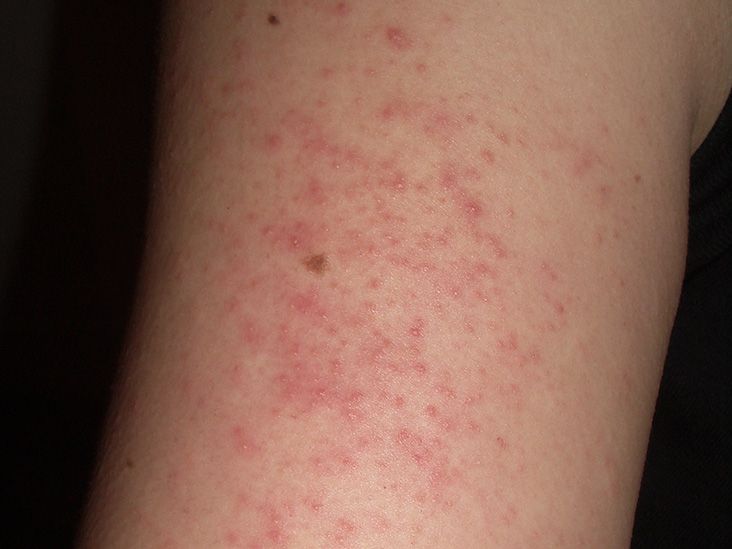
Those tiny bumps on your arms can feel like your skin secretly replaced itself with a plucked chicken. Before you declare war on your shower loofah, take a breath: many arm bumps are harmless, especially the common condition called keratosis pilaris. Still, not every rough patch or red bump is the same. Folliculitis, eczema, contact dermatitis, hives, insect bites, shaving irritation, and sun-related skin changes can all make an appearance on the upper arms or forearms.
The good news is that most causes of bumps on arms are manageable once you understand the pattern. The less-good news is that aggressively scrubbing, picking, or using every acid in your bathroom cabinet at once can make irritated skin throw a tiny rebellion. Here is how to recognize keratosis pilaris, consider other possibilities, and know when it is time to call a healthcare professional.
What Are the Tiny Bumps on Your Arms?
Arm bumps can look similar from a distance, but their details matter. Ask yourself a few simple questions: Are the bumps rough or smooth? Do they itch, hurt, burn, or contain pus? Did they appear gradually or overnight? Are they linked to shaving, a new lotion, hot weather, exercise, or time outdoors?
- Rough, dry, sandpaper-like bumps: Often keratosis pilaris.
- Red, tender, pimple-like bumps: Could be folliculitis or acne.
- Very itchy bumps with dry or scaly skin: Could point to eczema or contact dermatitis.
- Raised welts that come and go: May be hives.
- Single persistent scaly, bleeding, crusty, or changing spot: Needs medical evaluation.
Skin color can also change how bumps appear. In lighter skin, inflammation may look pink or red. In deeper skin tones, irritated areas may appear darker brown, purple, gray, or subtly raised rather than obviously red. That is one reason texture, itch, timing, and location can be just as useful as color when sorting out a rash.
Keratosis Pilaris: The Most Common “Chicken Skin” Explanation
What keratosis pilaris looks and feels like
Keratosis pilaris, often shortened to KP, causes clusters of tiny, firm bumps around hair follicles. They are commonly found on the backs of the upper arms, the fronts of the thighs, buttocks, and sometimes the cheeks. The skin may feel dry, rough, or like very fine sandpaper. Some people call it “chicken skin,” while others say it looks like permanent goosebumps that forgot to leave after the scary movie ended.
These bumps develop when keratin, a natural skin protein, builds up and forms plugs in hair follicles. KP is harmless, not contagious, and usually does not cause significant pain. It may be mildly itchy, especially when the skin is dry or irritated.
Why does keratosis pilaris happen?
There is no single villain behind KP. It often runs in families and is more common in people with dry skin or atopic dermatitis, also called eczema. Many people notice that the bumps become more obvious during cold, dry weather and less noticeable when humidity rises. Hormonal changes can also make KP seem more dramatic during childhood, adolescence, or pregnancy.
Keratosis pilaris is not caused by poor hygiene, dirty pores, or a lack of showering. In fact, too much cleansing or vigorous exfoliation may worsen dryness and inflammation. Your skin is not asking to be sandblasted; it is asking for a calmer routine.
Does keratosis pilaris go away?
KP may improve gradually with age, and many people find that it fades over time. However, it can also be persistent or return when treatment stops. The realistic goal is usually smoother, more comfortable skin rather than a magical overnight disappearance. Skin has its own schedule, and unfortunately it does not accept calendar invitations.
Other Causes of Bumps on Arms
Folliculitis
Folliculitis happens when hair follicles become inflamed or infected. It often looks more like a sudden breakout than KP: red or darker-colored bumps, sometimes with a white tip, tenderness, itchiness, or mild pain. Sweat, friction, tight clothing, shaving, hot tubs, and bacteria can all contribute. Unlike the dry, uniform texture of KP, folliculitis tends to look more inflamed and pimple-like.
Do not squeeze or pick at suspected folliculitis. Keep the area clean, avoid tight clothing, and pause shaving if that seems to trigger the bumps. Contact a clinician if there is spreading redness, significant pain, pus, fever, or no improvement.
Eczema and dry-skin irritation
Eczema can cause dry, itchy, inflamed skin with small raised bumps. Scratching may lead to raw skin, crusting, thickened patches, or dark marks after the rash improves. The upper arms are not the most classic location for every form of eczema, but eczema can occur nearly anywhere and often overlaps with very dry skin or keratosis pilaris.
When itch is the main character in the story, eczema deserves a closer look. Fragrance-free moisturizers, shorter lukewarm showers, and avoiding harsh soaps can help support the skin barrier. A clinician may recommend prescription treatment when symptoms are frequent, painful, infected, or disruptive to sleep.
Contact dermatitis
Did the bumps show up after using a new body wash, detergent, perfume, sunscreen, laundry additive, bracelet, athletic sleeve, plant-based product, or cleaning spray? Contact dermatitis may be the culprit. It is an itchy rash caused by direct irritation or an allergic reaction to something touching the skin.
Contact dermatitis can cause redness or discoloration, swelling, itching, bumps, blisters, oozing, and crusting. The pattern often matches where the trigger touched the skin. A rash under a watchband, along the edge of a shirt sleeve, or after a new lotion is a useful clue.
Hives, insect bites, and heat-related bumps
Hives are raised, itchy welts that may appear quickly, change shape, move around, and fade within hours. They can be triggered by infections, medications, foods, heat, exercise, pressure, or sometimes no obvious cause at all. Insect bites, meanwhile, often create grouped itchy bumps, especially after time outdoors.
Hives can be annoying but become urgent when they occur with swelling of the lips, mouth, tongue, or throat; wheezing; trouble breathing; faintness; or difficulty swallowing. Those symptoms may signal a serious allergic reaction and require emergency care.
Shaving bumps and ingrown hairs
Shaving irritation can cause itchy or painful bumps when hairs curl back into the skin or when the skin becomes inflamed after shaving. This is more common in areas with thicker hair, but it can happen wherever someone shaves. Shaving with the direction of hair growth, using a clean razor, using shaving cream, and avoiding repeated passes over the same area can reduce irritation.
Sun-related rough spots and concerning skin changes
Not every rough bump is KP. A single rough, scaly patch that persists, grows, bleeds, crusts, hurts, or fails to heal should be examined by a healthcare professional. Sun-related changes such as actinic keratosis and some skin cancers may appear as persistent scaly or raised areas, particularly on sun-exposed skin.
Also pay attention to a new or changing mole or pigmented bump. The ABCDE guide can help: asymmetry, irregular border, uneven color, increasing diameter, and evolving appearance. A skin professional should evaluate anything that looks different from your usual spots or changes over weeks or months.
How to Treat Keratosis Pilaris on the Arms
There is no universal “erase KP forever” button, but a consistent routine can reduce roughness and make bumps less noticeable. The best approach is gentle, boring, and surprisingly effective. Skin care does not always need dramatic music.
1. Moisturize right after bathing
Apply a thick, fragrance-free cream or lotion while the skin is still slightly damp, ideally within a few minutes after showering. Look for moisturizers containing ingredients such as urea or lactic acid if your skin tolerates them. These can soften dry skin while helping loosen built-up dead skin cells.
2. Use chemical exfoliants carefully
Products containing urea, lactic acid, glycolic acid, salicylic acid, or other alpha hydroxy acids may improve KP texture over time. Start slowly, especially if you have sensitive skin, eczema, or a history of irritation. Use one active product at a time and follow the label directions. More is not better when your arm is already sending angry little bumps.
Topical retinoids may also be used in some cases under medical guidance. They can irritate and dry the skin, and people who are pregnant or nursing should discuss any retinoid treatment with a clinician before using it.
3. Skip aggressive scrubbing
Gentle exfoliation can be useful, but harsh scrubs, rough brushes, frequent peeling tools, and picking at bumps can worsen redness and leave dark marks or scars. If you use a washcloth or soft exfoliating tool, use light pressure and do not treat your arms like they owe you money.
4. Reduce dryness and friction
Take lukewarm rather than very hot showers, choose mild fragrance-free cleansers, and avoid tight or scratchy fabrics when the skin is irritated. Soft breathable clothing can reduce friction, sweat trapping, and redness. If winter makes your KP worse, consider adding an extra moisturizer application during the day.
5. Give the routine time
KP does not usually transform after one application of lotion. Improvement often takes weeks of regular care. If a product stings, burns, causes peeling, or leaves your skin increasingly red, stop using it and switch to a simple moisturizer until the skin settles.
When Should You See a Doctor for Bumps on Your Arms?
Make an appointment with a dermatologist or healthcare professional when the bumps are painful, filled with pus, rapidly spreading, associated with fever, or leaving scars. You should also seek care if a rash is severely itchy, affects sleep, does not improve with gentle self-care, or appears after starting a medication.
Get prompt medical evaluation for a bump that bleeds, crusts, changes color or shape, becomes a nonhealing sore, or looks very different from your other spots. And seek emergency help immediately for hives or a rash combined with breathing difficulty, throat tightness, trouble swallowing, or swelling of the face, mouth, or tongue.
Experiences With Arm Bumps: What People Commonly Notice
The following examples are educational composite experiences, not individual medical diagnoses or personal testimonials.
Many people first notice keratosis pilaris while getting dressed in bright bathroom lighting, which has a remarkable talent for turning normal skin texture into a full investigative documentary. They may spot tiny bumps on the backs of their upper arms and assume they are acne. Then they try a strong acne wash, scrub enthusiastically for several days, and wonder why the bumps become redder, drier, and even more determined to stay.
A common turning point is realizing that KP responds better to consistency than aggression. People often report that the routine becomes much simpler once they stop chasing a miracle product. Instead of rotating through five exfoliants, they use a gentle cleanser, a moisturizer after showering, and one chemical exfoliant a few nights a week. The changes may be gradual, but smoother texture and less visible redness can be encouraging.
Seasonal patterns are another frequent theme. Someone may barely notice their upper-arm bumps in humid summer weather, then suddenly feel as though their arms have developed a crunchy sweater by midwinter. Indoor heating, hot showers, dry air, and thicker clothing can all make skin feel rougher. Adding a richer cream and shortening shower time may help more than buying a cabinet full of expensive gadgets.
Some people discover that their “KP” behaves differently from classic keratosis pilaris. The bumps may be sore, have white centers, or appear after workouts and tight athletic clothing. In that situation, folliculitis becomes more likely than KP. Others notice intense itching after switching laundry detergent, using a new scented body oil, or wearing a metal bracelet. Those experiences can point toward contact dermatitis rather than a permanent skin texture issue.
There is also an emotional side to arm bumps that deserves more respect than it usually gets. People may avoid sleeveless shirts, feel self-conscious at the pool, or become frustrated when skin-care social media promises glass-smooth arms by Tuesday. It helps to remember that KP is extremely common and harmless. Having texture is not a personal failure, and it does not mean you are “doing skin care wrong.”
The most useful experience-based lesson is often this: observe before reacting. Notice whether the bumps are rough or painful, stable or spreading, itchy or not itchy, and whether they connect with a new product, shaving habit, workout routine, medication, or season. A few notes and photos taken over time can make a dermatologist visit far more productive. Your skin may not speak English, but it is usually trying very hard to provide clues.
Final Takeaway
Keratosis pilaris is one of the most common explanations for rough bumps on arms, especially when the bumps are small, dry, uniform, and sandpaper-like. It is harmless, often hereditary, and usually manageable with gentle exfoliation, regular moisturizing, and patience.
However, red painful bumps, sudden itchy welts, blisters, pus, persistent scaly spots, or changing lesions deserve a closer look. The goal is not to panic over every bump. It is to recognize the difference between ordinary skin texture and a change that needs professional attention.
SEO Metadata


