
Note: This article is based on real renovation guidance synthesized from reputable U.S. home-improvement, tile-industry, manufacturer, and maintenance sources, including Bob Vila, TCNA, The Home Depot, Lowe’s, Floor & Decor, Daltile, the Natural Stone Institute, and the Ceramic Tile Education Foundation.
Tile is one of those renovation materials that looks simple until you actually start shopping. Suddenly, you are standing in an aisle surrounded by ceramic, porcelain, glass, stone, cement, matte finishes, glossy finishes, subway shapes, mosaics, large-format slabs, and at least one sample board that somehow costs more than your first car payment. Welcome to the wonderfully dramatic world of tile.
The good news? Choosing the right tile does not require a design degree, a contractor’s license, or a spiritual retreat in the flooring department. You only need to understand how different tile materials behave in real life. Some are budget-friendly workhorses. Some are elegant divas. Some shine beautifully on a backsplash but would absolutely hate being stomped on by muddy sneakers.
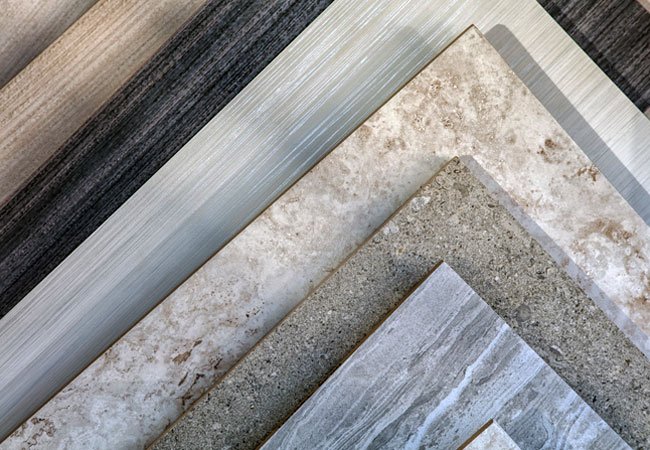
In this guide, we will walk through five popular types of tile to consider for your next renovation: ceramic, porcelain, glass, natural stone, and cement or quarry-style tile. Each one has its own personality, price range, maintenance level, and best-use zone. Think of this as tile matchmakingbecause your shower floor and your kitchen backsplash are not looking for the same partner.
Why Tile Choice Matters More Than You Think
Tile is not just decoration. It is a surface that has to survive water, foot traffic, soap, cooking splatter, pet paws, dropped shampoo bottles, chair legs, and the occasional “oops, I dropped the cast-iron skillet” moment. The wrong tile in the wrong place can crack, stain, become slippery, or require more maintenance than anyone wants from something attached permanently to the house.
Before choosing tile, consider the room, moisture exposure, slip resistance, installation difficulty, cleaning routine, and long-term style. A tile that looks stunning in a showroom may be a maintenance headache in a busy family kitchen. On the other hand, a simple ceramic subway tile may quietly deliver years of beauty without acting like a celebrity on a green juice cleanse.
Porcelain tile, for example, is technically a type of ceramic tile, but it is denser and defined in the tile industry by a water absorption rate of 0.5 percent or less, making it especially useful in wet and high-traffic areas. Natural stone, meanwhile, offers unmatched natural variation but usually needs sealing and gentler cleaners to stay beautiful.
1. Ceramic Tile: The Reliable Renovation Classic
What Is Ceramic Tile?
Ceramic tile is made from clay that is shaped, fired, and often glazed. It is one of the most common tile materials in American homes, and for good reason: it is affordable, versatile, widely available, and easy to style. Ceramic tile can look traditional, modern, rustic, colorful, minimalist, or charmingly old-school depending on the shape, glaze, and layout.
If tile had a friendly neighbor who always returns your ladder and waves from the driveway, ceramic would be it.
Best Places to Use Ceramic Tile
Ceramic tile works well for kitchen backsplashes, bathroom walls, laundry room walls, powder rooms, fireplace surrounds, and many light-to-moderate floor applications. Glazed ceramic is especially popular for walls because it is easy to wipe clean and comes in endless colors and patterns.
For floors, always check the manufacturer’s rating. Not every ceramic tile is designed to handle foot traffic. Some wall tiles are too thin or too slick for floors, and using them underfoot can create a renovation plot twist nobody asked for.
Pros of Ceramic Tile
Ceramic tile is usually more budget-friendly than porcelain, natural stone, and glass. It is also easier to cut than porcelain, which can make installation simpler for experienced DIYers. Its design options are nearly endless, from white subway tile to patterned squares, handmade-look zellige styles, and glossy jewel tones.
Cons of Ceramic Tile
Ceramic tile is generally more porous and less dense than porcelain, so it is not always the best choice for outdoor spaces, constantly wet areas, or heavy-traffic floors. Chips can also be more noticeable if the tile body underneath is a different color from the glaze.
Best for: backsplashes, bathroom walls, budget-conscious renovations, decorative accents, and low-to-moderate traffic areas.
2. Porcelain Tile: The Tough, Stylish Overachiever
What Is Porcelain Tile?
Porcelain tile is a dense, durable form of ceramic tile made from refined clay and fired at high temperatures. In North American tile standards, porcelain is identified by its extremely low water absorption rate0.5 percent or less. That technical detail may sound dry, but it is exactly why porcelain is a superstar in bathrooms, kitchens, laundry rooms, entryways, patios, and other areas where water or wear is part of daily life.
Porcelain is the tile equivalent of a friend who hikes mountains, meal-preps, owns a label maker, and somehow still has perfect hair.
Best Places to Use Porcelain Tile
Porcelain tile is excellent for floors, shower walls, bathroom floors, kitchen floors, mudrooms, laundry rooms, and even some outdoor applications when the product is rated for exterior use. It can mimic marble, limestone, concrete, terrazzo, wood planks, handmade tile, and other premium materials without requiring the same level of maintenance.
Large-format porcelain tile is especially popular in modern renovations because fewer grout lines can create a cleaner, more seamless appearance. That said, large-format tile demands a very flat substrate and careful installation. A 24-by-48-inch tile does not politely forgive a wavy floor.
Pros of Porcelain Tile
Porcelain is highly durable, water-resistant, stain-resistant, and suitable for busy homes. It is a smart choice for families, pets, wet rooms, and high-traffic spaces. It also offers one of the best style-to-maintenance ratios in the tile world, especially when compared with natural marble or cement tile.
Cons of Porcelain Tile
Porcelain can be more expensive than standard ceramic, and because it is dense and hard, it can be more difficult to cut. DIY installation is possible, but the right tools matter. If you plan to install large-format porcelain tile or tile in a shower, professional installation may save you from expensive mistakes and some very colorful language.
Best for: bathrooms, kitchens, entryways, laundry rooms, high-traffic floors, shower walls, and low-maintenance luxury looks.
3. Glass Tile: The Light-Bouncing Showoff
What Is Glass Tile?
Glass tile is exactly what it sounds like: tile made from glass, often used in mosaics, subway shapes, accent strips, and decorative backsplashes. It reflects light beautifully, making small kitchens and bathrooms feel brighter and more open. If ceramic is the practical neighbor and porcelain is the overachiever, glass tile is the friend who arrives at brunch wearing sunglasses indoorsand somehow pulls it off.
Best Places to Use Glass Tile
Glass tile shines on kitchen backsplashes, bathroom walls, shower accent bands, niches, vanity walls, and decorative features. It is nonporous, which helps resist stains, but it also shows smudges, water spots, and installation flaws more easily than some other materials.
Glass is generally not the best choice for high-traffic floors unless the specific product is rated for floor use. Many glass tiles are better suited to vertical surfaces where they can sparkle without being punished by shoes, furniture, and dropped tools.
Installation Considerations
Glass tile installation requires extra care. The Ceramic Tile Education Foundation notes that glass tile is not a one-size-fits-all material and requires proper bonding materials, substrate preparation, support, and movement accommodation to reduce cracking risk. Because glass can be translucent, adhesive color and trowel marks may show through if installation is sloppy.
Pros of Glass Tile
Glass tile is luminous, stain-resistant, modern, and available in dazzling colors. It can make a backsplash look custom even when used in a simple layout. It is also a great way to add visual interest without tiling an entire room in a bold material.
Cons of Glass Tile
Glass tile can be expensive, tricky to cut, and unforgiving during installation. It may scratch more easily than ceramic or porcelain, and it can show fingerprints, soap residue, and water spots. Basically, glass tile is beautifulbut it does enjoy being admired and wiped down.
Best for: kitchen backsplashes, bathroom feature walls, shower niches, accent borders, and bright decorative surfaces.
4. Natural Stone Tile: The Elegant Original
What Is Natural Stone Tile?
Natural stone tile is cut from real stone, including marble, granite, slate, travertine, limestone, and quartzite. No two pieces are exactly alike, which gives stone its rich, organic beauty. The veining in marble, the texture of slate, the warmth of travertinethese are not printed patterns. They are nature showing off after millions of years of geological patience.
Best Places to Use Natural Stone Tile
Natural stone can be used for bathroom floors, shower walls, kitchen floors, fireplace surrounds, entryways, patios, and accent walls, depending on the stone type and finish. Slate can work well in rustic or textured floor designs. Marble is beloved for bathrooms and elegant spaces. Granite is tough and heat-resistant. Travertine brings a warm Mediterranean look.
However, natural stone is not always a “set it and forget it” material. Many stones are porous and need sealing to help protect against staining. Daltile strongly recommends sealing stone, especially newly installed marble, granite, and limestone, for maximum stain protection. The Natural Stone Institute also recommends neutral cleaners, stone soap, or mild dish detergent with warm water rather than harsh or acidic cleaners.
Pros of Natural Stone Tile
Natural stone offers timeless beauty, unique variation, and strong resale appeal when used thoughtfully. It can make a bathroom feel spa-like, a foyer feel grand, or a fireplace wall look like it belongs in a mountain lodge where someone definitely owns excellent wool socks.
Cons of Natural Stone Tile
Stone costs more than many ceramic and porcelain options, and installation can be more demanding. It often requires sealing, specific cleaners, and attention to staining or etching. Marble, for example, can react poorly to acidic substances. Travertine and limestone can be softer and more porous. Textured stone may also be harder to clean in showers.
Best for: luxury bathrooms, fireplace surrounds, statement floors, entryways, accent walls, and homeowners who appreciate natural variation and are willing to maintain it.
5. Cement and Quarry-Style Tile: Pattern, Personality, and Old-School Muscle
What Is Cement Tile?
Cement tile is typically made with cement, pigments, and mineral powders rather than fired clay. It is known for bold patterns, matte surfaces, and a handcrafted appearance. Cement tile can turn a powder room, laundry room, mudroom, or backsplash into a design moment. It is the tile that says, “Yes, I own patterned socks, and yes, they are fabulous.”
What Is Quarry Tile?
Quarry tile is made from natural clay or shale and fired at high temperatures. It is often unglazed, dense, durable, and associated with commercial kitchens, patios, mudrooms, and rustic floors. Bob Vila’s tile guide highlights quarry tile as one of the five renovation-worthy options because of its toughness and earthy character.
Best Places to Use Cement and Quarry Tile
Cement tile is best used where pattern matters and the homeowner understands the maintenance commitment. It can be stunning on bathroom floors, laundry room floors, kitchen backsplashes, and feature walls. Quarry tile works well in mudrooms, sunrooms, patios, kitchens, and utility spaces where durability and traction are priorities.
Both materials require careful product selection. Cement tile is porous and usually needs sealing. Quarry tile can be durable and slip-resistant, but not every quarry tile is appropriate for every wet or outdoor application. Always check manufacturer specifications before buying.
Pros of Cement and Quarry Tile
Cement tile brings bold pattern and handmade charm. Quarry tile brings durability, grip, and a classic utilitarian feel. Both can add character that feels more permanent and architectural than a simple painted accent wall.
Cons of Cement and Quarry Tile
Cement tile can stain if not sealed properly, and its patterns may feel visually busy in large areas. Quarry tile has a more rustic look that may not suit sleek modern interiors. Both can require more planning than standard ceramic tile.
Best for: patterned floors, mudrooms, laundry rooms, rustic kitchens, patios, utility spaces, and statement areas where texture or personality matters.
How to Choose the Right Tile for Each Room
For Bathrooms
Bathrooms need tile that handles moisture, cleaning products, and slip concerns. Porcelain is often the safest all-around choice for bathroom floors and shower walls because of its durability and low water absorption. Ceramic works beautifully on walls and backsplashes. Natural stone can be gorgeous, but it needs sealing and careful cleaning. Glass is best used as an accent or wall material rather than a main floor surface.
For Kitchens
Kitchen floors need strength, stain resistance, and easy cleaning. Porcelain tile is a dependable pick for busy kitchens. Ceramic tile is excellent for backsplashes and can work on floors if rated properly. Glass tile adds shine behind the range or sink, but be prepared to wipe away splatter. Natural stone can look spectacular but may require more upkeep, especially around oils, wine, coffee, and acidic foods.
For Entryways and Mudrooms
Entryways and mudrooms deal with grit, water, shoes, pets, and weather. Porcelain tile is a strong choice here. Quarry tile can also be excellent if the style fits the home. Look for texture and slip resistance rather than choosing the shiniest tile in the store. A glossy floor in a wet entryway can become a tiny indoor ice rink, minus the fun music.
For Backsplashes
Backsplashes are where you can have more fun. Ceramic, glass, porcelain, natural stone, and cement tile can all work depending on your maintenance expectations. For the lowest maintenance, ceramic and porcelain are hard to beat. For drama, glass and patterned cement tile can make a strong statement. For timeless elegance, marble or limestone may be worth the extra care.
Tile Buying Tips Before You Commit
Order Samples First
Tile can look completely different under store lighting than it does in your home. Order samples and view them in daylight, evening light, and next to cabinets, counters, paint, and fixtures.
Check the Tile Rating
Make sure the tile is approved for the intended use: wall, floor, shower, exterior, or commercial traffic. Lowe’s tile buying guidance emphasizes checking tile application, porosity, and ratings before choosing a product.
Think About Grout
Grout color changes everything. Matching grout creates a seamless look. Contrasting grout highlights the tile pattern. Darker grout may hide stains better, especially in kitchens and mudrooms.
Buy Extra Tile
Always buy extra tile for cuts, breakage, pattern matching, and future repairs. A common rule is to order about 10 percent extra for simple layouts and more for diagonal patterns, mosaics, or rooms with lots of corners.
Do Not Ignore Installation
The most beautiful tile can fail if installed over a poor substrate. Tile needs a flat, stable, properly prepared surface. Wet areas require waterproofing, not just tile and grout. Grout is not a magic force field. It is grout.
Renovation Experiences: What Real Tile Projects Teach You
After looking at enough tile projects, one lesson becomes clear: the tile itself is only half the story. The other half is planning. Homeowners often fall in love with a tile first and ask practical questions later. That is how people end up with a gorgeous marble shower that requires more pampering than a prize-winning poodle, or a glossy bathroom floor that turns every post-shower step into a suspense scene.
One useful experience is to choose tile based on lifestyle, not just style. A polished stone floor may look incredible in a magazine, but if you have kids, pets, muddy shoes, and a schedule that does not include weekly stone maintenance, porcelain with a stone-look finish may be the wiser move. You still get the upscale look, but without needing to treat every orange juice spill like a national emergency.
Another real-world lesson: grout lines matter. Small mosaic tiles can be beautiful and slip-resistant, especially on shower floors, but they also mean more grout to clean. Large-format tile creates a sleek appearance with fewer grout joints, but it requires flatter walls and floors. If the substrate is uneven, big tiles can create lippage, which is the fancy tile word for “why does my floor have tiny speed bumps?”
Backsplashes teach a different lesson. This is often the safest place to take a design risk. A bold green ceramic tile, shimmering glass mosaic, or patterned cement tile may feel too intense for an entire kitchen floor, but it can look fantastic between counters and cabinets. The backsplash is like jewelry for the kitchen: noticeable, expressive, and much easier to change than flooring if your taste evolves.
Bathrooms require the most discipline. It is tempting to pick the prettiest tile and call it a day, but wet areas need technical thinking. Is the tile rated for shower use? Is the floor tile slip-resistant? Does the stone need sealing? Will the grout color show mildew or soap residue? Does the installer understand waterproofing? A bathroom renovation should not rely on hope, because hope is not listed in any tile installation manual.
One of the smartest things you can do before buying is create a small sample board. Place the tile next to grout swatches, paint colors, metal finishes, vanity materials, and countertop samples. Look at everything together. A tile that seems warm in the store may turn oddly yellow beside your countertop. A gray tile may suddenly look blue under LED lighting. Tile has moods. Respect them.
Finally, remember that timeless does not have to mean boring. A simple porcelain floor can be paired with a handmade-look ceramic shower wall. A classic subway backsplash can feel fresh with vertical stacking or a soft sage glaze. A natural stone fireplace surround can balance modern furniture. The best tile renovation is not the trendiest oneit is the one that fits the room, survives daily life, and still makes you smile when you walk in with coffee in hand.
Conclusion: The Best Tile Is the One That Fits the Job
There is no single best type of tile for every renovation. Ceramic tile is affordable, versatile, and perfect for many walls and backsplashes. Porcelain tile is durable, water-resistant, and ideal for high-traffic or wet areas. Glass tile adds light and sparkle, especially on vertical surfaces. Natural stone delivers organic beauty but asks for sealing and careful maintenance. Cement and quarry-style tiles bring pattern, texture, and character, but they require thoughtful placement.
The secret is not choosing the most expensive tile. It is choosing the right tile for the right surface. A hardworking mudroom, a steamy shower, a splashy kitchen backsplash, and a formal entryway all have different needs. Match the material to the room, respect the maintenance requirements, and do not forget the grout. Tile may be hard, but your renovation decisions do not have to be.


