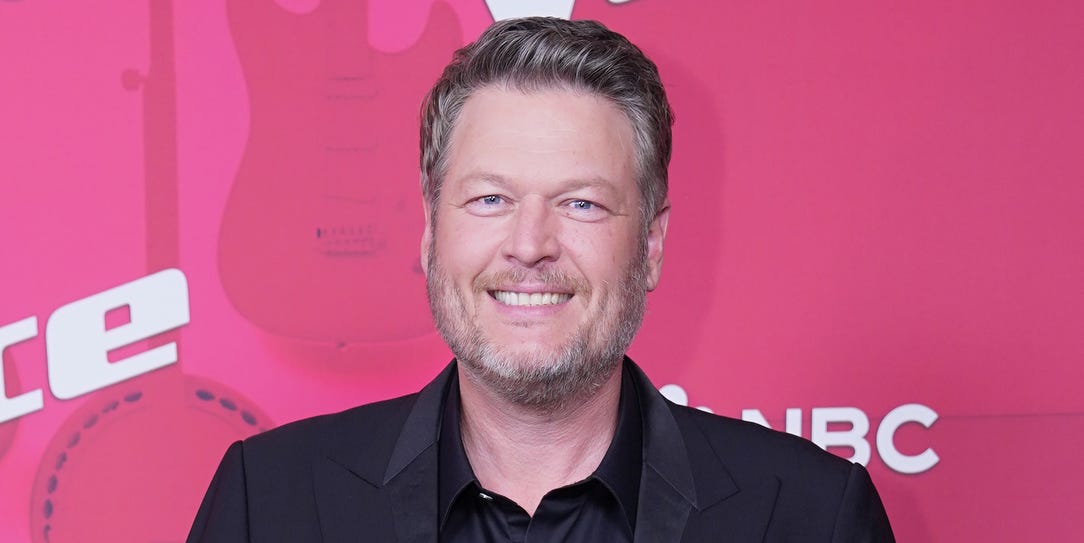

Blake Shelton spent more than two decades proving that a cowboy hat, a quick comeback, and a strategically raised eyebrow could carry a television franchise. After leaving The Voice, however, the country star appeared ready to trade spinning red chairs for family time, farming, touring, and the occasional social media joke.
Then Shelton posted an Instagram teaser revealing a major career move: he was returning to television with The Road, a CBS music competition developed with Yellowstone creator Taylor Sheridan. The short promotional clip announced that the search for America’s next major musician would begin on CBS and Paramount+ in fall 2025.
The announcement was brief, but it answered a question fans had been asking since Shelton left The Voice: Was he truly finished with music competition television, or did he simply need a different kind of show? As it turned out, Shelton was not abandoning the genre. He was rebuilding it around live venues, tour buses, original songs, demanding audiences, and the kind of exhaustion that cannot be fixed by pressing a giant red button.
What Blake Shelton Revealed in His Instagram Post
On March 27, 2025, Shelton shared a teaser for The Road with his Instagram followers. The accompanying message explained that the journey to discover the next breakthrough musician would begin that fall on CBS and Paramount+.
The post did not arrive with a lengthy explanation, a dramatic personal essay, or a 14-slide carousel beginning with “I have something to tell you.” It was a straightforward television teaser designed to create curiosity. For Shelton’s fans, though, the significance was obvious. This was his first major return to the music competition world following his departure from The Voice in May 2023.
Some viewers initially wondered whether Shelton might be returning to his old NBC series. Instead, the Instagram announcement pointed toward a fresh format on a different network. Rather than reclaiming his familiar coach’s chair, he would work as a creator, executive producer, mentor, and on-screen personality.
That distinction matters. Shelton was not simply accepting another judging job. He was helping shape a show built around his own experience as a country artist who spent years traveling from one venue to another before becoming a household name.
What Is The Road?
The Road follows 12 emerging musicians as they compete for the opportunity to continue opening for country superstar Keith Urban at venues across the United States. Instead of performing each week on the same polished soundstage, contestants travel, rehearse, live together, manage fatigue, and attempt to win over real concert audiences.
The artists perform original music and covers in working music venues. Their performances are evaluated by Urban, Shelton, Taylor Sheridan, tour manager Gretchen Wilson, visiting country stars, and members of the live audience. Contestants who fail to make a strong connection may not advance to the next city.
In other words, a singer cannot rely only on one spectacular high note, a heartbreaking backstory, or an outfit with enough fringe to cause a minor weather event. The format tests whether an artist can repeatedly command a room while dealing with the practical realities of touring.
A Competition Built Around Real Touring Conditions
The central idea is simple: performing in a television studio is not the same as building a career on the road. A studio contestant may sing for a few minutes and return to a hotel. A touring musician may sleep badly, travel for hours, complete soundcheck, promote the show, meet fans, solve technical problems, and still be expected to deliver an unforgettable performance that evening.
The Road turns those challenges into part of the competition. The tour bus is not merely transportation; it is practically another cast member, presumably one that smells faintly of coffee, guitar strings, and poor decisions made after midnight.
Why Blake Shelton’s Career Move Made Sense
Shelton appeared on all 23 of his seasons of The Voice before stepping away. During that run, nine artists from his team won the competition, making him the show’s most successful coach at the time of his departure.
His decision to leave was not presented as a dramatic breakup with NBC. Shelton said he wanted to devote more attention to his family, including his role as a stepfather to Gwen Stefani’s three sons. After years of filming, mentoring, touring, recording, and maintaining the energy required for weekly television, slowing down was understandable.
What The Road offered was a more flexible next chapter. Shelton could remain involved in discovering talent without recreating the exact job he had already performed for more than a decade. As an executive producer, he could influence the structure, atmosphere, casting, and long-term purpose of the program.
From Television Coach to Television Creator
This transition represents a familiar pattern among experienced entertainers. Once performers understand how a successful production works, many move behind the scenes. They become producers, develop formats, invest in projects, and use their industry knowledge to create opportunities for other artists.
Shelton brought several useful perspectives to The Road. He understands televised competition after years on The Voice. He understands live audiences after decades of touring. He also knows that an artist can be technically impressive but still fail to build a genuine connection with listeners.
That combination makes him more than a celebrity name attached to the credits. The show’s basic premise reflects the career path he actually experienced: play wherever someone will listen, learn how to survive the schedule, and improve quickly enough to earn another opportunity.
Taylor Sheridan Helped Make the Project Different
Taylor Sheridan is best known for scripted dramas such as Yellowstone, but his creative interests frequently center on Western culture, rural communities, personal ambition, and people working under pressure. A touring country music competition fits naturally within that storytelling territory.
Sheridan’s involvement also helped separate The Road from conventional singing shows. From the beginning, the project was promoted as an alternative to glossy studio competitions. The objective was not to place aspiring singers on a perfectly lit stage and protect them from the difficult parts of the profession. It was to put them in front of unpredictable audiences and see what happened.
Shelton and Sheridan may come from different corners of entertainment, but their brands overlap. Both are associated with plainspoken personalities, country culture, humor, independence, and a preference for settings where boots do not look like an ironic fashion choice.
Their partnership gave the series a mixture of music-industry experience and cinematic storytelling. Shelton understood the contestants’ professional challenges, while Sheridan’s production background helped present the tour as an unfolding journey rather than a collection of disconnected performances.
Keith Urban Became the Show’s Headlining Star
Keith Urban joined The Road as its headlining performer and an executive producer. The contestants traveled as his opening acts, giving them the unusual experience of performing for audiences that had purchased tickets to see an established star.
That setup raised the stakes. A contestant performing for supportive friends and family may receive enthusiastic applause regardless of what happens. An opening act performing for thousands of impatient Keith Urban fans has to earn attention from people who may still be locating their seats or debating whether to buy another drink.
Urban’s background made him well suited to the role. Before becoming an arena headliner, he spent years playing smaller venues and developing the ability to hold a crowd. He also had previous music competition experience through American Idol and the Australian edition of The Voice.
Gretchen Wilson joined the series as its “tour manager,” providing guidance and support to the contestants. Guest mentors during the season included Jordan Davis, Dustin Lynch, Karen Fairchild, and Brothers Osborne. Together, the group offered different perspectives on performance, songwriting, stage presence, professionalism, and surviving an industry that has never been famous for providing generous amounts of sleep.
How The Road Differed From The Voice
Comparisons with The Voice were inevitable because Shelton had become so closely associated with the NBC series. Nevertheless, the two programs tested different skills.
Contestants Performed for Paying Concert Crowds
The Voice focuses heavily on vocal ability, coach relationships, song selection, and television audience voting. The Road placed greater emphasis on whether contestants could function as working touring artists. They needed to engage audiences who had not necessarily arrived to see them.
Original Music Played a Larger Role
Performing recognizable covers can help audiences quickly understand a singer’s voice. Building a lasting career, however, usually requires original material and a recognizable artistic identity. The Road gave contestants opportunities to perform their own songs and demonstrate what they might contribute to country music beyond interpreting someone else’s catalog.
The Journey Continued Between Performances
Touring involves much more than stage time. Travel, rehearsals, relationships, fatigue, setbacks, and audience reactions all affect performance. By following contestants from city to city, the series explored whether they could handle the emotional and physical demands of the job.
Shelton’s new project therefore did not feel like an attempt to manufacture The Voice 2: Now With More Pickup Trucks. It applied lessons from traditional competition television to a format rooted in the realities of touring.
The Instagram Teaser Was Only the Beginning
The March 2025 Instagram post announced a fall television return without revealing every detail. Additional information arrived gradually, including Urban’s role, Wilson’s involvement, the contestant lineup, guest mentors, venues, and the grand prize.
The Road eventually premiered on October 19, 2025, on CBS and streamed on Paramount+. Its first season consisted of 10 episodes, with performances taking place in cities such as Dallas, Oklahoma City, Tulsa, Little Rock, Memphis, and Nashville. The finale aired from Nashville’s historic Ryman Auditorium on December 21, 2025.
Adam Sanders won the inaugural season. His prize package included $250,000, a recording contract, and a performance opportunity on the Mane Stage at the 2026 Stagecoach Country Music Festival. The result gave the television concept a tangible ending: the Instagram teaser had grown into a real touring competition with a winner moving toward a larger national platform.
The Announcement Arrived During a Musical Reboot
Shelton’s television move was only one part of a broader career refresh. Around the same period, he returned with new music, including the single “Texas,” which became his 30th career chart-topper. His album For Recreational Use Only arrived in May 2025, marking his first full studio album in several years.
This timing suggests that The Road was not a substitute for Shelton’s recording career. It complemented it. He was simultaneously reestablishing himself as a current recording artist, performing live, and expanding his role as a television producer.
That balance is important because veteran entertainers face a tricky challenge. They must remain recognizable without becoming trapped in nostalgia. Shelton could have spent years returning to the same television chair and replaying the same rivalry jokes. Instead, he used his familiar strengths in a new setting.
Fans still received the humor, country music knowledge, and relaxed personality they associated with him. The packaging changed, though, giving the next stage of his career a reason to exist beyond simply keeping him visible.
Why Instagram Was the Right Place to Reveal the Move
Celebrity announcements once required a press conference, a television interview, or a carefully distributed press release. Social media now allows artists to speak directly to millions of followers while entertainment outlets and fan communities amplify the news.
Shelton’s teaser worked because it was easy to understand and easy to share. It included the project’s title, network, streaming service, and general release window. Viewers did not need a degree in advanced detective work to determine what was happening.
Instagram also allowed Shelton to frame the announcement personally. Even though CBS had a full marketing campaign behind the series, seeing the teaser on his own account made the project feel like a direct update from the artist.
The reaction illustrated how celebrity social media now operates as both a personal communication channel and a professional newsroom. A casual-looking post can launch a major television story within minutes. One moment, followers are scrolling past a photo of somebody’s lunch; the next, Blake Shelton is announcing an entirely new television franchise.
Career Experiences and Lessons Inspired by Blake Shelton’s Move
For anyone who has spent years in the same successful job, Shelton’s transition offers a relatable lesson: leaving a familiar role does not require rejecting everything that made the role meaningful. Sometimes the best next move is to keep the valuable parts while changing the structure.
Professionals often stay in comfortable positions because their identity becomes connected to a title, company, or routine. A manager may worry that leaving management means losing influence. A journalist may fear that moving into editing means giving up storytelling. A musician may assume that stepping away from weekly television means disappearing from the public eye.
Shelton’s experience shows another possibility. He left the job of coach but retained his ability to mentor artists. He gave up the weekly demands of The Voice but remained involved in unscripted television. He moved away from a format he did not create and toward one he could help design.
Experience Becomes More Valuable When It Is Repackaged
Years of experience can become a trap when people believe they must repeat the same work forever. It becomes an advantage when they identify the knowledge beneath the job title.
Shelton’s most valuable skill was not simply sitting in a red chair. It was recognizing talent, explaining why a performance worked, helping artists choose songs, communicating with audiences, and understanding the pressures of the music business. Those skills transferred naturally to The Road.
The same principle applies outside entertainment. A veteran salesperson may become an effective trainer. A restaurant owner may develop a food product. A software developer may move into technical strategy. The setting changes, but the accumulated judgment remains useful.
Stepping Back Can Restore Motivation
Shelton has spoken about feeling burned out after years of maintaining an intense schedule. Taking time away gave him room to focus on family and reconsider which projects genuinely interested him.
Many career changes fail because they are made while a person is exhausted. Burnout can make every opportunity look terrible, including good ones. A period of reduced activity may create enough distance to distinguish between disliking an entire profession and disliking the way one particular job is structured.
Shelton apparently did not hate television or talent development. He needed a version that felt fresh. That is a useful distinction for anyone tempted to throw a laptop into a lake after one difficult workweek.
New Partnerships Can Create Unexpected Momentum
Working with Taylor Sheridan introduced Shelton to a collaborator outside his usual music competition environment. Sheridan brought a different approach to production and storytelling, while Shelton supplied practical knowledge about touring and artist development.
Career reinvention often becomes easier when people collaborate beyond their familiar professional circle. New partners ask different questions, challenge old habits, and see possibilities that longtime colleagues may overlook.
The result does not have to abandon the past. The Road still involved country music, competition, mentoring, and Shelton’s humor. The innovation came from combining those familiar elements with touring, documentary-style storytelling, and Sheridan’s creative perspective.
A Successful Next Chapter Does Not Need to Erase the Previous One
Shelton’s years on The Voice remain central to his public identity. The Road did not need to pretend otherwise. In fact, the new show benefited from the trust and experience he developed during those 23 seasons.
That may be the most practical lesson from his Instagram announcement. Career progress is not always a dramatic leap into an unrelated field. It can be an intelligent adjustment: fewer obligations, greater creative control, stronger alignment with personal priorities, and enough novelty to make the work exciting again.
Sometimes moving forward looks less like burning a bridge and more like building a different road. In Shelton’s case, someone fortunately remembered to bring the tour bus.
Conclusion
Blake Shelton’s Instagram post revealed more than another television appearance. It introduced a deliberate post-Voice strategy that allowed him to use his experience while gaining greater creative influence.
Through The Road, Shelton partnered with Taylor Sheridan, Keith Urban, Gretchen Wilson, and a group of emerging musicians to rethink how a televised singing competition could work. Instead of relying on a permanent studio, the series tested performers in real venues and exposed them to the excitement, fatigue, uncertainty, and pressure of touring.
The move also demonstrated that Shelton was not retiring from television. He was becoming more selective about how he participated in it. His career had shifted from being the familiar face of someone else’s format to helping create a platform shaped by his own professional history.
For fans, the Instagram teaser was a welcome announcement. For Shelton, it represented something larger: a chance to return to competition television without simply repeating the past. That is a difficult trick in entertainment, where every successful idea is usually copied until it requires roadside assistance.
Note: This article focuses on the career move Blake Shelton announced on Instagram in March 2025 and incorporates confirmed developments through the completion of the first season of The Road.


