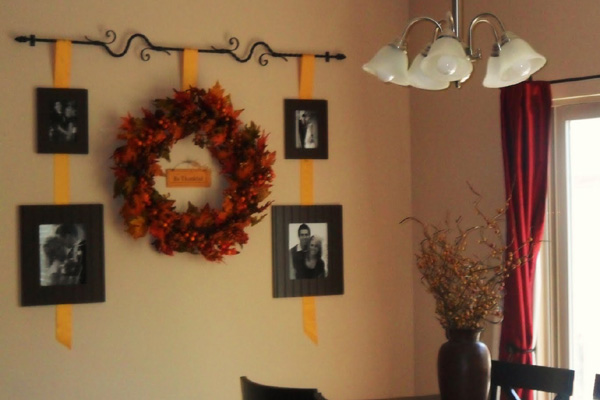

Fall decorating does not require turning your living room into a pumpkin warehouse. A thoughtfully decorated wall can bring warmth, texture, and seasonal personality into your home without consuming valuable floor spaceor forcing guests to navigate an obstacle course of decorative gourds.
The best fall wall decor idea is not necessarily the largest or most expensive one. It is the idea that works with your existing furniture, reflects your personal style, and can transition gracefully from early September through Thanksgiving. From dried botanical wreaths and autumn gallery walls to woven baskets, framed textiles, and renter-friendly displays, there are countless ways to celebrate the season without redecorating the entire house.
Why Fall Wall Decor Makes Such a Big Difference
Walls occupy a large portion of every room’s visual landscape. When they remain completely unchanged throughout the year, even a beautifully furnished space can miss the emotional shift that makes fall feel special. Updating one wall creates a seasonal focal point while allowing the rest of the room to remain familiar and functional.
Wall decorations also solve a practical problem. Unlike baskets of pumpkins, floor lanterns, or oversized arrangements, hanging decor does not steal walking space. That makes it especially useful in apartments, narrow entryways, compact dining rooms, and homes inhabited by curious pets who consider faux berries an exciting new food group.
A successful fall display usually combines three qualities:
- A warm or nature-inspired color palette
- A mixture of visual textures
- A clear relationship to the room’s existing design
You do not need to use bright orange everywhere. Burgundy, olive green, tobacco brown, rust, cream, mustard, charcoal, copper, and dark navy can all create an autumn mood. Choose two or three colors that already complement your room, then repeat them in a few carefully selected wall elements.
1. Create a Seasonal Gallery Wall
A fall gallery wall offers flexibility because the individual pieces can be changed without rebuilding the entire arrangement. Begin with artwork you already display, then temporarily replace two or three pieces with autumn-inspired prints, family photographs, pressed leaves, vintage postcards, or handwritten recipes.
Choose a Unifying Element
Your frames do not need to match perfectly. In fact, a mixture of wood, brass, black, and antique-style frames often feels more collected than a perfectly identical set. The arrangement will look intentional when one element remains consistent, such as the frame color, subject matter, spacing, or overall palette.
For example, combine a landscape print, a pressed fern, a small woven piece, and a family photograph taken during a fall trip. These objects are different, but warm wood frames and earthy colors can connect them visually.
Plan Before Making Holes
Arrange the pieces on the floor first. Start with the largest item near the center, then build outward while maintaining reasonably consistent gaps. Paper templates taped to the wall can help you evaluate the composition before using nails.
For most displays, the visual center should sit near eye level. Artwork placed above a console, bed, or sofa should relate to the furniture rather than floating near the ceiling like it is trying to escape. Designers commonly recommend keeping wall art visually connected to the piece below it and maintaining even negative space throughout a gallery arrangement.
2. Make a Natural Fall Wreath
A wreath is one of the most versatile fall wall decorations. It can hang on a front door, over a mantel, above a buffet, or on an otherwise awkward section of wall. It also offers maximum seasonal impact with minimal installation effort.
Start with a grapevine, wire, embroidery-hoop, or woven-basket base. Attach dried wheat, preserved leaves, seedpods, feathers, pinecones, eucalyptus, miniature faux pumpkins, or dried hydrangeas with floral wire. Concentrating the materials on one side produces a modern asymmetrical design, while covering the entire base creates a traditional harvest look.
Natural wreaths do not need to look like a craft store exploded on them. Limit yourself to three primary materials. A combination of wheat, burgundy leaves, and dark ribbon may look more sophisticated than fifteen unrelated decorations competing for attention.
Vintage objects can also become memorable wreath bases. Old grain sifters, trays, baskets, and large embroidery hoops provide texture and character before the foliage is even added. This approach gives secondhand items a new purpose and prevents your wall decor from looking identical to every seasonal display in the neighborhood.
3. Display Pressed Leaves and Botanicals
Some of the best fall wall art is available outside for free. Colorful leaves, ferns, grasses, and small branches can become elegant botanical displays when framed carefully.
Collect relatively flat, undamaged specimens. Place them between sheets of absorbent paper inside a heavy book, adding more books on top for pressure. Once completely dry, mount them on cream, tan, black, or handmade paper. Floating glass frames are particularly effective because they make the delicate shapes appear suspended.
Create a symmetrical grid of four to six frames for a formal room, or mix several sizes for a relaxed gallery wall. Leaves can also be attached to twine with miniature clothespins, arranged around a branch, or incorporated into a seasonal recipe-card garland for the kitchen.
Avoid displaying untreated natural materials in damp rooms. Moisture can cause discoloration, curling, or mold. Faux leaves are a practical substitute in bathrooms, covered porches, and humid climates, and modern versions are far more convincing than the shiny plastic foliage that haunted school cafeterias decades ago.
4. Hang Woven Baskets, Trays, or Plates
Fall decor becomes more interesting when it includes dimension. Flat prints are useful, but a wall covered exclusively with framed rectangles can feel repetitive. Woven baskets, wooden trays, pottery, and decorative plates introduce curves, shadows, and tactile texture.
Choose pieces in warm materials such as rattan, wicker, dark wood, copper, or aged brass. A group of three or five generally creates a more natural composition than an even-numbered arrangement. Mix sizes while repeating one color or material to keep the display cohesive.
Woven objects work especially well with rustic, farmhouse, bohemian, traditional, and cottage interiors. For a modern room, use simple shallow baskets with clean geometric patterns. A single oversized tray can provide more impact than a cluster of small accessories.
This type of display does not have to disappear after Thanksgiving. The baskets can remain on the wall all year, while a small wheat bundle, velvet ribbon, or removable leaf garland provides the seasonal layer. Country Living and Apartment Therapy both highlight woven pieces, vintage plates, and dimensional objects as effective ways to add warmth and texture to wall arrangements.
5. Frame a Vintage Textile
Fabric immediately adds softness to a room. Instead of buying another mass-produced autumn sign, frame a piece of plaid wool, vintage quilt fabric, embroidered linen, printed napkin, or patterned scarf.
Large textiles can be mounted on a wooden dowel or decorative rod. Smaller scraps can be stretched inside embroidery hoops to form an affordable wall collection. Combine several patterns in related colors, such as rust, navy, cream, and olive, so the display feels layered rather than chaotic.
Textile wall art is particularly useful above a bed or reading nook because it creates a visually cozy effect without adding hard, heavy objects. Valuable or fragile antique fabric should be mounted with archival materials and kept away from direct sunlight. An inexpensive plaid remnant, however, can be changed whenever your decorating mood changeswhich, during fall, may happen immediately after seeing one particularly persuasive pumpkin display.
6. Build a Fall Memento Wall
A memento wall is a more personal alternative to a perfectly coordinated gallery wall. It may include postcards, handwritten notes, photographs, ticket stubs, children’s artwork, pressed flowers, vintage recipe cards, maps, or small souvenirs.
For a fall version, gather objects connected to seasonal memories. Frame a favorite Thanksgiving recipe in a kitchen, display a photograph from an apple orchard, mount a postcard from a mountain trip, or preserve a leaf collected during a family walk. The result tells a story rather than simply announcing, “Attention: It is now autumn.”
Use a corkboard, fabric-covered pinboard, picture ledge, wire grid, or collection of shallow shadow boxes. Keep the arrangement coherent by repeating similar frame tones or limiting the display to a restrained palette. A memento wall can grow over time, making it more authentic than a display purchased in one afternoon.
7. Add a Fall Picture Ledge
A picture ledge is ideal for anyone who enjoys changing decor frequently. Instead of measuring and rehanging every frame, you can simply lean artwork against the wall and rearrange it as the season progresses.
Place one large print at the back, overlap it with two smaller pieces, and add a lightweight wreath or miniature framed botanical. Nearby objects on a console or mantel can continue the color story with amber glass, books, dried flowers, or small gourds.
A ledge also makes it easy to transition from general fall decor to Halloween and Thanksgiving. Add a small bat silhouette in October, remove it in November, and replace it with a framed gratitude message. No wall repair, no dramatic redesign, and no mysterious box labeled “HALLOWEEN MAYBE” taking over the hallway.
8. Try an Autumn Accent Wall
For a larger transformation, use paint or removable wallpaper to turn the wall itself into seasonal decor. Deep olive, muted clay, ochre, warm taupe, smoky blue, and burgundy can create an autumn atmosphere without relying on obvious holiday motifs.
Paint is best when you genuinely like the color beyond a single season. For a temporary update, consider peel-and-stick wallpaper, removable decals, or a painted arch behind a console or headboard. A large block of color can visually frame a smaller wreath, mirror, or gallery arrangement.
Test paint samples at different times of day. Warm colors can shift dramatically under natural and artificial light. What appears to be sophisticated cinnamon in the morning may become aggressive traffic-cone orange after sunset, and nobody needs that surprise during dinner.
HGTV and The Home Depot both recommend color, wallpaper, and accent-wall treatments as effective ways to create a stronger seasonal focal point.
9. Make a Simple Branch Wall Hanging
A fallen branch can become a minimalist fall wall decoration with almost no expense. Choose a clean, dry branch with an interesting shape. Tie twine, ribbon, yarn, pressed leaves, paper feathers, dried orange slices, or lightweight ornaments at different lengths.
For a neutral display, use cream yarn, wooden beads, wheat, and brown leaves. For a brighter family-friendly version, add felt acorns or paper leaves in mustard, rust, burgundy, and forest green.
Inspect outdoor materials carefully before bringing them inside. Remove loose bark, dirt, and insects, then allow the branch to dry completely. Keep natural wall hangings away from open flames, fireplaces, heaters, and candles.
10. Decorate Without Damaging the Wall
Renters and commitment-resistant decorators can still create impressive seasonal displays. Removable adhesive hooks, picture-hanging strips, tension rods, over-the-door hangers, washi tape, and existing picture rails provide alternatives to nails.
Always check the product’s weight rating and wall-surface instructions. Adhesive products that work on smooth painted drywall may fail on brick, textured plaster, wallpaper, or dusty surfaces. Test a hidden area before creating a twelve-piece gallery wall and discovering gravity has joined the decorating committee.
Lightweight paper garlands, fabric banners, embroidery hoops, and unframed prints are usually easier to hang temporarily than heavy mirrors or solid-wood signs. Removable wallpaper can also transform a small wall, alcove, or fireplace surround without becoming a permanent design decision.
How to Keep Fall Wall Decor Stylish
Decorate the Room, Not Just the Wall
Look at the furniture, textiles, flooring, and lighting before choosing wall decorations. A bright orange sign may seem festive in isolation but feel disconnected in a room built around cool gray and blue. A copper wreath, moody landscape, or rust-colored textile might create a smoother transition.
Mix Seasonal and Year-Round Pieces
You do not need to replace every item. Keep most of your regular artwork and introduce only a few fall elements. This creates a layered home rather than a temporary retail display.
Use Natural Texture Instead of Excessive Wording
One seasonal sign can be charming. Twelve signs explaining that you love fall, pumpkins, gratitude, pie, and sweater weather may begin to feel like your walls are shouting inspirational slogans at visitors.
Leave Some Empty Space
Negative space allows each decoration to be appreciated. When every inch is covered, even beautiful objects become visual noise. Choose one main focal wall and keep nearby surfaces quieter.
Think Beyond Traditional Orange
Nature offers a much broader palette: moss, bark, wheat, plum, cranberry, charcoal, evergreen, cream, and faded gold. The Spruce, Martha Stewart, Architectural Digest, and Country Living all emphasize natural materials, dried botanicals, layered textures, vintage objects, and earthy colors as enduring approaches to fall decorating.
Experience-Based Lessons from Real-World Fall Decorating
The most useful fall wall decor lessons often appear after the decorating is finished. A display may look perfect in a carefully cropped photograph yet behave very differently in an active home with children, pets, changing sunlight, and doors that occasionally slam hard enough to rearrange the artwork.
One common experience is that starting small usually produces a better result. Homeowners frequently begin with plans for an enormous seasonal gallery wall, buy too many unrelated pieces, and then struggle to make them cooperate. A more reliable approach is to choose one anchor itemperhaps a wreath, landscape print, quilt fragment, or large basketand add only two or three supporting elements. The arrangement can always expand later.
Another practical lesson concerns scale. Small decorations can disappear on a large wall, especially above a wide sofa or fireplace. Several tiny signs scattered across a broad surface often look less substantial than one oversized textile or a grouped collection. Before purchasing anything, outline the proposed dimensions with painter’s tape. This simple test makes it obvious when a piece is too small, too high, or oddly disconnected from the furniture.
Lighting also changes the way fall colors behave. Burgundy may appear rich during the day but nearly black in a dim hallway. Mustard can look warm beside a window and surprisingly green under a cool LED bulb. Viewing materials in the actual room before mounting them prevents color combinations that looked wonderful in the store but start arguing once they reach the wall.
Natural materials create beauty, but they also require preparation. Fresh leaves may curl, branches may shed bark, and dried flowers can release dust when placed near an air vent. Preserving, sealing, or replacing delicate natural objects with high-quality faux versions makes sense when the display must last for several months. The goal is seasonal warmth, not a daily appointment with the vacuum cleaner.
Storage is another experience-based consideration. Bulky signs and fragile wreaths are enjoyable in October and deeply inconvenient in January when no closet can accommodate them. Flat prints, fabric banners, pillowcase-style frame covers, collapsible garlands, and removable inserts are easier to store. A neutral grapevine wreath can also be reused by changing its ribbon and botanical accents throughout the year.
Many successful displays include sentimental objects rather than strictly seasonal merchandise. A handwritten recipe, an old photograph, a child’s leaf rubbing, or a map from a memorable trip gives the wall emotional value. Visitors are more likely to ask about a meaningful item than a generic sign purchased because it contained the legally required number of decorative pumpkins.
Finally, fall wall decor works best when it supports daily life rather than complicating it. Decorations near doors should not swing, scratch the wall, or fall whenever someone enters. Items over beds and seating areas should be securely mounted. Garlands near fireplaces and candles require safe clearance. Beautiful decor should make a room more comfortablenot transform sitting on the couch into a minor safety adventure.
The overall lesson is simple: build the display gradually, evaluate it in real lighting, use objects with personal meaning, and stop before the wall becomes overcrowded. The best fall wall decor idea feels warm and intentional while still allowing the roomand the people living in itto breathe.
Conclusion
Fall wall decor can transform a room without requiring a major renovation or an alarming number of plastic pumpkins. Begin with your existing style, select a restrained seasonal palette, and choose one strong focal point. A natural wreath, botanical gallery, framed textile, picture ledge, woven basket collection, or memento wall can provide all the autumn atmosphere you need.
The most memorable displays combine texture, warmth, and personality. Use natural materials thoughtfully, mix seasonal pieces with year-round favorites, and include objects that tell a story. When the result feels collected rather than purchased as a matching set, your home will look inviting from the first cool evening through the final slice of Thanksgiving pie.
SEO Tags