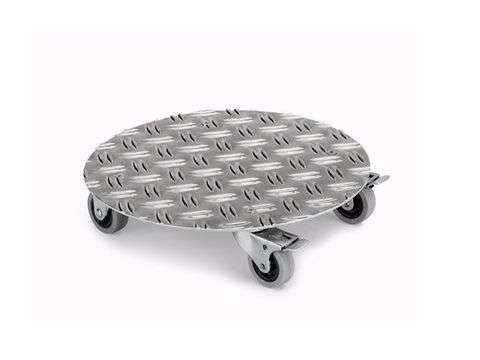

There comes a moment in every plant lover’s life when a cheerful little patio pot becomes a botanical boulder. One day it is a cute container of herbs. A few months later, it is a ceramic fortress filled with damp soil, tangled roots, and a plant that appears to have joined a gym. That is where the aluminum potted plant roller earns its applause.
An aluminum potted plant roller, also called an aluminum plant caddy, rolling planter stand, plant dolly, or plant roller base, is a simple but surprisingly useful garden accessory. It sits beneath a heavy pot and lets you move the plant without dragging, lifting, scraping the patio, or quietly negotiating with your lower back. For homeowners, apartment gardeners, balcony growers, and anyone who has ever regretted buying “just one more” giant planter, this small wheeled platform can make container gardening safer, cleaner, and much more flexible.
Unlike bulky wooden plant dollies or flimsy plastic versions, aluminum plant rollers are prized for being lightweight, weather resistant, easy to clean, and strong enough for everyday patio use. They are especially helpful for large indoor plants, outdoor planters, citrus trees, ficus, palms, ceramic pots, and seasonal containers that need to be moved for sunlight, cleaning, frost protection, storms, or simple redecorating. In short, it is the tiny garden vehicle your plants never knew they needed.
What Is an Aluminum Potted Plant Roller?
An aluminum potted plant roller is a wheeled platform designed to support and move a potted plant. Most models include a circular, square, or adjustable aluminum frame with several caster wheels attached underneath. Some have locking wheels to keep the planter from rolling away like it has weekend plans. Others include a raised lip, drainage-friendly gaps, rubber pads, or adjustable arms that fit different pot diameters.
The main job is simple: reduce effort. Container gardening is beautiful, but it is not always light work. Soil becomes heavy when wet, and large containers made of ceramic, concrete, clay, or stone can weigh far more than expected. Add a mature plant, mulch, water, and decorative gravel, and suddenly that elegant planter has the personality of a refrigerator. A rolling plant stand solves that problem by letting you move the pot with a push instead of a lift.
Aluminum is a smart material for this job because it combines strength with low weight. It naturally resists corrosion better than many untreated metals, and it does not absorb water the way wood can. That makes it useful for patios, decks, balconies, sunrooms, greenhouses, and indoor floors where moisture, soil, and daily watering are part of the scenery.
Why Choose Aluminum Instead of Wood, Plastic, or Steel?
Aluminum Is Lightweight but Strong
The biggest advantage of an aluminum plant caddy is its weight-to-strength balance. A heavy-duty plant roller must support the pot, soil, and plant without bending, but it should not be so heavy that the roller itself becomes another problem to move. Aluminum fits that middle ground well. It is easier to carry than steel and often more rigid than basic plastic rollers.
This matters when you are using multiple rollers for a patio garden. Moving one plant is helpful. Moving ten plants before a storm is a workout program nobody requested. Aluminum makes the setup easier to handle, reposition, and store.
It Handles Moisture Better Than Many Materials
Garden accessories live a damp life. They meet hose water, rain, saucers, dripping leaves, and the occasional overenthusiastic watering can. Wood can look beautiful, but it may swell, stain, crack, or mildew if it is not properly sealed. Steel can be strong, but untreated or poorly coated steel may rust. Plastic is affordable, but some low-quality models can warp, fade, or become brittle after sun exposure.
An aluminum potted plant roller is a practical choice because it is naturally suited to wet environments. It still needs care, especially around screws, wheel housings, and any non-aluminum hardware, but the frame itself is usually low maintenance. For outdoor container gardening, that is a real advantage.
It Looks Clean and Modern
Function is important, but garden accessories also have to live in plain sight. Aluminum has a sleek, modern appearance that pairs well with black planters, terracotta pots, concrete containers, white ceramic planters, and minimalist balcony setups. It does not demand attention. It simply sits there doing the heavy work like a very polite stagehand.
For indoor plants, aluminum plant rollers can look less rustic than wood and less casual than plastic. That makes them a good fit for living rooms, offices, entryways, covered patios, and modern apartments where every visible object is silently auditioning for the interior design team.
Key Benefits of an Aluminum Potted Plant Roller
1. Easier Movement for Heavy Planters
The most obvious benefit is mobility. A rolling planter stand lets you move large pots across flat surfaces without lifting. This is useful when cleaning under containers, rotating plants for even growth, rearranging the patio, bringing tender plants indoors, or moving sun-loving plants into brighter spots.
Many container plants benefit from occasional repositioning. A lemon tree may want more sun. A fern may need shade. A flowering annual container may look better beside the front door during a dinner party. With a plant roller, changing the layout takes seconds instead of a full-body commitment.
2. Less Strain on Your Back and Floors
Heavy pots are not just inconvenient; they can be risky. Lifting a large planter can strain your back, shoulders, wrists, and knees. Dragging the pot can scratch wood floors, scuff tile, chip concrete, or leave mysterious rings on the deck that look like crop circles for gardeners.
An aluminum potted plant roller reduces the need for awkward lifting. It also creates airflow beneath the pot and helps keep the container off direct contact with the floor. That can reduce staining, trapped moisture, and surface damage, especially when paired with proper drainage practices.
3. Better Sunlight Management
Container plants are portable by nature, but only if you can actually move the container. A plant roller lets you adjust plant placement as the seasons change. In summer, you may roll plants away from harsh afternoon heat. In winter, you may move them closer to a bright window. On a balcony, a few inches can make a difference between happy basil and dramatic basil.
This flexibility is especially helpful for plants with specific light preferences, such as citrus, succulents, palms, orchids, monstera, herbs, and flowering patio plants. Instead of forcing the plant to tolerate one location forever, you can follow the light.
4. Faster Cleaning and Pest Checks
Plants drop leaves. Soil spills. Water runs. Ants occasionally hold conferences under pots. A rolling plant caddy makes it easier to clean the surface beneath containers and inspect for pests, mold, standing water, or root growth through drainage holes.
This is not glamorous, but it is important. Good container gardening depends on drainage, airflow, and routine observation. When the pot is easy to move, you are more likely to notice small problems before they become big ones. Gardening wisdom often begins with the sentence, “Well, I moved the pot and found…”
5. Useful for Weather Protection
If you garden in a region with sudden storms, high winds, frost, or extreme heat, mobility matters. A plant roller helps you move sensitive plants under cover, against a wall, into a garage, or away from exposed edges. It is particularly helpful for tropical plants, potted citrus, tender annuals, and houseplants that vacation outdoors during warm months.
When weather changes quickly, rolling is faster than lifting. Your plants get shelter, and you get to keep your dignity.
How to Choose the Best Aluminum Potted Plant Roller
Check the Weight Capacity
The first specification to look for is weight capacity. Add up the likely weight of the pot, wet soil, plant, water, and any decorative stone. Wet potting mix is much heavier than dry mix, so do not estimate based on how light the pot felt at the store. A safe rule is to choose a plant roller with a capacity well above your expected total weight.
For small indoor pots, a lighter-duty roller may be enough. For large ceramic planters, potted trees, or outdoor containers, look for a heavy-duty plant roller with sturdy casters and a reinforced aluminum frame. The wheels matter as much as the platform. A strong frame with weak wheels is like a sports car with shopping cart tires.
Match the Size to the Pot
The roller should support the pot evenly. If the pot is much wider than the roller, it may become unstable. If the roller is too large, it may look awkward or create a tripping hazard. Measure the base of your planter, not just the widest part at the top. Many pots taper, so the bottom diameter is the number that matters most.
Adjustable aluminum plant rollers can be useful if you have different pot sizes or expect to change containers over time. Fixed-size models may look cleaner and feel more stable when properly matched.
Look for Locking Casters
Locking wheels are a major feature, especially outdoors. They keep the plant from rolling when bumped, watered, or nudged by wind. On a slightly sloped patio, locking casters are not optional unless you want your fiddle-leaf fig to start an escape scene.
For indoor use, locks help keep plants secure around pets, children, robot vacuums, and enthusiastic guests who gesture with their whole body. Choose wheels that roll smoothly but lock firmly.
Choose the Right Wheel Type
Small hard wheels may work on smooth tile or polished concrete, but they can struggle on rough patios, deck boards, brick, or uneven surfaces. Larger wheels usually roll more easily over small gaps and textured flooring. Rubberized or soft wheels may be better for indoor floors because they reduce scratching and noise.
Before buying, think about where the plant will move. A roller that glides beautifully across a kitchen floor may not be as graceful on a bumpy outdoor paver. Plants deserve transportation, not turbulence.
Consider Drainage and Airflow
Good container gardening depends on drainage. A plant roller should not block drainage holes or trap water directly beneath the pot. Models with open frames, raised supports, or drainage gaps allow excess water to escape and air to circulate.
If your pot drains heavily, use a saucer only when appropriate and empty standing water after watering. Leaving roots in soggy conditions can contribute to root problems. The roller helps with access, but it cannot rescue a plant from a swampy saucer forever.
Best Uses for an Aluminum Potted Plant Roller
Large Indoor Houseplants
Big indoor plants are stunning until you need to vacuum behind them. An aluminum plant roller is ideal for monstera, rubber plants, palms, ficus, bird of paradise, fiddle-leaf fig, and large snake plants. It allows you to rotate the plant for balanced growth and clean around it without wrestling the pot like a furniture mover.
Patio and Balcony Containers
On patios and balconies, plant rollers make it easier to create flexible layouts. You can move containers to open space for guests, shift plants for seasonal sunlight, or roll them against a wall during storms. For renters, this is especially useful because it helps protect surfaces from scratches and stains.
Potted Citrus and Fruit Trees
Potted citrus trees often need sunlight during warm months and protection during cold snaps. A sturdy aluminum potted plant roller makes seasonal moving easier. Lemon, lime, calamondin, dwarf orange, and fig trees can be heavy in containers, especially after watering. Rolling beats dragging every time.
Gardening for Accessibility
Plant rollers can make gardening easier for people with limited strength, mobility challenges, or joint discomfort. Instead of bending, lifting, and dragging, gardeners can reposition containers with less effort. Combined with raised planters, lightweight potting mixes, and smart watering tools, rollers can help make container gardening more enjoyable and accessible.
Maintenance Tips for Long-Lasting Performance
An aluminum plant roller does not require much maintenance, but a little attention keeps it working smoothly. Wipe the frame occasionally to remove soil, fertilizer residue, and mineral deposits. Check the caster wheels for trapped leaves, hair, twigs, or pebbles. Tighten screws if the platform begins to wobble. If the wheels have metal parts, inspect them for rust or stiffness after rainy periods.
For outdoor use, avoid leaving the roller sitting in standing water for long periods. Aluminum resists corrosion, but the bearings, fasteners, and caster brackets may not be equally moisture-proof. In winter, clean and store unused rollers in a dry place if your patio gets snow, ice, or freezing rain.
Also remember that mobility does not replace stability. Keep tall or top-heavy plants in wide, balanced pots. Use wheel locks when the plant is in place. Avoid rolling large containers too quickly, especially across thresholds or uneven surfaces. Your plant may be hardy, but it probably did not train for stunt work.
Common Mistakes to Avoid
Using a Roller That Is Too Small
A small roller under a wide pot can make the planter unstable. The pot may tip when pushed or when wind catches the foliage. Always choose a roller that supports the base securely.
Ignoring the Loaded Weight
A pot that seems manageable when dry can become shockingly heavy after watering. Choose a capacity based on the heaviest realistic condition, not the most optimistic one.
Rolling on the Wrong Surface
Not every wheel is made for every surface. Small casters may catch on deck gaps, grout lines, or rough pavers. Match the wheel size and material to the place where you will actually use it.
Forgetting to Lock the Wheels
Once the plant is in position, lock the casters. This is especially important on balconies, sloped patios, windy areas, and homes with curious pets. A rolling plant should roll only when invited.
Experience Notes: Living With an Aluminum Potted Plant Roller
Using an aluminum potted plant roller sounds like a small upgrade, but in daily plant care it can feel like switching from carrying groceries in your arms to using a cart. The first thing most people notice is how often they suddenly move plants because it is no longer a big production. The patio gets cleaned more often. The plant gets rotated more often. The heavy pot that used to sit permanently in one corner finally becomes part of the design instead of a decorative hostage.
One of the best real-life uses is seasonal light adjustment. A large potted palm or citrus tree may look perfect in one spot in May, then start leaning by July because the sun angle has changed. Without a roller, moving it becomes a weekend chore. With a roller, you unlock the wheels, shift it a foot or two, and pretend you are a very calm garden engineer. The plant receives better light, and the patio arrangement stays fresh.
Another underrated benefit is cleaning. Heavy pots tend to hide dirt, old leaves, moisture marks, and the occasional bug hotel. When a pot sits directly on a deck or floor, water can collect underneath, especially if drainage is poor. A roller lifts the container slightly and makes it easier to check what is happening below. That small bit of access helps prevent stains and makes routine cleaning less annoying. Nobody buys a plant caddy for the thrill of sweeping, but once you have one, sweeping becomes less of a grudge match.
For indoor plants, the experience is even more noticeable. Large houseplants are usually placed near windows, corners, or furniture, which makes them awkward to reach. A rolling plant stand lets you pull the plant forward for pruning, watering, leaf cleaning, or pest inspection. If you have ever tried to wipe dust from the back leaves of a giant monstera while wedged between a sofa and a wall, you understand the emotional importance of wheels.
Aluminum also feels practical in everyday use because it is easy to wipe clean. Soil spills do not soak in. Water does not leave the same kind of trouble you might see with untreated wood. The frame stays relatively light, so repositioning the roller before placing a pot is simple. The clean metallic look also blends well with modern planters, which matters if the roller is visible in a living room or on a styled patio.
The main lesson from using plant rollers is to respect weight and balance. A sturdy aluminum roller can make a large planter easy to move, but it does not change physics. Tall plants still need stable pots. Uneven surfaces still require slow movement. Wheel locks should be used every time. Once these habits become automatic, the roller becomes one of those garden tools you barely think about until you try living without it again.
In practice, the aluminum potted plant roller is not flashy. It does not bloom, fragrance the air, or make your neighbors gasp over the fence. But it quietly improves the whole container gardening routine. It saves effort, protects surfaces, helps plants follow the light, and turns heavy planters from permanent monuments into flexible design pieces. For a simple accessory, that is a lot of work on four little wheels.
Conclusion
An aluminum potted plant roller is one of the most practical upgrades for container gardening. It makes heavy planters easier to move, helps protect patios and indoor floors, supports better sunlight management, and simplifies cleaning and plant care. Aluminum stands out because it is lightweight, durable, moisture resistant, and visually clean enough for both indoor and outdoor spaces.
Whether you are caring for a balcony herb garden, a patio full of flowers, a potted lemon tree, or a dramatic houseplant that takes up more room than a small roommate, a rolling planter stand can make the job easier. Choose the right size, check the weight capacity, look for locking casters, and match the wheels to your surface. Do that, and your plants can finally enjoy first-class travel without you needing a chiropractor.
Note: This article was created as original publish-ready content based on practical container gardening guidance, common plant caddy features, aluminum material characteristics, and real-world indoor and outdoor planter use cases.


