
Some holiday gifts announce themselves with blinking lights, three layers of plastic, and enough glitter to remain in your carpet until the next presidential administration. Others take a quieter approach. Calico Gifts, a small San Francisco venture featured during the 2010 holiday season, belonged firmly in the second category.
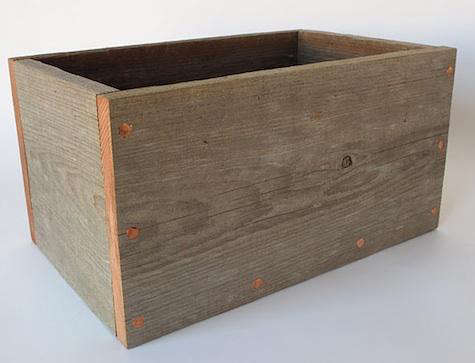
Created by San Francisco musician Kathryn Anne Davis, Calico’s gift collections combined local food, drinks, bath products, and vintage objects inside handmade boxes constructed from reclaimed redwood. Once the treats were gone, recipients could use an enclosed packet of wildflower seeds to transform the wooden container into a small pollinator garden. It was a holiday gift box, a keepsake, and a future flower bed rolled into one handsome package.
Although the original Calico boxes and prices discussed here were documented in 2010, their underlying idea feels remarkably current: buy locally, choose useful products, reduce disposable packaging, and give recipients an experience rather than another object destined for the mysterious back corner of a closet.
A San Francisco Gift Box with a Second Life
Calico’s most distinctive feature was not a rare chocolate, an antique glass, or even a particularly photogenic napkin. It was the box itself. Each collection arrived in a handmade reclaimed-redwood container measuring approximately 15 by 8 inches. Instead of becoming instant trash after the unwrapping ceremony, the container was designed to remain useful.
Recipients could save it for storage, display it on a shelf, or plant the included wildflower seeds inside. That reusable design anticipated a broader shift toward low-waste holiday gifting. The U.S. Environmental Protection Agency continues to encourage shoppers to reuse boxes, bags, and tissue paper, noting that decorative containers can eliminate the need for additional wrapping.
The planter concept also gave the gift a satisfying narrative arc. First came the coffee, chocolate, cocktail ingredients, or bath products. Then came the vintage accessories. Finally, after the edible and usable items disappeared, flowers could take their place. Most gift packaging has a lifespan shorter than a holiday cookie near an unattended toddler. Calico’s packaging was only getting started.
What Made Calico Gift Boxes Different?
Local Products with Recognizable Origins
Davis described the boxes as one-of-a-kind collections built around products from friends and small producers. The emphasis was intensely local, with contributors drawn from San Francisco, Berkeley, Marin County, and Napa. Rather than filling space with generic crackers and anonymous candies, Calico assembled items that reflected Northern California’s food, design, and craft culture.
One featured producer was Sightglass Coffee, which began in 2009 with a small service cart in San Francisco’s SoMa neighborhood. The company later developed its original warehouse into a roastery, coffee bar, headquarters, and community gathering space. Including its coffee gave the Calico box a genuine connection to the city rather than merely placing a cable-car illustration on the label and calling it a day.
Calico also sourced seasonings and tea from Allstar Organics, a certified organic family farm in Marin County. The farm grows and dries many of its own herbs and uses them in handcrafted salts, sugars, teas, and seasonings. Its applewood-smoked salt brought a particularly strong sense of place to the collection: useful enough for weeknight cooking, interesting enough to make the recipient start seasoning everything in sight.
Other selections included plant-based bath goods from Captain Blankenship, cocktail nuts from San Francisco’s Tartine Bakery, vermouth from Sutton Cellars, and artisan chocolates made by local chocolatier Jewel Zimmer. Taken together, the products offered a miniature tour of Bay Area craftsmanship without requiring the recipient to find parking in six different neighborhoods.
Vintage Finds Added Personality
Calico paired newly made products with vintage mugs, glasses, napkins, and decorative objects. That decision mattered. A curated gift box can feel impersonal when every component appears to have rolled off the same production line ten minutes earlier. Vintage pieces introduce variation, history, and the pleasant possibility that no one else received exactly the same collection.
A pair of vintage coffee mugs might differ slightly in color or shape. Antique glassware could carry tiny signs of age. Napkins could have patterns unavailable in modern stores. These details turned each box into an assemblage rather than a standard inventory bundle.
They also made the gift feel more human. Someone had searched for those objects, judged whether they belonged together, and arranged them for a particular mood. That kind of visible decision-making is the secret ingredient in good curation. It tells the recipient, “A person thought about this,” rather than, “An algorithm noticed you once purchased coffee filters.”
A No-Waste Philosophy
Davis characterized Calico as a “no-waste” concept in which every element could be saved or used. The food could be eaten, the bath products enjoyed, the glasses and mugs kept, the napkins washed, and the wooden box replanted or repurposed.
No physical gift is literally waste-free, of course. Products still require materials, transportation, and energy. Yet Calico’s design reduced the number of components created solely for presentation. That practical distinction is important. Reuse generally preserves more of an item’s original value than immediately discarding it and attempting to recover its raw materials later.
Inside the Original Calico Collections
The Good Day Box
The historically advertised Good Day Box cost $98 and focused on the small luxuries of a relaxed morning. It included one pound of Sightglass Coffee, two vintage mugs, napkins, Allstar Organics applewood-smoked salt, and Cocoa Absolute sea-salt-and-caramel chocolate pavés.
The appeal was simple: brew the coffee, unwrap the chocolate, and postpone checking email for another ten minutes. The smoked salt gave the recipient something to use long after breakfast, while the mugs and napkins helped turn an ordinary caffeine stop into a ritual.
This collection would have suited a host, a couple, a coffee enthusiast, or a friend whose morning personality does not fully load until the second cup.
The Celebration Box
Priced at $140 in the original feature, the Celebration Box included Sutton Cellars Brown Label Vermouth infused with 17 botanicals, vintage glasses and napkins, Tartine Bakery cocktail nuts, Cocoa Absolute chocolates, and an antique bitters bottle.
This was the sociable boxthe one to open when guests were coming over or when Tuesday had somehow developed the emotional weight of an entire fiscal quarter. The combination of vermouth, cocktail snacks, chocolate, and vintage barware gave the recipient the framework for a small at-home gathering.
The antique bitters bottle was especially clever because it remained decorative after the consumable products disappeared. It could live on a bar cart, hold a small flower, or inspire a lengthy conversation in which nobody admits they are unsure what bitters actually do.
The Relaxation Box
The $125 Relaxation Box featured Captain Blankenship bath salts, hand and rough-spot balm, Allstar Organics Herbs and Roses tea, vintage mugs and napkins, and Douglas fir room spray.
Instead of delivering a single spa product surrounded by decorative filler, the box assembled a complete evening routine. The recipient could make tea, take a bath, apply balm, mist the room, and temporarily pretend the laundry pile had moved to another dimension.
Its woodland scents and botanical products also connected relaxation to the Northern California landscape. It was less “generic luxury hotel” and more “quiet cabin reached without four hours of holiday traffic.”
Why the Calico Concept Still Feels Modern
It Sold a Mood, Not Just Merchandise
Each Calico collection had a clear emotional purpose. The Good Day Box created a leisurely breakfast. The Celebration Box encouraged cocktails and conversation. The Relaxation Box offered a private retreat. This made the contents easier to understand and the gift easier to remember.
Modern gift-box sellers often use the same strategy because people respond to scenarios. “Coffee, salt, and mugs” is a product list. “A slow San Francisco morning” is a story. The products may be identical, but the second description gives the recipient an experience to imagine.
It Supported a Network of Small Producers
One purchase could introduce the recipient to several independent businesses. That multiplier effect remains one of the strongest reasons to choose a locally curated box. Instead of concentrating the entire purchase with one mass-market manufacturer, the gift can support farmers, roasters, bakers, artists, woodworkers, and specialty-food producers.
The U.S. Small Business Administration has emphasized that spending with small businesses circulates a substantial share of each dollar back into the surrounding community. SFMade similarly promotes San Francisco manufacturing as a source of local employment, skills, and neighborhood economic activity.
Recent Bay Area holiday guides continue to highlight handmade ceramics, locally produced food, vintage goods, books, clothing, art, and other gifts that are difficult to duplicate through national retailers. The enduring popularity of these guides suggests that shoppers still want gifts with identifiable makers and a meaningful connection to place.
The Packaging Became Part of the Present
Reusable packaging changes how value is distributed across a gift. In a conventional basket, nearly all the value is inside the container. In Calico’s design, the container itself was useful and attractive. The recipient did not have to decide whether to keep an enormous wicker basket that looked capable of transporting a medium-sized goat.
The reclaimed-redwood box was compact, durable, and adaptable. It could become a planter, a countertop organizer, a mail tray, a shelf display, or storage for garden tools. That versatility made the package feel intentional rather than excessive.
The Wildflower Garden Was More Than a Gimmick
Calico’s included seed packet gave recipients a reason to revisit the gift months later. Planting the box transformed unwrapping from a one-day event into a seasonal activity. A recipient might enjoy the coffee in December, plant the seeds in spring, and see flowers appear later in the year.
Diverse wildflower plantings can provide pollen and nectar for bees and other pollinators. USDA conservation resources recommend flowering plants and varied bloom periods when creating pollinator habitat, although gardeners should choose species suited to their region and avoid invasive varieties.
For a modern recreation of the Calico idea, the seed mix should be selected for the recipient’s location. Native plants appropriate for coastal California may not be suitable for a garden in Maine, Arizona, or Florida. The romantic phrase “wildflower mix” should never outrank responsible planting. Even flowers need a background check.
How to Create a Calico-Inspired Holiday Gift Box
Begin with One Clear Experience
Choose a simple theme such as a slow breakfast, cocktail hour, winter baking, garden planning, movie night, or restorative bath. Avoid combining every interest the recipient has ever mentioned. A box containing espresso, pruning shears, perfume, hot sauce, and a detective novel may be generous, but it also resembles evidence from an unusually confusing crime scene.
Select Three to Five High-Quality Products
Start with one anchor item and add complementary pieces. A breakfast box might include locally roasted coffee, preserves, smoked salt, two vintage mugs, and linen napkins. A relaxation box might contain botanical bath salts, herbal tea, hand balm, a candle, and a small ceramic cup.
Check ingredient labels and ask about allergies, dietary restrictions, fragrance sensitivities, and alcohol preferences. Thoughtful gifting includes knowing when not to send hazelnut chocolate, heavily scented body oil, or an ambitious bottle of vermouth.
Add One Vintage or Handmade Object
A durable object gives the collection longevity. Consider a handmade spoon, vintage glass, small bowl, cloth napkin, bottle opener, or locally printed card. The item should support the theme rather than merely occupy an empty corner.
Use a Container Worth Keeping
A wooden crate, metal tin, fabric basket, ceramic planter, or sturdy decorative box can replace conventional wrapping. Explain how it can be reused, especially when the second purpose is not obvious. A small instruction card can turn “Why did they send me a box of dirt?” into “Oh, it becomes a pollinator garden.”
The Experience of Receiving a Calico-Style Gift Box
First Impression: This Does Not Feel Mass-Produced
Imagine the box arriving during the busiest week of December. The front hallway already contains shipping cartons, grocery bags, and one package nobody remembers ordering. Then there is the Calico-style box: solid wood, neatly arranged, and noticeably free of shiny disposable clutter.
The weight creates the first impression. It feels substantial but not absurdly heavy. The reclaimed wood has visible grain, slight color variation, and perhaps a small imperfection that reveals its previous life. Instead of hiding those marks, the design treats them as part of the object’s character.
Opening the box becomes a process of discovery. There is no single dramatic centerpiece. The pleasure comes from moving through the collection one item at a time: coffee beans with a recognizable roasting date, folded vintage napkins, two mismatched mugs, a jar of smoked salt, and a compact box of chocolate.
The recipient immediately understands that the objects belong together. The mugs suggest coffee. The chocolate suggests lingering at the table. The salt hints at eggs, roasted vegetables, or an unnecessarily elaborate breakfast sandwich. Nothing needs a lengthy sales pitch.
Using the Gift Creates Several Small Occasions
The first occasion might happen the next morning. The recipient grinds the coffee, chooses one of the vintage mugs, and opens the chocolate despite having promised to save it for later. That promise lasted eight hours, which is respectable during the holidays.
A few days later, the smoked salt appears at dinner. It changes roasted potatoes or scrambled eggs with very little effort, prompting someone to ask where it came from. The gift continues telling its story because each product has an identifiable maker and origin.
The vintage pieces gradually become part of daily life. One mug becomes the favorite because its handle fits comfortably. A napkin appears beneath a loaf of bread. A glass from the Celebration Box joins the regular barware instead of remaining in a formal cabinet reserved for imaginary diplomats.
This gradual use is central to the experience. The box does not demand that everything be consumed at once. It creates a sequence of small pleasures across several weeks, allowing the recipient to remember the giver repeatedly without receiving a single automated notification.
The Empty Box Produces a Pleasant Decision
Eventually, the food is eaten and the bath products are used. A disposable gift basket would now enter its awkward final stage: too bulky to store, too attractive to discard, and apparently designed to inspire guilt.
The Calico-style box offers better choices. The recipient can fill it with letters, kitchen linens, seed packets, small tools, or winter accessories. If it has appropriate drainage and untreated wood, it can become a planter. The enclosed wildflower seeds provide the most satisfying continuation of the original idea.
Planting introduces a new sensory stage. Soil replaces tissue paper. The clean wooden container becomes darker and more weathered. Small green shoots appear, followed by flowers if the seeds, climate, sunlight, and gardener cooperate. Nature does not accept gift receipts, so results will vary.
Even an imperfect garden contributes to the experience. A few successful blooms can attract bees or butterflies, while an unsuccessful attempt may teach the recipient about drainage, watering, or the importance of reading planting instructions before confidently improvising.
Giving the Box Feels Personal Without Becoming Complicated
For the giver, a curated box solves a familiar holiday problem. It feels more personal than a gift card but does not require inventing an entirely original handmade present at 11:30 p.m. on December 23.
The theme does much of the emotional work. A breakfast box says, “Take a slow morning.” A relaxation box says, “You deserve some quiet.” A celebration box says, “Open this with people you enjoy.” These messages are warm without being overly sentimental, which is useful when the recipient is a colleague, host, client, sibling, or friend.
The strongest part of the experience is the sense of connection. The giver connects the recipient with several makers. The products connect to a particular region. The vintage pieces connect the present to the past. The planter connects the holiday season to spring.
That is why the Calico concept remains memorable. It treats gifting not as a transfer of merchandise but as a chain of relationships, uses, and future moments.
Conclusion
Calico’s San Francisco gift boxes demonstrated how thoughtful curation can make a relatively small collection feel abundant. Local coffee, chocolate, seasonings, bath products, vintage accessories, and reclaimed wood worked together because every element supported a recognizable experience.
The original Good Day, Celebration, and Relaxation boxes belong to an earlier chapter of San Francisco’s artisan-gift culture, but their principles have not aged. Choose fewer and better items. Let recipients know who made them. Use packaging that deserves to survive the unwrapping. Whenever possible, give the container a useful second life.
A great holiday gift does not need to be enormous, flashy, or wrapped in material capable of reflecting signals into space. It simply needs to feel considered. Calico achieved that with local craftsmanship, vintage charm, practical design, and a handful of wildflower seeds waiting for spring.
Note: Calico Gifts, its product combinations, and the listed prices in this article were documented in published 2010 coverage. They are presented as a historical design and holiday-gifting reference; current availability has not been confirmed.


