
If your home feels one laundry basket away from becoming a reality show called Clutter Island, the answer may not be another bulky cabinet. It may be hiding inside your walls. In-wall storage ideas are clever, space-saving solutions that use recessed shelves, wall niches, built-in cabinets, hidden cubbies, and shallow storage zones to organize everyday items without stealing precious floor space.
The beauty of in-wall storage is that it works in almost every room. A bathroom can gain a sleek shower niche. A hallway can become a drop zone for keys and mail. A kitchen can hide spices between studs. A bedroom can replace a nightstand with a recessed shelf. Even a mudroom, laundry room, or garage can benefit from storage that sits flush with the wall instead of lunging into the room like an overexcited piece of furniture.
Below are 25+ brilliant in-wall storage ideas for every room in your home, plus planning tips, design examples, and real-life experience notes to help you choose ideas that look intentional, not like you lost a fight with drywall.
Why In-Wall Storage Works So Well
In-wall storage is popular because it solves three common problems at once: lack of storage, limited floor space, and visual clutter. Instead of adding more furniture, you use underutilized wall cavities, awkward alcoves, empty vertical space, or built-in architectural zones. The result is storage that feels like part of the home rather than an afterthought.
Most standard interior walls have space between studs that can be used for shallow storage. While the depth is limited, that narrow space is perfect for small items: toiletries, spices, books, keys, candles, cleaning sprays, kids’ treasures, office supplies, and the mysterious collection of chargers every household somehow breeds overnight.
The best in-wall storage ideas are not just clever; they are specific. A recessed cabinet for medicine works better than a random shelf. A built-in entryway niche for sunglasses, dog leashes, and mail works better than tossing everything onto the nearest chair. When storage has a clear job, clutter has fewer excuses.
Before You Cut Into a Wall: Smart Planning Tips
Before grabbing a saw, pause. Walls may contain electrical wiring, plumbing, HVAC lines, insulation, fire blocking, or structural elements. If you are creating a small recessed shelf between studs, the project may be DIY-friendly with careful inspection. If you plan to remove studs, widen an opening, build into a shower wall, or modify an exterior wall, call a licensed professional. Nobody wants a spice rack that accidentally becomes a plumbing feature.
- Use a stud finder: Mark the studs, then verify spacing before cutting.
- Avoid mystery walls: Be extra cautious near bathrooms, kitchens, laundry rooms, and outlets.
- Think shallow: Many in-wall units are best for small, lightweight items.
- Plan the finish: Trim, paint, tile, glass, doors, or lighting can make a niche feel custom.
- Match the room’s style: A modern niche may use clean lines; a cottage home may look better with beadboard or painted trim.
- Balance open and closed storage: Display pretty things, hide chaotic things. This is design law.
25+ Brilliant In-Wall Storage Ideas For Every Room
1. Recessed Entryway Drop Zone
Turn a narrow entry wall into a shallow command center with hooks, a small shelf, and a mail slot. This is ideal for keys, sunglasses, wallets, dog leashes, and outgoing letters. Add a small mirror above it and suddenly the “Where are my keys?” drama loses its starring role.
2. In-Wall Shoe Cubby Near the Door
A low recessed cubby can hold everyday shoes without blocking the walkway. Use durable paint, wood trim, or tile at the base to handle dirt. This works especially well in small foyers, mudrooms, and apartments where a full shoe cabinet would feel like a barricade.
3. Umbrella and Tote Bag Niche
A tall, slim wall niche near the entrance is perfect for umbrellas, reusable shopping bags, yoga mats, and walking sticks. Add a drip tray at the bottom if umbrellas are involved, because water always finds a way to be dramatic.
4. Recessed Hallway Bookshelves
Hallways are often wasted space. Install shallow recessed shelves between studs to hold paperbacks, framed photos, small plants, or decorative boxes. Keep the shelves slim and tidy so the hallway still feels open.
5. Built-In Living Room Shelves Around a Fireplace
Built-in shelves around a fireplace create symmetry and provide storage for books, games, baskets, and display pieces. Use lower cabinets for hidden storage and open shelves above for objects that deserve to be seen in public.
6. Recessed Media Wall Cabinet
A media wall can hide remotes, routers, gaming controllers, cords, and streaming devices behind flush cabinet doors. Add ventilation for electronics and cable access so the whole system works beautifully without looking like a robot exploded behind the TV.
7. Wall Niche for Art and Decor
Not every in-wall storage idea has to be purely practical. A shallow niche in the living room or dining room can display pottery, sculpture, candles, or seasonal decor. Paint the back panel a contrasting color or add picture lighting for a gallery effect.
8. Hidden Game and Puzzle Cabinet
Families can use a recessed cabinet to store board games, puzzles, card decks, and small toys. Choose doors if the boxes are colorful and chaotic. Choose open shelves if you enjoy the “organized family fun” look and can keep everyone from shoving Monopoly money sideways.
9. Between-Stud Spice Pantry
In the kitchen, a shallow recessed spice pantry can turn an empty wall into a high-function storage zone. Narrow shelves are perfect for spice jars, oils, vinegars, extracts, and small baking supplies. Add a slim door if the labels do not match your aesthetic standards.
10. Recessed Coffee Station
Create a small in-wall coffee niche with shelves for mugs, filters, pods, tea bags, sweeteners, and stirrers. If it sits near an outlet and counter, it can support a tidy morning routine without cluttering the whole kitchen.
11. Built-In Cutting Board and Tray Slot
A narrow vertical niche can store cutting boards, baking sheets, trays, and cooling racks. This idea works beautifully at the end of a cabinet run, in a pantry wall, or beside the refrigerator.
12. Recessed Cookbook Ledge
If you still love printed cookbooks, create a shallow recessed shelf in the kitchen or dining area. Keep the most-used books there and use the top shelf for a small plant or timer. It feels charming, practical, and slightly smug in the best possible way.
13. In-Wall Pantry for Cans and Jars
A between-studs pantry can hold canned goods, jam jars, tea tins, and small dry goods. Because the shelves are shallow, items stay visible instead of disappearing into the back of a deep cabinet until 2034.
14. Recessed Bar or Wine Storage
A dining room or kitchen wall can become a compact bar niche with shelves for glasses, bottles, cocktail tools, and napkins. For wine, make sure the location avoids direct heat and sunlight. Add doors if you prefer a polished look.
15. Built-In China Display
A shallow built-in cabinet with glass doors is a beautiful way to display dishes, heirloom serving pieces, or collected ceramics. Paint the interior a soft contrast color to make white dishes stand out.
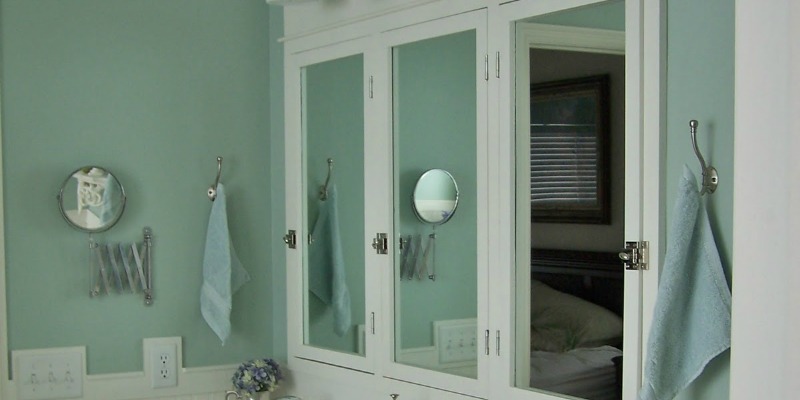
16. Classic Recessed Medicine Cabinet
The medicine cabinet is the original in-wall storage hero. A recessed version saves space over the sink while keeping daily essentials close. Modern versions can include mirrors, lighting, outlets, and interior organizers.
17. Shower Niche for Bottles and Soap
A shower niche keeps shampoo, conditioner, body wash, razors, and soap off the floor and tub ledge. Plan the niche during a renovation so waterproofing, tile layout, slope, and placement are handled correctly.
18. Tall Bathroom Linen Niche
If your bathroom lacks a linen closet, consider a tall recessed cabinet for rolled towels, washcloths, toilet paper, and backup toiletries. Add cabinet doors to keep the room feeling calm and spa-like instead of “warehouse, but humid.”
19. Over-Toilet Wall Niche
The wall above the toilet is often underused. A recessed shelf or cabinet here can hold baskets, extra rolls, tissues, candles, and small decor. Keep it shallow so nobody bumps their head during a sleepy midnight visit.
20. Hidden Hot Tool Cabinet
A recessed bathroom cabinet with heat-safe compartments can organize hair dryers, curling irons, straighteners, brushes, and cords. Include a safe cooling area and avoid storing hot tools before they are fully off and cool.
21. Recessed Bedroom Nightstand
In a small bedroom, a recessed niche beside the bed can replace a traditional nightstand. Use it for a book, phone, glasses, lip balm, and a small reading light. It is especially useful in tight rooms where every inch matters.
22. Built-In Headboard Storage
A wall-to-wall headboard with recessed shelves can hold books, chargers, framed art, and baskets. Add outlets or USB ports if the project allows professional electrical work. The result feels custom and eliminates mismatched bedside tables.
23. In-Wall Jewelry Cabinet
A shallow recessed jewelry cabinet with a mirror door can store necklaces, rings, watches, and accessories. Velvet lining, hooks, and small drawers make it feel boutique-level fancy without taking over the dresser.
24. Kids’ Book Niche
Install a low recessed bookshelf in a child’s room or playroom so books are easy to reach. Use rounded trim edges and secure construction. Paint the back in a fun color to make reading feel like an invitation rather than homework in disguise.
25. Bunk Bed Cubby
For bunk beds or loft beds, a small wall cubby can hold a water bottle, book, flashlight, stuffed animal, or alarm clock. It is practical, cozy, and helps avoid the nightly “Can you hand me my thing?” ladder ceremony.
26. Recessed Home Office Supply Cabinet
A home office wall can hide pens, notebooks, envelopes, chargers, sticky notes, and files in a shallow built-in cabinet. Add labeled compartments for a clean workflow. Productivity may not magically appear, but at least the paper clips will stop roaming free.
27. In-Wall Charging Station
A recessed charging station can organize phones, tablets, earbuds, and cables. For any electrical additions, hire a qualified electrician. Use shelves with cord openings and a door if you want the tech clutter completely out of sight.
28. Laundry Room Cleaning Supply Cabinet
A slim in-wall cabinet in the laundry room can hold stain removers, dryer sheets, lint rollers, brushes, and cleaning sprays. Use child-safe locks if needed, especially when storing chemicals or sharp tools.
29. Recessed Ironing Board Cabinet
A fold-down ironing board cabinet is a classic space-saver for laundry rooms, closets, and dressing areas. It folds into the wall when not in use, which is exactly where ironing belongs most of the time: hidden.
30. Mudroom Gear Wall
A built-in mudroom wall can combine recessed cubbies, hooks, baskets, charging shelves, and closed cabinets. Assign each person a zone for bags, coats, sports gear, and shoes. The secret is labeling before the chaos negotiates better terms.
31. Pet Feeding Station
A low recessed feeding station can hold food and water bowls while keeping them out of the main walkway. Add wipeable surfaces and choose a location away from doors to reduce spills.
32. Garage Tool Niche
In a garage or workshop, a recessed tool cabinet can organize screwdrivers, wrenches, small hardware, tape measures, and safety glasses. Add pegboard backing, shallow drawers, or magnetic strips for flexible storage.
Design Details That Make In-Wall Storage Look Expensive
The difference between “custom built-in” and “hole in the wall with shelves” comes down to finishing. Trim is your friend. A simple frame around a recessed shelf can make it look intentional. Paint the niche the same color as the wall for a seamless effect, or use contrast paint, wallpaper, tile, wood, or stone for a focal point.
Lighting also changes everything. A small LED strip or picture light can turn a display niche into a design feature. Glass shelves make bathroom niches feel lighter. Cabinet doors calm down busy storage zones. Brass, matte black, nickel, or wood hardware can tie the built-in to the rest of the room.
For open shelves, style with breathing room. A practical rule: mix useful items with attractive containers. For example, in a bathroom niche, use matching bottles or baskets. In a kitchen spice niche, use consistent jars. In a hallway drop zone, use one tray instead of seven tiny bowls that all somehow contain one dead battery.
Best Rooms for Beginner-Friendly In-Wall Storage
If you are new to DIY, start with a dry interior wall in a low-risk room, such as a hallway, bedroom, closet, pantry, or office. Small between-stud shelves are more approachable than bathroom shower niches, which require waterproofing and tile expertise.
Bathrooms and kitchens offer amazing storage potential, but they also contain more plumbing and electrical lines. Exterior walls may contain insulation and moisture barriers. Load-bearing walls require professional review if your plan affects framing. When in doubt, keep the project shallow, small, and reversibleor bring in a pro.
Real-Home Experience: What Actually Works With In-Wall Storage
In-wall storage sounds glamorous until you stand in front of a blank wall wondering whether it contains a pipe, a wire, or the ghost of past renovation decisions. The most successful projects usually start with one very specific annoyance. Maybe the bathroom counter is always crowded. Maybe the entryway eats keys. Maybe the pantry has three jars of cumin because no one can see the first two. When the problem is specific, the storage solution becomes smarter.
One of the biggest lessons from real homes is that shallow storage is not a limitation; it is the point. Deep cabinets invite clutter to form archaeological layers. Shallow shelves keep everything visible. A between-studs spice rack, for example, may not hold a giant cereal box, but it can keep every small jar in sight. That means fewer duplicate purchases and fewer moments of finding expired paprika from a previous era of your personality.
Another practical experience: open niches look best when they store attractive or uniform items. Rolled towels, books, ceramics, candles, and matching jars look wonderful. Loose cords, half-empty bottles, and random plastic packaging do not. For messier categories, doors are worth the investment. A recessed cabinet with a flat-panel door can hide the chaos while preserving the clean look that made you want in-wall storage in the first place.
Placement matters more than people expect. A shower niche should be reachable but not blasted directly by water all day. A bedside niche should align with the mattress height. A hallway shelf should not stick out where shoulders will hit it. A pet feeding station should be low enough for the pet and easy enough for humans to clean. Good storage supports habits that already exist instead of forcing the whole household to behave like a catalog photo.
Finishing is where the project earns its charm. Even a simple recessed shelf can look high-end when it has clean trim, smooth caulk lines, a durable paint finish, and balanced proportions. If the niche looks too plain, add a wood back panel, peel-and-stick wallpaper, tile, or a contrasting color. If it looks too busy, paint everything one color and use matching bins. Small adjustments can take the project from “weekend experiment” to “custom detail guests ask about.”
Finally, in-wall storage works best when it is treated as part of the room’s design, not just a hiding spot for stuff. The goal is not to store everything you own inside the walls like a squirrel preparing for winter. The goal is to make daily life smoother: fewer piles, clearer counters, easier routines, and rooms that feel more spacious. When done well, in-wall storage does not shout for attention. It simply makes the home work better, which is the kind of brilliance that never goes out of style.
Conclusion
In-wall storage is one of the smartest ways to make a home feel larger, neater, and more custom without adding bulky furniture. From recessed bathroom niches and hidden hallway shelves to kitchen spice pantries, bedroom cubbies, mudroom gear walls, and garage tool cabinets, these ideas use space that often goes unnoticed.
The key is to match the storage to the room, the wall, and the way you actually live. Use open niches for beautiful everyday items, closed cabinets for clutter, and professional help whenever plumbing, wiring, tile waterproofing, or structural changes are involved. With thoughtful planning and polished finishing, your walls can do more than hold paint. They can hold towels, books, spices, keys, tools, toys, and possibly your sanity.
Note: This publish-ready article is written in body-only HTML format and intentionally omits visible source-link blocks, as requested.


