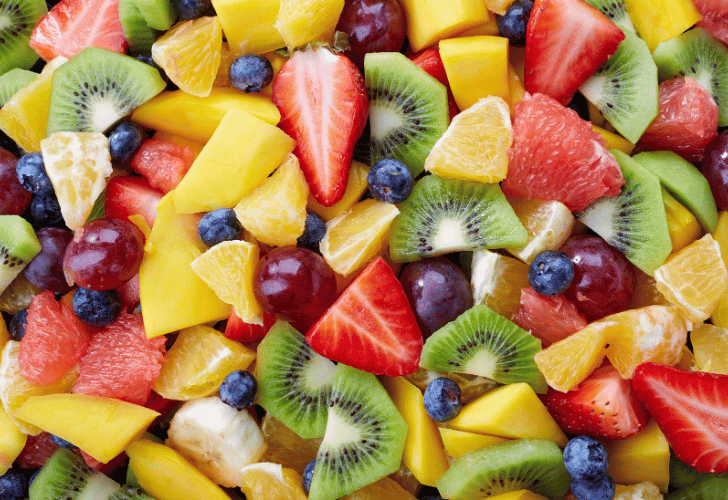

Every fruit bowl has drama. Someone praises bananas as the ultimate portable snack, while someone else claims they taste like a haunted sponge. Grapes disappearike a fiscal quarter, and pineapple somehow manages to be both delicious and mildly threatening.
That is why a fruit tier list is more fun than a plain “healthy foods” checklist. It lets you rank fruits by flavor, texture, nutrition, convenience, cost, versatility, and the all-important question: Would I happily eat this on a Tuesday afternoon without needing a cutting board, a napkin stack, and emotional support?
This guide ranks popular fruits from S-tier legends to C-tier “I respect it, but I am not buying it every week” options. The goal is not to declare one fruit morally superior to another. Nearly every whole fruit can fit into a balanced eating pattern. The real winner is the fruit you enjoy often enough to actually eat.
How This Fruit Tier List Works
A fruit ranking should not be based on sugar panic, internet trends, or whichever fruit is currently posing next to a protein shake on social media. Instead, this tier list weighs several practical factors:
- Flavor: Sweetness, tartness, aroma, and whether it makes you pause mid-bite.
- Nutrition: Fiber, vitamins, minerals, water content, and beneficial plant compounds.
- Convenience: Can you eat it while walking, commuting, or pretending to listen during a video meeting?
- Value: Price, shelf life, and how likely it is to become refrigerator archaeology.
- Versatility: Snacks, breakfasts, salads, smoothies, desserts, sauces, and savory meals all count.
- Mess factor: Some fruits are elegant. Others require a shower afterward.
Whole fruit earns extra credit because it naturally provides water and fiber. Fruit juice can still have a place, but it is easier to drink quickly and usually does not satisfy hunger in the same way as chewing a whole apple, orange, or bowl of berries. Dried fruit is convenient, but its portions are small and concentrated, so a casual handful can become a surprisingly serious snack.
Also, no fruit is automatically “bad.” A fruit that lands in B-tier may still be packed with nutrients. It may simply lose points for being expensive, difficult to prepare, wildly inconsistent, or capable of turning your kitchen into a sticky crime scene.
S-Tier Fruits: The Undisputed Fruit Bowl Champions
Berries: Strawberries, Blueberries, Raspberries, and Blackberries
Tier: S
Berries are the overachievers of the fruit world. They work in oatmeal, yogurt, pancakes, salads, smoothies, desserts, and straight from the container while standing in front of the refrigerator at 11 p.m. They are colorful, flavorful, and generally rich in fiber and vitamin C.
Raspberries and blackberries deserve special applause for their fiber content, while blueberries bring a sweet-tart flavor that can make even plain Greek yogurt feel less like a responsible adult decision. Strawberries are easy to love because they are familiar, versatile, and look like they arrived pre-designed for brunch.
The only downside is shelf life. Berries are tiny, delicious divas. Buy them on Monday, ignore them until Thursday, and they may begin producing their own ecosystem. Store them dry, refrigerated, and wash them just before eating when possible.
Apples
Tier: S
Apples are not flashy, but they are reliable in the way a great pair of jeans is reliable. They travel well, last longer than most fresh fruits, offer crunch, and pair beautifully with nut butter, cheese, yogurt, oats, salads, and even roasted pork dishes.
The best apple is deeply personal. Honeycrisp fans want explosive crunch. Granny Smith supporters enjoy a tart kick that wakes up their entire face. Fuji lovers prefer sweetness. Pink Lady fans are quietly convinced they have better taste than everyone else.
Apples also score highly because the peel contributes texture and fiber. Wash them under running water before eating, and do not use soap or detergent. Your apple should taste like an apple, not like a lemon-scented kitchen counter.
Oranges and Mandarins
Tier: S
Oranges, clementines, mandarins, and tangerines are sunshine with a zipper. They are naturally portioned, refreshing, easy to pack, and especially welcome during colder months when many people want a bright, juicy snack.
Citrus fruits bring vitamin C, water, and flavor without requiring a complicated recipe. Mandarins earn extra points for being easy to peel and kid-friendly. Oranges lose a tiny fraction of a point because peeling one in public can make you look like you are performing fruit surgery, but the payoff is worth it.
Bananas
Tier: S
Bananas are the original convenience food. They come with their own biodegradable wrapper, need no knife, and work before workouts, after workouts, during rushed breakfasts, and when you need a snack that does not cost the same as a streaming subscription.
They provide carbohydrates for quick energy and are known for potassium. Their soft texture may not excite every eater, but bananas are incredibly useful in smoothies, oatmeal, baked goods, frozen “nice cream,” and peanut butter sandwiches.
Banana ripeness is a personality test. Green banana people are patient. Yellow banana people are balanced. Brown-speckled banana people either understand baking potential or have simply forgotten to go grocery shopping.
Mangoes
Tier: S
Mangoes are dessert-level fruit without needing a reservation. When ripe, they are rich, fragrant, juicy, and almost absurdly satisfying. They work in smoothies, salsa, salads, yogurt bowls, sticky rice dishes, grilled chicken recipes, and spicy fruit salads.
Mangoes do require a little commitment. You need to navigate the pit, which is shaped like it was invented specifically to embarrass first-time mango cutters. Still, the flavor-to-effort ratio remains excellent.
A-Tier Fruits: Excellent, With a Few Tiny Quirks
Grapes
Tier: A
Grapes are dangerously snackable. One grape is a snack. Twenty-seven grapes are apparently “just checking if they are still fresh.” They are convenient, kid-friendly, easy to freeze, and great in lunch boxes, salads, cheese boards, and quick desserts.
They lose S-tier status mainly because they are easy to eat mindlessly and can be pricey depending on the season. That said, frozen grapes are one of the simplest warm-weather treats around. They become tiny icy flavor bombs with almost no effort.
Watermelon
Tier: A
Watermelon is summer in food form. It is hydrating, sweet, refreshing, and perfect for picnics, cookouts, pool days, and eating directly from the cutting board at midnight. Its high water content makes it especially refreshing in hot weather.
The drawbacks are logistics. A whole watermelon takes up half a refrigerator shelf, requires a cutting board the size of a small parking lot, and creates enough juice to make your kitchen feel vaguely tropical. Still, few fruits deliver as much joy per bite.
Pears
Tier: A
A ripe pear can be magnificent: soft, floral, honeyed, and almost buttery. A not-quite-ripe pear, however, can feel like chewing a decorative candle. Pears require timing. They often ripen after purchase, then suddenly become perfect for approximately nine minutes.
When you catch them at the right moment, they are wonderful in salads, oatmeal, baked desserts, cheese boards, and savory dishes with walnuts or blue cheese. Pears are the fruit equivalent of a difficult but talented artist.
Pineapple
Tier: A
Pineapple brings serious tropical flavor, a satisfying sweet-tart balance, and impressive versatility. It belongs in fruit salads, smoothies, salsas, grilled dishes, stir-fries, and yes, pizza debates that have destroyed friendships.
The downside is preparation. A whole pineapple looks friendly until you try to cut it. Then it becomes a spiky geometry exam. Pre-cut pineapple is convenient, but it often costs more, so this fruit earns an A rather than an S.
Kiwi
Tier: A
Kiwis are small but mighty. Their bright green interior, dark seeds, tangy-sweet flavor, and soft texture make them memorable. They are great sliced over yogurt, blended into smoothies, spooned straight from the skin, or added to fruit salads for a little zip.
They lose a few points because they are not always cheap and because their fuzzy brown exterior does not exactly scream “eat me immediately.” Still, kiwi fans know the truth: beneath that fuzzy jacket lives a flavor superstar.
Peaches and Nectarines
Tier: A
Peaches and nectarines are seasonal treasures. A perfectly ripe peach can be fragrant, sweet, dripping with juice, and borderline poetic. Nectarines offer a similar experience with smooth skin, which makes them a favorite for people who consider peach fuzz a design flaw.
They are excellent fresh, grilled, baked into crisps, sliced into salads, or paired with cottage cheese or yogurt. Their biggest weakness is inconsistency. A great peach is a religious experience. A bland peach is a disappointment wearing a blush-colored disguise.
B-Tier Fruits: Good Choices That Need the Right Moment
Cherries
Tier: B
Cherries are delicious, festive, and impossible to eat quietly. The flavor is excellent, but the pits create a small administrative burden. You either spit pits into a bowl, carry them around awkwardly, or accidentally look like you are trying to launch tiny red marbles across the room.
They also tend to cost more than everyday fruits. When they are in season and reasonably priced, cherries can absolutely climb into A-tier territory.
Pomegranate
Tier: B
Pomegranate seeds are bright, juicy, tart, and wonderful in salads, yogurt, grain bowls, and sparkling drinks. They deserve admiration. Preparing a whole pomegranate, however, can make your kitchen resemble a very artistic mystery novel.
Pre-packaged arils solve the problem but often come with a premium price. Pomegranate is a fruit for people who enjoy flavor and do not mind a little ceremony.
Grapefruit
Tier: B
Grapefruit has bold flavor and loyal fans, especially people who like breakfast with a little dramatic bitterness. It is juicy, refreshing, and works well broiled, chilled, or added to salads.
It ranks lower only because the flavor is polarizing and grapefruit can interact with certain medications. Anyone taking prescription medicine should ask a pharmacist or clinician whether grapefruit is appropriate for them. For everyone else, a chilled ruby grapefruit can be a seriously underrated breakfast move.
Papaya
Tier: B
Papaya has a soft texture, tropical sweetness, and a distinct flavor that people either adore or approach with cautious diplomacy. It shines with lime juice, chili, yogurt, or in tropical fruit bowls.
Its B-tier ranking is not a nutrition complaint. It is simply a flavor compatibility issue. Papaya is like cilantro, jazz fusion, or black licorice: it knows its audience and does not need universal approval.
Plums
Tier: B
Plums have beautiful colors, a sweet-tart taste, and enough variety to keep things interesting. They are great fresh, roasted, baked, or turned into jam. Yet they can be surprisingly inconsistent. Some are perfectly juicy; others are overly firm, overly sour, or somehow both.
Still, a great plum deserves respect. It is a quiet fruit with big potential.
C-Tier Fruits: Respectable, But Not Always Worth the Effort
Fresh Figs
Tier: C
Fresh figs are beautiful and luxurious, especially paired with cheese, honey, nuts, or prosciutto. But they are delicate, expensive, and often available for only a short window. They are more “special occasion fruit board” than “Tuesday lunchbox staple.”
Coconut
Tier: C
Coconut is technically a fruit and undeniably useful in cooking, baking, curries, desserts, and beverages. Eating a fresh coconut, however, requires tools, patience, and sometimes the confidence of a medieval blacksmith.
It earns points for flavor and versatility, but loses points for accessibility. Most people are not cracking coconuts between errands.
Persimmons
Tier: C
Persimmons can be wonderful when ripe: sweet, smooth, and almost honey-like. Unfortunately, the wrong variety eaten too early can be intensely astringent. One bite may convince you that your mouth has been replaced with a wool sweater.
When you know what you are buying and how ripe it should be, persimmons can move higher. Until then, they remain a fruit with excellent potential and a confusing instruction manual.
Durian
Tier: C, but With S-Tier Confidence
Durian has devoted fans who describe it as rich, creamy, custardy, and unforgettable. It also has critics who believe it smells like a complicated argument. The flavor experience is intense, the aroma is famous, and the social consequences of opening one indoors may be substantial.
Durian deserves credit for being unique. It also deserves a separate bag in the refrigerator.
How to Build Your Own Fruit Ranking
The best fruit tier list is personal. Your ranking should reflect your taste, budget, dietary needs, cooking habits, and access to fresh produce. Someone training for a race may rank bananas near the top. Someone who loves baking may place apples, peaches, and berries in S-tier. Someone who wants low-prep office snacks may crown mandarins and grapes.
Ask These Questions Before Ranking a Fruit
- Do I genuinely enjoy the flavor?
- Will I buy it regularly?
- How much preparation does it require?
- Does it stay fresh long enough for my schedule?
- Can I use it in more than one meal or snack?
- Does it fit my budget during its season?
- Would I recommend it to someone who is trying to eat more whole fruit?
A fruit tier list can also change with the season. Watermelon may be S-tier in July and merely “fine” in January. Apples are reliable year-round. Berries may jump in ranking when local prices drop. Peaches become royalty for a few weeks and then vanish like a celebrity after an awards show.
Smart Ways to Enjoy More Fruit
Choose Whole Fruit More Often Than Juice
Whole fruit is usually the most satisfying option because it includes the pulp, structure, water, and fiber that juice often leaves behind. That does not mean juice is forbidden. A small glass of 100% juice can fit into many eating patterns, especially when paired with meals. But if the goal is staying full and making fruit a regular snack, whole fruit usually wins.
Keep Frozen Fruit in the Freezer
Frozen fruit is one of the most underrated grocery store purchases. It works in smoothies, oatmeal, yogurt, sauces, muffins, and quick desserts. Look for unsweetened frozen fruit without added syrups. Frozen berries are especially useful when fresh berries are expensive or out of season.
Use Canned Fruit Wisely
Canned fruit can be convenient and budget-friendly. Choose options packed in water, their own juice, or 100% fruit juice when possible. Heavy syrup is not a crime, but it is usually unnecessary when fruit already has plenty of natural sweetness.
Wash Fruit Correctly
Wash fresh produce under plain running water before eating or preparing it. Even fruits with peels, such as oranges, melons, and bananas, should be rinsed if you will cut them because a knife can transfer surface dirt to the edible portion. Skip soap, detergent, bleach, and commercial produce cleaners. Fruit deserves a rinse, not a bubble bath.
Pair Fruit With Protein or Healthy Fat
Fruit can become a more satisfying snack when paired with yogurt, nuts, nut butter, cheese, chia seeds, cottage cheese, or a handful of roasted chickpeas. Apple slices with peanut butter, berries with yogurt, bananas with tahini, and pears with walnuts all offer a mix of flavor, texture, and staying power.
Fruit Tier List FAQ
What is the healthiest fruit?
There is no single healthiest fruit for everyone. Berries, citrus, apples, bananas, kiwi, mangoes, grapes, melons, and many other fruits all contribute useful nutrients. Variety matters more than crowning one fruit as the permanent champion.
Are bananas too high in sugar?
Bananas contain natural sugars, but they also provide fiber, potassium, and carbohydrates that can be useful for energy. For most people, bananas can be part of a healthy eating pattern. Portion needs may vary for people managing specific health conditions, so personalized guidance can help when needed.
Is dried fruit healthy?
Dried fruit can be nutritious and convenient, but it is concentrated. A small serving can contain a lot of fruit because much of the water has been removed. Choose varieties without added sugar when possible and pay attention to portions.
Should avocado be on a fruit tier list?
Absolutely. Botanically, avocado is a fruit. It is less sweet than typical snack fruits, but it is incredibly versatile and provides healthy fats and fiber. In a savory-fruit division, avocado is easily S-tier.
Can fruit fit into a diabetes-friendly eating pattern?
Yes. Fruit contains carbohydrates, so portion awareness matters for people monitoring blood glucose. Whole fruit is generally a better everyday choice than juice because it contains fiber. Pairing fruit with protein or fat can also make snacks feel more balanced.
Final Thoughts: Your Fruit Tier List Is Allowed to Be Weird
A fruit tier list should not be a nutrition lecture disguised as a personality test. It should help you notice which fruits make healthy eating easier, more satisfying, and less boring. Put berries in S-tier because they make breakfast better. Put bananas in S-tier because they are cheap, portable, and always ready. Put mangoes in S-tier because life is too short to pretend they are not spectacular.
Rank pomegranate lower because you do not enjoy excavating tiny jewels from a red grenade. Rank grapefruit low because bitterness is not your love language. Put watermelon at the top because summer would feel incomplete without it. There are no fruit police, although someone may still challenge your ranking of pineapple.
The most useful fruit is the one you will wash, slice, pack, share, blend, bake, or eat straight from the bowl. Build a colorful rotation, buy what is in season when possible, and let your fruit preferences evolve. Taste buds are allowed to change their minds. Your grocery list is allowed to do the same.
Fruit Tier List Experiences: The Stories Behind the Rankings
A fruit tier list may seem like a small internet game, but it has a funny way of revealing how people actually live. Ask ten people to rank apples, bananas, watermelon, mangoes, and grapes, and you will get ten different versions of childhood memories, grocery budgets, summer vacations, school lunches, and snack habits.
For many people, apples belong near the top because they are tied to routine. They were packed into lunch boxes, grabbed after school, sliced for peanut butter, or eaten in the car on the way to practice. Apples do not need a special occasion. They are there when the fridge is nearly empty and when you need something crisp enough to wake you up after a long afternoon.
Bananas often earn high rankings for a different reason: survival. They are the breakfast fruit people eat when they oversleep. They are the snack people grab before a workout, after a workout, or while answering emails with one hand. A banana may not look glamorous, but it has rescued more rushed mornings than most people will admit.
Then there are the seasonal fruits that feel emotional. Watermelon can bring back backyard cookouts, sticky hands, paper plates, and the sound of someone announcing that they found a “really sweet one.” Peaches can remind people of roadside stands, hot afternoons, and juice running down their wrists. Cherries can feel like a short summer luxury because they appear, cost too much, disappear quickly, and somehow remain worth it.
Berries often create a different kind of experience: the quiet satisfaction of making an ordinary breakfast feel upgraded. A handful of blueberries can make oatmeal feel intentional. Strawberries can rescue plain yogurt from boredom. Raspberries can make someone feel like they are eating dessert even when they are simply trying to have a sensible snack between meetings.
Some fruits earn low rankings because of one bad experience. Maybe a person once bit into an unripe persimmon and spent the next ten minutes questioning every decision that led to that moment. Maybe someone tried cutting a pineapple without watching a tutorial and lost both patience and half the fruit. Maybe papaya tasted strange the first time, and now it lives permanently in the “I respect it from a distance” category.
Fruit rankings also change when people learn how to use a fruit differently. Someone may dislike bananas until they freeze them for smoothies. Someone may think pears are boring until they try one with blue cheese and walnuts. Someone may ignore mangoes until they taste a perfectly ripe one. Someone may dislike grapefruit until they add a pinch of salt or broil it lightly for breakfast.
The best part of making a fruit tier list is that it encourages experimentation without pressure. You do not have to suddenly love every fruit in the produce aisle. Try one new fruit, buy one old favorite, and notice what works in your real life. Your rankings may change with the season, your cooking skills, your budget, or your mood. That is not inconsistency. That is simply having taste buds and a refrigerator.


