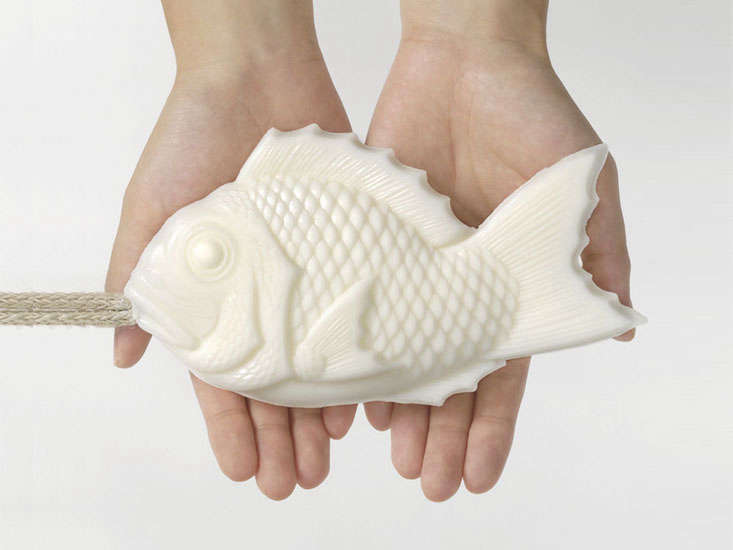

Some soaps are made to clean your hands. Others are made to quietly sit by the sink and look like they have a better design degree than your coffee table. Tamanohada Welcome Soap – Black Fish (Brown Sugar) does both. It is a sculptural Japanese soap shaped like a celebratory sea bream, scented with a warm muscovado-style brown sugar fragrance, and finished with a rope so it can hang like a small piece of bathroom art. Yes, it is technically soap. No, it does not behave like the boring bar you forgot in a hotel shower in 2011.
For anyone searching for a Japanese fish soap, a luxury soap on a rope, or a memorable housewarming gift, this black Tamanohada Welcome Soap stands out because it combines everyday function with symbolism, craftsmanship, fragrance, and a wink of humor. It is the sort of object that makes guests ask, “Wait, is that a fish?” followed quickly by, “Where did you get it?”
What Is Tamanohada Welcome Soap – Black Fish?
Tamanohada Welcome Soap is a gift-style body and hand soap from Tamanohada, a long-established Japanese soap maker founded in Tokyo in 1892. The “Welcome Soap” line is known for its large fish-shaped design, natural linen rope, gift box presentation, and playful connection to Japanese celebration culture. The black version is the Muscovado or Brown Sugar scent, sometimes described as a rich brown sugar fragrance blended with a soft floral bouquet.
The fish shape is not random. In Japan, sea bream, or tai, is associated with celebration, good fortune, and auspicious occasions. That makes this soap especially suitable for housewarmings, wedding gifts, thank-you presents, guest bathrooms, and anyone who appreciates objects with a story. It is charming without being childish, refined without being stiff, and practical without looking like it was designed by a committee wearing beige cardigans.
Why the Fish Shape Matters
The Black Fish Welcome Soap uses the visual language of celebration. Sea bream appears in Japanese festive meals and gift traditions because it is linked to happiness and good luck. Tamanohada turns that cultural symbol into a bathroom object that feels both traditional and modern. The result is not just a cleanser but a small ritual: hang it, admire it, lather it, rinse, repeat.
The form is inspired by traditional wooden molds used for Japanese sweets such as rakugan. That detail matters because it explains why the soap looks more like a carefully pressed confection than a mass-market bath bar. The scales, fins, curved body, and cheerful profile create visual texture. It has enough detail to feel special, but not so much that using it feels like vandalizing a museum artifact. Although, the first time you lather it, you may briefly whisper, “Sorry, little fish.” That is normal.
The Brown Sugar Scent: Warm, Soft, and Surprisingly Elegant
The black version is often described as Brown Sugar or Muscovado. Muscovado sugar has a darker, richer character than plain white sugar, and the scent direction follows that idea: warm, gently sweet, and rounded. This is not a loud candy-shop fragrance. It is closer to a refined brown sugar note with a floral softness in the background.
That balance is important. A soap shaped like a fish already has personality; it does not need to smell like a cupcake wearing cologne. The fragrance feels cozy but polished, making it suitable for both modern bathrooms and more traditional spaces. It can also lightly scent the room when hung or placed near a sink, especially before regular use. Think of it as a tiny, well-behaved bathroom guest that happens to smell better than most actual guests.
Ingredients and Skin Feel
Tamanohada Welcome Soap is generally described as a plant-based soap. Common ingredient listings for the Muscovado version include sodium palmate, water, sodium palm kernelate, glycerin, sorbitol, palm kernel acid, fragrance, sodium chloride, tetrasodium etidronate, tetrasodium EDTA, iron oxides, and charcoal powder. These ingredients help create a firm bar, creamy lather, stable texture, and the distinctive black color.
Glycerin and sorbitol are humectant-style ingredients often used in personal care formulas to support a smoother feel during washing. The bar lathers well with water and gives a clean finish without the slippery heaviness of some oil-rich soaps. It is designed for hands and body, and many users enjoy it in guest bathrooms because it is decorative before use and functional once wet.
Like any fragranced product, it may not be ideal for everyone. If your skin is highly sensitive, reactive, or prone to fragrance irritation, test it on a small area first. The soap is delightful, but your skin gets the final vote, and your skin is not afraid to file a complaint.
How to Use Tamanohada Black Fish Soap
For Hands
Wet your hands and the soap with water or lukewarm water. Rub the surface until it creates a creamy lather, wash thoroughly, and rinse well. Because the soap is larger than a typical hand soap bar, you may prefer to hang it near the sink using the rope rather than leaving it flat on a dish.
For Body
In the shower, wet the soap and work it between your hands or onto a washcloth. Massage the lather over the body, then rinse completely. The soap’s size makes it easy to grip at first, while the rope gives you a convenient way to hang it after use.
For Display
Before using it, you can hang the soap in a powder room or place it on a tray as a decorative accent. It brings a subtle fragrance and visual curiosity to the space. This is one of the few soaps that can improve a bathroom before it even touches water. That is not soap behavior; that is interior design behavior.
Why the Rope Is More Than a Cute Detail
The rope is practical. Hanging the soap helps it dry between uses, which can extend the life of the bar compared with letting it sit in a puddle. A dry soap lasts longer, looks better, and avoids the tragic mushy-soap situation familiar to anyone who has ever owned a badly drained soap dish.
The rope also reinforces the gift-like character of the product. It makes the soap feel like an object designed for display, not just storage. In a guest bathroom, the hanging fish shape creates an instant focal point. In a shower, it saves ledge space. In a gift box, it creates the satisfying feeling that someone thought through the details.
Design Appeal: Minimalist, Playful, and Memorable
The Tamanohada Black Fish Soap works because it refuses to choose between beauty and utility. Its color is dramatic, its silhouette is playful, and its packaging makes it feel like a gift before the wrapping paper even enters the chat. It fits beautifully into minimalist bathrooms, Japanese-inspired interiors, boutique guest rooms, creative studios, and homes where people secretly judge soap dispensers.
The black color gives it a modern edge. While the red pomegranate and white lily versions lean bright or delicate, the black brown sugar version feels moodier and more sophisticated. It pairs well with stone sinks, brass fixtures, dark wood, white tile, linen towels, and other natural textures. In short, it has range.
Who Should Buy This Soap?
Design Lovers
If you enjoy objects that turn everyday routines into small experiences, this soap is an easy win. It is functional, sculptural, and conversation-starting.
Gift Shoppers
As a housewarming gift, host gift, wedding favor, or thank-you present, the Welcome Soap feels more personal than a candle and more useful than another decorative bowl that will spend its life holding keys and regret.
Fans of Japanese Craft
The soap carries a sense of Japanese hospitality, celebration, and thoughtful design. It is a small item, but it tells a larger story about turning daily care into ritual.
Guest Bathroom Perfectionists
If your guest bathroom already has folded towels, a nice mirror, and a mysterious tiny plant that somehow survives on compliments alone, this soap belongs there.
How It Compares With Ordinary Bar Soap
An ordinary bar soap is usually purchased because someone ran out of soap. Tamanohada Welcome Soap is purchased because someone wants the soap to do more: look good, smell good, feel good, and make a simple routine more enjoyable. That difference matters for shoppers who care about presentation and experience.
Compared with standard drugstore bars, this soap is larger, more decorative, more giftable, and more symbolic. Compared with liquid hand wash, it creates less of the disposable plastic-bottle feeling and offers stronger visual personality. Compared with novelty soaps, it feels more refined and less gimmicky. The fish shape is playful, but the craftsmanship keeps it elegant.
Care Tips to Make It Last Longer
To keep the soap looking and performing its best, hang it after use whenever possible. Avoid leaving it in standing water. If you prefer a dish, choose one with drainage. Use lukewarm water rather than very hot water, since hot water can make soaps soften faster and may also leave skin feeling drier.
If you are using it mostly as a decorative room fragrance at first, keep it away from direct shower spray. This preserves the shape and scent until you are ready to use it regularly. Once it becomes part of your washing routine, let it dry fully between uses. The soap is charming, but it is not a submarine. Do not make it live underwater.
Where It Fits in a Modern Bathroom
The Black Fish version looks best when treated as part of the room’s design. Hang it from a simple hook, place it on a ceramic tray, or pair it with neutral towels and natural textures. Its dark tone creates contrast in light bathrooms and blends beautifully with moody, spa-like interiors.
For a guest bathroom, place it where people can see it without needing instructions. The shape will do the talking. For a primary bathroom, keep it near the sink or shower as a daily-use luxury. For a gift basket, pair it with a linen towel, Japanese incense, bath salts, or a small ceramic dish. Suddenly, you are not giving soap; you are giving a tiny lifestyle upgrade with fins.
Is It Worth It?
Yes, if you value design, fragrance, symbolism, and gift presentation. This is not the cheapest way to wash your hands, and it does not pretend to be. Its value comes from the full experience: the Japanese craft story, the sea bream shape, the brown sugar fragrance, the rope, the box, and the way it transforms a sink area from “fine” to “oh, that’s interesting.”
If you only want a basic cleanser, a plain bar will do the job. But if you want a luxury Japanese soap that doubles as decor and makes a memorable gift, Tamanohada Welcome Soap – Black Fish is a strong choice. It is practical enough to use and beautiful enough to hesitate before using. That tension is part of the fun.
Experience Notes: Living With the Tamanohada Black Fish Soap
The first experience with Tamanohada Welcome Soap usually begins before the first wash. The box gives it a ceremonial feeling, almost like opening a small design object rather than a bath product. The black fish shape immediately catches the eye. It has weight, texture, and presence. Put it near a sink, and suddenly the sink looks curated. Put it in a guest bathroom, and guests become amateur art critics in under ten seconds.
In daily use, the soap feels best when treated with a little care. Wetting the surface brings up a smooth, creamy lather that spreads easily over the hands. The brown sugar scent appears gently rather than aggressively. It is warm enough to feel cozy but not so sweet that it follows you around the house like a dessert cart. After rinsing, the skin feels clean and lightly scented. People who enjoy fragrance will likely appreciate the soft trail; people who avoid scented products should test carefully first.
The rope quickly becomes one of the most useful features. Instead of sliding around a soap dish or slowly dissolving on the edge of the tub, the bar can hang and dry. That makes the whole experience neater. It also keeps the fish shape visible for longer, which is important because half the pleasure of this soap is seeing it. The other half is watching someone notice it for the first time and try to politely ask why there is a fish in the bathroom.
As a guest soap, it performs beautifully. Many guest bathrooms are either too plain or too decorated, but this soap lands in the middle: useful, attractive, and slightly unexpected. It gives the room personality without requiring a full renovation or a dramatic wallpaper decision. It also creates a subtle hospitality message. A guest sees it and understands that the details were considered. That is exactly why the “Welcome Soap” name works.
As a gift, the Black Fish version feels especially versatile. The color is sophisticated, the scent is warm, and the sea bream symbolism adds meaning without requiring a long lecture. It works for design-minded friends, new homeowners, newlyweds, hosts, teachers, coworkers, or anyone who enjoys beautiful practical things. It is more distinctive than a standard candle and less risky than buying perfume. Soap is universal; fish-shaped brown sugar soap is memorable.
The only real challenge is deciding when to use it. Some owners may want to preserve it as decor for weeks before finally giving in. That is understandable. The best approach is to enjoy both phases: let it scent and decorate the room first, then use it as intended. A beautiful object that never gets used can become a tiny museum piece. A beautiful object that becomes part of daily life earns its keep. Tamanohada Black Fish Soap does both with style, charm, and just enough humor to make handwashing feel less like a chore and more like a tiny ceremony.
Conclusion
Tamanohada – Welcome Soap – Black Fish (Brown Sugar) is more than a luxury bar soap. It is a thoughtful Japanese gift, a decorative bathroom accent, a warm brown sugar-scented cleanser, and a small symbol of good fortune shaped like a sea bream. Its plant-based formula, rope design, gift-ready presentation, and playful elegance make it ideal for anyone who wants everyday objects to feel a little more intentional.
It is not trying to be the loudest soap on the shelf. It is trying to be the one people remember. And honestly, when your soap can clean, decorate, scent, symbolize prosperity, and make guests smile, it deserves a little applause. Preferably dry applause, because wet hands are slippery.
Note: Product details, packaging, scent descriptions, and ingredient lists may vary by retailer or production batch. Always review the product label before use, especially if you have sensitive skin, fragrance allergies, or specific ingredient concerns.