
Looking for a pet that brings joy without turning your life into a full-time zookeeping internship? Good news: low-maintenance pets do exist. Bad news: “low-maintenance” does not mean “decorative object with a heartbeat.” Every animal needs food, clean housing, enrichment, veterinary care, and a human who remembers they exist after the first week of cuteness wears off.
The easiest pets to take care of are usually animals with predictable routines, smaller space needs, simple diets, and less demand for constant training or outdoor exercise. That makes them great options for busy adults, apartment dwellers, responsible older kids, first-time pet owners, and anyone who wants companionship without needing to schedule their life around a border collie’s cardio plan.
Below is a practical, honest list of the top 10 low-maintenance pets, ranked with real-world care in mind. You will find fish, reptiles, small mammals, birds, and one classic independent companion who has been judging humans from sunny windowsills for centuries.
What Makes a Pet Low-Maintenance?
A low-maintenance pet usually has a few key qualities: it does not need multiple walks a day, it can live comfortably in a properly designed indoor habitat, it has a manageable diet, and it does not require constant grooming. However, the setup matters. A betta fish in a tiny unfiltered bowl is not “easy”; it is simply being asked to survive a bad apartment. A hamster without bedding, enrichment, or cleaning is not low-maintenance; it is a tiny roommate filing a silent complaint.
The best approach is to choose a pet whose needs match your time, budget, space, noise tolerance, and comfort level. Also consider lifespan. A mouse may live only a couple of years, while a corn snake or budgie can be a long commitment. Small does not always mean simple, and cute does not automatically mean kid-proof.
Top 10 Low-Maintenance Pets for Beginners
1. Betta Fish
Betta fish are often named the easiest pets to take care of because they are quiet, beautiful, and do not need cuddles, training, or a tiny fish leash. They are a good match for people who enjoy watching a pet more than handling one. A single betta can become the jewel of a desk, bedroom, or apartment living room.
The catch is that bettas still need a real aquarium setup. A filtered, heated, cycled tank is far better than the old-fashioned bowl myth. They need clean water, stable temperature, appropriate food, and regular partial water changes. Once the tank is established, the routine is straightforward: feed small amounts, check water quality, remove waste, and maintain the filter.
Best for: Adults, teens, apartment dwellers, and beginners willing to learn basic aquarium care.
Maintenance level: Low after proper setup.
Funny-but-true note: A betta will not bark at the mail carrier, but it may flare dramatically at its reflection like it just discovered a lifelong enemy.
2. Leopard Gecko
Leopard geckos are among the most beginner-friendly reptiles. They are quiet, small, generally calm when handled gently, and do not require daily walks, litter boxes, or emotional debates about couch ownership. Their care is mostly about maintaining the right enclosure: proper heat, hiding spots, clean substrate, fresh water, and an insect-based diet.
Compared with many reptiles, leopard geckos are easier because they do not require huge habitats or complex social interaction. They are nocturnal or crepuscular, meaning they are often most active in the evening. That makes them fun for people who come home after work and want a low-key pet to observe.
Best for: Reptile beginners, quiet households, and people comfortable feeding live insects.
Maintenance level: Low to moderate.
Important caveat: Reptiles are not ideal for households with children under 5 or anyone immunocompromised unless strict hygiene and expert guidance are followed.
3. Corn Snake
Corn snakes are popular beginner snakes because they are usually docile, attractive, and relatively simple to care for once their habitat is correct. They do not need daily feeding as adults, they do not make noise, and they are not going to scratch your furniture unless your furniture is somehow a mouse.
Their care revolves around enclosure security, proper heat gradients, humidity, clean water, safe handling, and a species-appropriate diet. Corn snakes eat whole prey, usually frozen-thawed rodents, which is a deal-breaker for some people and perfectly manageable for others. They also live for many years, so this is not a “try it for a semester” pet.
Best for: Calm adults or teens who enjoy reptiles and understand long-term commitment.
Maintenance level: Low once the habitat is stable.
Not for: People who cannot handle feeding rodents or maintaining reptile hygiene.
4. Syrian Hamster
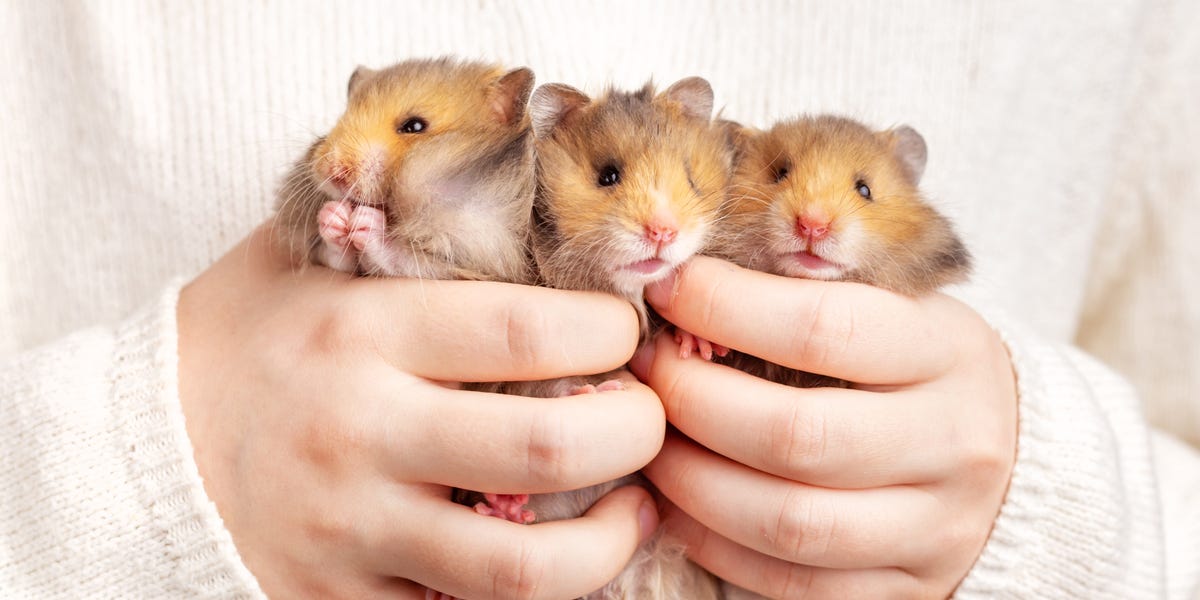
Hamsters are classic low-maintenance pets, especially for people who want a small animal but do not have space for a large enclosure. Syrian hamsters are solitary, which means one hamster per habitat. This is convenient for beginners because you do not need to manage group dynamics. No hamster roommate drama, no tiny passive-aggressive notes on the wheel.
Hamsters need a spacious enclosure, deep bedding for burrowing, a safe exercise wheel, chew toys, hiding areas, fresh water, and a balanced pellet-based diet with small treats. They are mostly nocturnal, so they may be most entertaining after sunset. This can be delightful for night owls and less delightful for children who want a pet to play with at 3 p.m.
Best for: Teens, adults, and families with realistic expectations about handling.
Maintenance level: Low to moderate.
Tip: Choose a large, secure enclosure. Many cages sold for hamsters are too small for healthy behavior.
5. Gerbils
Gerbils are active, curious, and often more social than hamsters. They love to dig, tunnel, chew, and rearrange their habitat like tiny contractors with strong opinions. Gerbils usually do best in same-sex pairs or small compatible groups, so they can be more entertaining to watch than a solitary pet.
Their care is manageable: daily feeding, fresh water, safe bedding, chew toys, tunnels, and regular habitat cleaning. They are generally less smelly than some small pets when kept properly, and their energetic personalities make them fun for people who enjoy observing natural behavior.
Best for: Beginners who want active small pets and can provide a deep-bedding habitat.
Maintenance level: Low to moderate.
Watch out for: Handling by the tail. Gerbils are delicate, and rough handling can cause injury.
6. Fancy Mice
Pet mice are tiny, affordable, and fascinating. They are excellent for people who enjoy setting up habitats, watching social behavior, and providing enrichment without needing a large space. Female mice can often live in pairs or small groups if introduced properly and housed well, while males are often kept alone to avoid fighting.
Mice need clean bedding, a secure enclosure, fresh food and water, nesting material, tunnels, wheels, and chew toys. They are quick and fragile, so they are better for gentle, observant owners than for very young children. Think of them as tiny athletes, not plush toys with whiskers.
Best for: Small-space living, older children with supervision, and adults who like habitat design.
Maintenance level: Low.
Bonus: Mice are fun to watch and can make a simple room feel like it has its own miniature wildlife documentary.
7. Pet Rats
Rats deserve a better public relations team. Pet rats are intelligent, social, clean, and often affectionate. They can learn routines, recognize people, and enjoy supervised playtime. Compared with many small pets, they are more interactive, which makes them rewarding companions for owners who want personality without taking on a dog.
Rats are not maintenance-free, though. They need a roomy cage, daily attention, safe enrichment, spot cleaning, weekly bedding changes, and ideally same-sex companionship. They also have short lifespans, typically only a few years, which can be emotionally tough. But for the right owner, rats are among the best low-maintenance pets with real social connection.
Best for: Adults and teens who want a smart, interactive small pet.
Maintenance level: Moderate, because they need daily social time.
Fun fact: A happy rat can seem like a pocket-sized dog who has read a few science textbooks.
8. Guinea Pigs
Guinea pigs are gentle, vocal, and charming. They are famous for their wheeks, squeaks, and snack-related announcements. Compared with hamsters, they are often easier to handle and more social, but they also require more room and more daily care.
Guinea pigs need a large enclosure, unlimited hay, fresh water, vitamin C, quality pellets, vegetables, hiding places, and regular cleaning. They are social animals and often do best with another compatible guinea pig. They are not the lowest-maintenance pet on this list, but they are one of the easiest pets for families who want a small animal that is visible, interactive, and less fragile than mice or hamsters.
Best for: Families, gentle children with adult supervision, and owners who want a talkative small pet.
Maintenance level: Moderate.
Important note: They need daily fresh food and careful digestive health monitoring.
9. Budgies
Budgies, also called parakeets, are cheerful little birds with big personalities. They are colorful, social, and capable of learning sounds or even words. They do not need walks, but they do need daily interaction, cage cleaning, safe toys, mental stimulation, and routine veterinary care.
Budgies can be a good beginner bird because they are smaller and generally less demanding than larger parrots. However, birds are not decorations. A bored budgie can become stressed, noisy, or unhealthy. They need a properly sized cage, perches, safe chewing toys, a balanced diet, and time with their people.
Best for: People who enjoy sound, interaction, and daily routine.
Maintenance level: Moderate.
Reality check: If silence is your love language, a bird may not be your soulmate.
10. Adult Cats
Adult cats can be surprisingly low-maintenance compared with dogs, especially if they are healthy, spayed or neutered, indoor-only, and matched to your household. Cats do not need outdoor walks, usually groom themselves, and can be content with food, water, clean litter boxes, scratching posts, toys, windows, and human attention on their preferred schedule.
The reason adult cats rank lower on this list is cost and commitment. They need veterinary care, vaccinations, parasite prevention, dental attention, litter, food, and enrichment. They also live much longer than small mammals. Still, for many people, an adult cat is the perfect low-maintenance companion: affectionate without being clingy, playful without being chaotic, and independent enough to make you feel slightly underqualified to own your own furniture.
Best for: Apartment dwellers, working adults, and families wanting a companion pet.
Maintenance level: Moderate but very manageable.
Best choice: Adopt an adult cat whose personality is already known. A calm adult cat is often easier than a kitten with parkour ambitions.
Pets That Seem Easy but Usually Are Not
Some pets look low-maintenance until you meet the fine print. Turtles, for example, are fascinating but require large aquatic setups, strong filtration, UVB lighting, temperature control, specialized diets, and careful hygiene. Rabbits are adorable, but they need space, litter training, hay, chewing outlets, social time, and careful handling. Ferrets are playful but energetic, mischievous, and often expensive to care for. Hermit crabs are frequently marketed as simple pets, but they need carefully controlled humidity, temperature, substrate depth, saltwater, freshwater, and proper shells.
The lesson is simple: never choose a pet based only on cuteness or a store display. Research the adult size, lifespan, diet, habitat, cleaning routine, veterinary needs, and legal restrictions in your area. A good pet match feels easy because you prepared wellnot because the animal has no needs.
How to Choose the Easiest Pet for Your Lifestyle
If You Want Almost No Noise
Choose a betta fish, leopard gecko, corn snake, hamster, mouse, or gerbil. Avoid budgies if you are noise-sensitive, because even small birds come with built-in audio commentary.
If You Want a Pet You Can Handle
Consider rats, guinea pigs, adult cats, leopard geckos, or well-socialized hamsters. Fish are beautiful but not hands-on pets. Snakes can be handled, but they require confident, gentle technique and careful hygiene.
If You Have Very Limited Space
Betta fish, mice, hamsters, and leopard geckos can work well in smaller homes if their habitats meet proper size requirements. Do not assume that a small cage is acceptable just because the animal is small.
If You Have Young Children
Adult supervision is essential. Guinea pigs and adult cats may be better than tiny rodents because they are less fragile, but every animal needs respectful handling. Reptiles and rodents may not be suitable for children under 5 because of injury risks and germ concerns.
Real-Life Experiences: What Low-Maintenance Pet Ownership Actually Feels Like
One of the biggest surprises about low-maintenance pets is that the work is often front-loaded. The first week with a betta fish, for example, may involve learning about tank cycling, filters, heaters, water conditioners, and why “just add fish” is a phrase that has caused many aquatic side-eyes. But once the tank is stable, the routine becomes peaceful. Feed, observe, test water, change part of the water, repeat. It is less like owning a pet that demands attention and more like caring for a small living world.
Reptile ownership has a similar rhythm. A leopard gecko or corn snake does not need constant entertainment, but the enclosure must be correct. Heat, hides, humidity, substrate, and safe feeding routines matter. Once the habitat is dialed in, reptile care can feel wonderfully calm. You are not chasing a puppy with a sock in its mouth. You are checking temperatures, cleaning as needed, and appreciating an animal that seems to have mastered the art of quiet confidence.
Small mammals bring more personality and more mess. Hamsters are funny because they look like plush toys but operate like tiny nocturnal engineers. They stuff food in their cheeks, dig tunnels, run on wheels, and may completely ignore your expensive enrichment toy in favor of a cardboard tube. Gerbils are busier and more social, constantly digging and rebuilding. Mice are delicate but endlessly watchable. Rats are the extroverts of the small-pet world; they often want attention, puzzles, and supervised time outside the cage.
Guinea pigs are a bigger commitment than people expect, but they reward you with charm. Their food-related squeaks can become part of the household soundtrack. Open the refrigerator and suddenly you have a tiny choir demanding lettuce. They need more space, more hay, and more cleaning than a hamster, but many families find them easier to bond with because they are larger, more vocal, and more predictable.
Budgies create a different kind of experience. They add movement, sound, and social energy to a home. A budgie may chirp when you enter the room, play with toys, learn routines, and become a cheerful little presence. But they are not ideal for someone who wants a silent, decorative pet. Their cages need daily attention, and their minds need stimulation. A bored bird is not low-maintenance; it is a feathered protest committee.
Adult cats may be the most emotionally satisfying low-maintenance pets for many people. A calm adult cat can fit beautifully into a busy life. Feed them, scoop the litter box, provide play, keep up with vet care, and they will often reward you with companionship that feels both independent and affectionate. The best cat moments are simple: a soft head bump, a nap nearby, a dramatic stretch in a sunbeam, or the honor of being chosen as furniture.
The real secret is that “easy” pet ownership is not about doing nothing. It is about choosing a pet whose needs are realistic for your daily life. If you hate cleaning cages, a small mammal may not be your match. If live insects make you reconsider your life choices, skip the gecko. If you want cuddles, do not choose a fish and then complain that it lacks emotional availability. Match the pet to your personality, and care becomes routine instead of resentment.
Conclusion
The best low-maintenance pets are not the animals with no needs; they are the animals whose needs you can meet consistently and happily. Betta fish, leopard geckos, corn snakes, hamsters, gerbils, mice, rats, guinea pigs, budgies, and adult cats can all be excellent choices for the right owner. Each one offers a different kind of companionship, from quiet observation to social interaction to full-time feline supervision.
Before bringing home any pet, research the habitat, diet, lifespan, cleaning schedule, veterinary needs, and safety concerns. Choose with your real lifestyle in mind, not your fantasy lifestyle where you wake up at 5 a.m. smiling and alphabetize hay. A well-chosen pet can make your home warmer, funnier, and more alivewithout turning your calendar into a circus program.


